

Hurricane season demands vigilance from emergency crews, local governments, and families. Heavy rain, strong winds, and damaged infrastructure can block roads, cut power, and limit access to medical care.
Reliable forecasts, timely evacuation orders, and accurate shelter information help agencies and communities act quickly to reduce danger and protect lives.
Prepared families can leave faster and with less stress when a warning comes. Plan routes, pack go-bags, keep the vehicle fueled, and set meeting points. Discuss pet care, gather medications and important documents, and arrange contact with someone outside the area. A short drill helps everyone follow the plan, while early steps like checking the car and finding lodging make departure smoother.
Building a Practical Evacuation Plan for Hurricanes
Make a simple, coordinated task list for departure. One adult handles the car, essential documents, and maps, while another cares for pets and gathers medications.
Children can carry go-bags, close windows, and check that all lights are off. For post-storm recovery, it can be valuable to know a trusted hurricane damage attorney who can assist with insurance claims and rebuilding efforts.
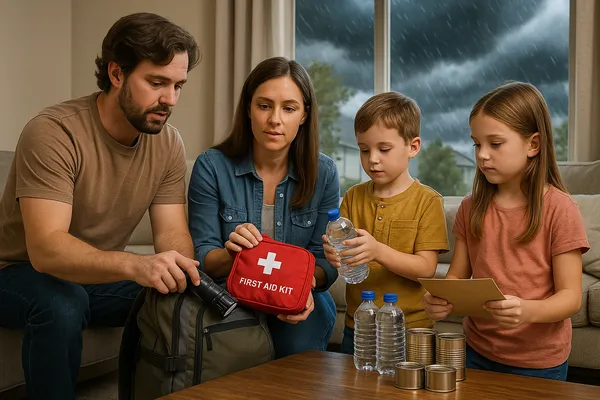
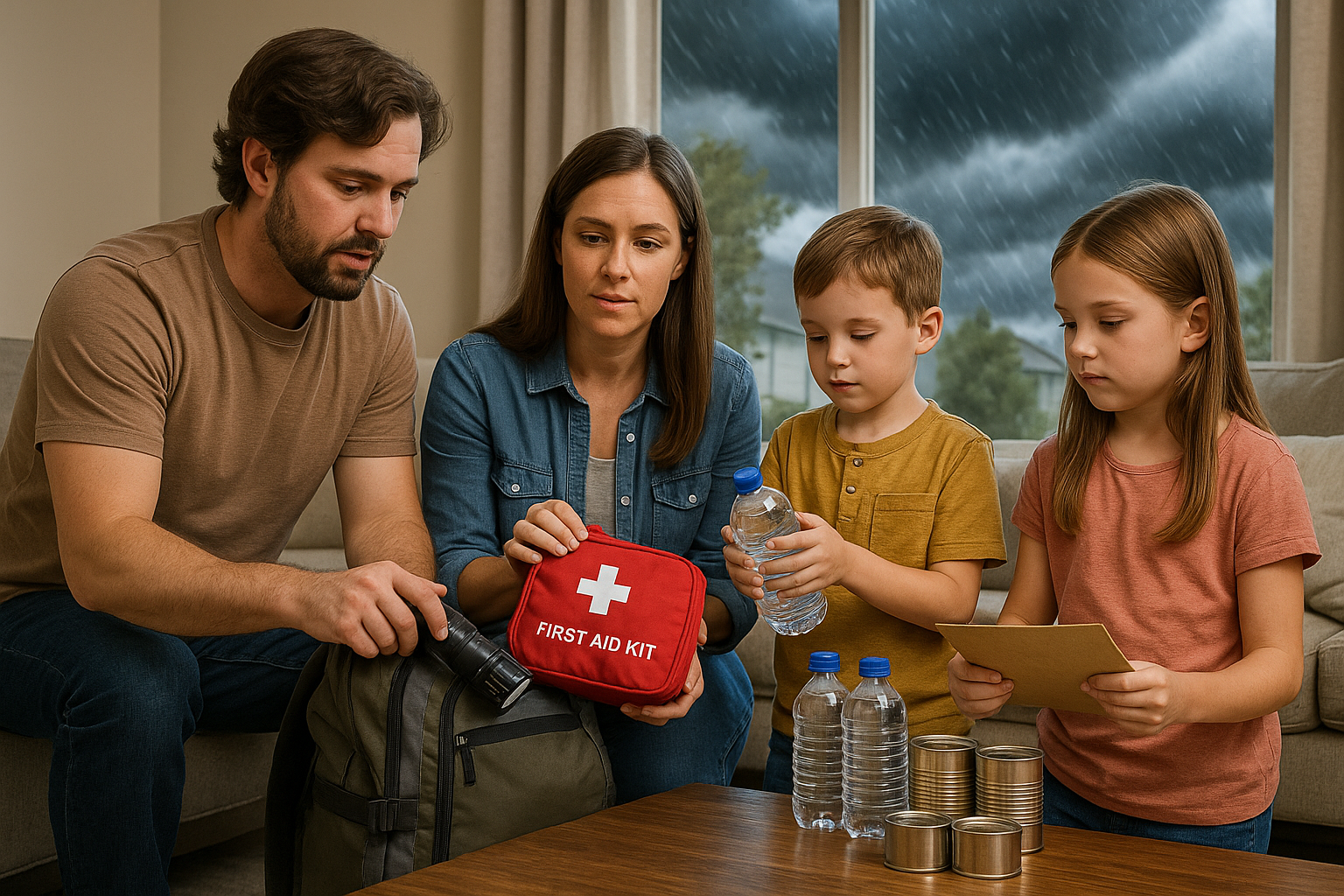
A 72-hour kit should include prescriptions, printed identification, a charged power bank, pet supplies, cash, and basic first-aid items, stored in a clearly labeled bag near the main exit. Keep the list visible and rehearse it so each person can complete tasks quickly under pressure.
Keeping Everyone Connected During Evacuation
Set up a family communication kit with a shared contact sheet, messaging groups for text and a low-data app, and wallet-sized cards.
Assign one person at each location to share updates. Prepare short, clear messages such as “Leaving now; ETA 2:30 PM; need fuel” and agree on a code word for emergencies.
Plan meeting points in layers: first the front yard, then a local school parking lot, and as a last choice, a county gathering spot. Choose an out-of-area contact as the first call if local service is down. Pack a laminated contact card, power bank, and offline maps. Check in with the out-of-area contact every couple of hours.
Getting Vehicles Ready for Long Trips in Storm Conditions
Carry a DOT-approved fuel can, tow strap, tire repair kit, full-size spare, jumper cables, and a compact tire inflator. Use apps to locate 24/7 fuel stops and keep a printed backup list. Store fuel upright, keep roof loads light, test the spare in advance, check battery connections, and pack the right roadside tools.
For comfort and safety, bring at least one gallon of water per person per day, snacks, labeled prescription packs, pet food, and a first-aid kit.
Switch drivers every two hours, avoid flooded roads, and monitor road and weather alerts. Mark three fuel stops along the printed route and set reminders.
Protecting Your Home Before You Leave
Install storm shutters or use pre-cut plywood for windows, and reinforce garage doors with bracing. Secure propane tanks, bring outdoor furniture inside, and trim dead branches within 20 feet. Place sandbags at low points to reduce flooding risk.
Document property before leaving. Take photos, keep receipts, and record serial numbers. Create a short video walk-through of each room, opening cabinets and closets to capture contents.
Photograph appliance labels, VINs, and utility meters. Store copies in the cloud and send backups to a trusted contact for safekeeping.
Finding Temporary Shelter That Works for Your Family
Check pet policies, service-animal rules, and ADA accessibility before booking lodging. Confirm hotel details such as pet weight limits, fees, crate requirements, vaccination rules, in-room refrigerators for medication, and backup power availability.
Record names, addresses, and phone numbers in a notebook or printed sheet for quick reference.
For shelters, review nonprofit, faith-based, and city-run options. Sign up for special-needs registries if required, and bring a doctor’s note if powered medical devices or mobility assistance are needed. Reserve refundable hotel rooms when possible, and keep booking details with travel documents for quick access during an evacuation.
Being ready can turn an evacuation from chaotic to controlled. Clear routes, packed go-bags, reliable communication, and a secure home reduce risks and ease stress.
Checking the vehicle, arranging lodging, and assigning responsibilities ahead of time streamlines departure. Practice drills prepare each person to act quickly, while keeping supplies in one place saves precious minutes.
Follow trusted weather and emergency updates, adjusting plans as conditions shift. Early, organized action protects loved ones, speeds travel, and reduces confusion. With preparation in place, focus can remain on safety and recovery, giving your family a stronger position to handle the challenges ahead.