
Travelling through Southern Europe is never just about moving from one city to another — it’s about the way the journey itself becomes part of the story. Italy and Portugal are countries that seem to speak to your senses at every turn. In Italy, theatrical energy radiates from piazzas and palaces, while Portugal charms more quietly, with sunlit tiles gleaming on building façades and the haunting sound of Fado echoing down narrow lanes.

Together, they invite you to slow down, to notice, and to let every train ride and every stroll fill you with memories that linger long after you’ve gone.
And you don’t need a car to uncover their wonders. Railways wind seamlessly between capitals, coastlines, and quiet towns, offering views you couldn’t get from behind the wheel.
Italy: Beauty in Every Glance
Milan greets you with a mix of past and present. Tilt your head skyward and the Duomo’s spires climb dramatically into the sky, carved with painstaking detail, while only streets away, gleaming towers of glass showcase the city’s modern ambition. Life here moves quickly, but there are moments to pause: the rich aroma of coffee as you step into a café, the chatter of locals lingering over aperitivi at golden hour.
Then comes the train ride eastward. On the Milan to Venice train, the scenery changes like scenes in a film — clusters of red-roofed houses, vineyards glowing in the sunlight, wide stretches of water shimmering as you approach the Venetian lagoon. And then suddenly, there it is: Venice, rising from the water, a city that looks too delicate, too improbable, to be real.
Walking Venice’s narrow alleys, you cross stone bridges where gondolas drift lazily below. The city carries a faint tang of brine mixed with centuries of stone, a scent as much a part of the place as the bells that ring across the lagoon. Sunlight bounces off the canals in glittering ripples, and you realise this isn’t just sightseeing — it’s stepping into a living work of art.
Florence and Rome: Cities of Spirit and Stone
Florence feels like the heartbeat of the Renaissance. You wander its streets and every corner holds beauty: frescoes glimpsed through church doors, artisans chiselling marble, bakers dusting loaves with flour before sliding them into ovens. The Duomo dominates the skyline, but when you stand beneath it, it’s the details — the green, white, and pink marble, the smell of wax candles from the interior — that move you.
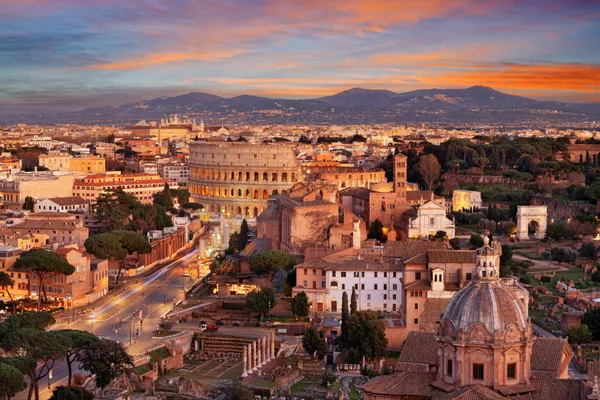
Rome, on the other hand, hits you with energy the moment you arrive. Traffic whirls, fountains splash, voices rise in every piazza. You pass the Colosseum, its ancient arches glowing gold at sunset, and it feels almost alive with memory. Around the corner, you taste gelato that melts quicker than you can eat it, or stumble into a trattoria where pasta is tossed steaming straight from the pan. Rome overwhelms, delights, and surprises you, often all at once.
Portugal: A Softer Kind of Magic
If Italy shouts, Portugal sings softly. Porto greets you with riverside calm, its houses tiled in patterns of blue and yellow that catch the afternoon light. The air smells faintly of wine and the Douro River glitters beneath the iron arches of the Dom Luís I Bridge. Step into a cellar and the sweet scent of oak barrels lingers as port wine ages in the cool dark.
The Porto to Lisbon train takes you south through sweeping valleys and sunlit plains, a shifting panorama that mirrors Portugal’s character — timeless yet ever-changing.
Lisbon is different — bright, hilly, and full of life. Trams rattle up steep streets, washing lines sway from balconies, and the air carries the salty tang of the Atlantic. From hilltop miradouros, you watch the sun fall across terracotta rooftops, while at night Fado singers fill tavernas with music so raw and emotional it clings to you long after the last note fades.
Beyond the Famous
The capitals dazzle, but the quieter corners often hold the deepest memories. In Italy, Siena buzzes with medieval spirit, its great piazza pulsing with energy during the centuries-old Palio horse race. Verona tells stories of star-crossed lovers, while the Amalfi Coast unfurls with cliffside villages tumbling into turquoise seas. Cinque Terre feels like stumbling upon a well-kept secret — pastel houses stacked against cliffs, fishing boats rocking gently in tiny harbours, and the air alive with the scent of citrus groves and sea spray.
In Portugal, Coimbra balances student laughter with centuries of learning in its ancient university. Évora has a timeless quality, where Roman columns stand beside whitewashed streets and history feels folded into everyday life. Further south, the Algarve is wild and dramatic — waves pound against golden sands, cliffs rise rugged and steep, and the ocean’s rhythm feels as endless as the horizon itself.
The Joy of the Journey
Travelling by train lets you see more than destinations; it lets you see lives unfolding. You catch glimpses of farmers working in vineyards, fishermen repairing nets by rivers, children waving as the train passes their village. In Italy, the sunlight flickers across olive groves and vineyards heavy with grapes. In Portugal, it glows across fields dotted with cork trees and stretches of wild coastline.
There’s no stress about driving or parking. Instead, you sit back with a book, sip local wine, or simply let your mind wander as the countryside streams past your window. The journeys themselves become stories: the hush of a carriage as everyone looks out at Mount Etna in the distance, or the quiet murmur of conversation as the train slows into Lisbon at sunset.
Conclusion: The Memories That Linger
Travelling through Italy and Portugal by rail shows you that the magic lies not only in the places you visit but in the way you move between them. The journeys connect you — to landscapes, to people, to fleeting details you might otherwise miss.
You’ll remember the blaze of colour over Venice’s lagoon, the weight of history in Rome’s stones, and the smell of bread in a Florentine bakery. You’ll recall the calm of Porto’s riverfront, the glow of Lisbon’s rooftops at dusk, and the roar of the Atlantic against Algarve cliffs. These are moments that linger not as postcards, but as feelings stitched into memory.
Car-free travel slows you down. It invites you to notice: the call of market vendors as you step out of a station, the laughter echoing through a side street, the way a countryside view makes you pause mid-thought. Italy thrills with its grandeur, Portugal soothes with its warmth, and together they create a journey that is unforgettable precisely because you let it unfold without hurry.
And perhaps that is the greatest treasure of all: the understanding that travel isn’t just about ticking landmarks from a list, but about being present. About tasting the food, hearing the music, watching the landscapes blur by, and feeling your heart open a little wider with each stop. Because the best journeys aren’t only measured in miles — they’re measured in the stories and sensations you carry home with you, long after the trains have reached their final station.