
When the Unexpected Happens: How to Handle Family Life After a Car Accident
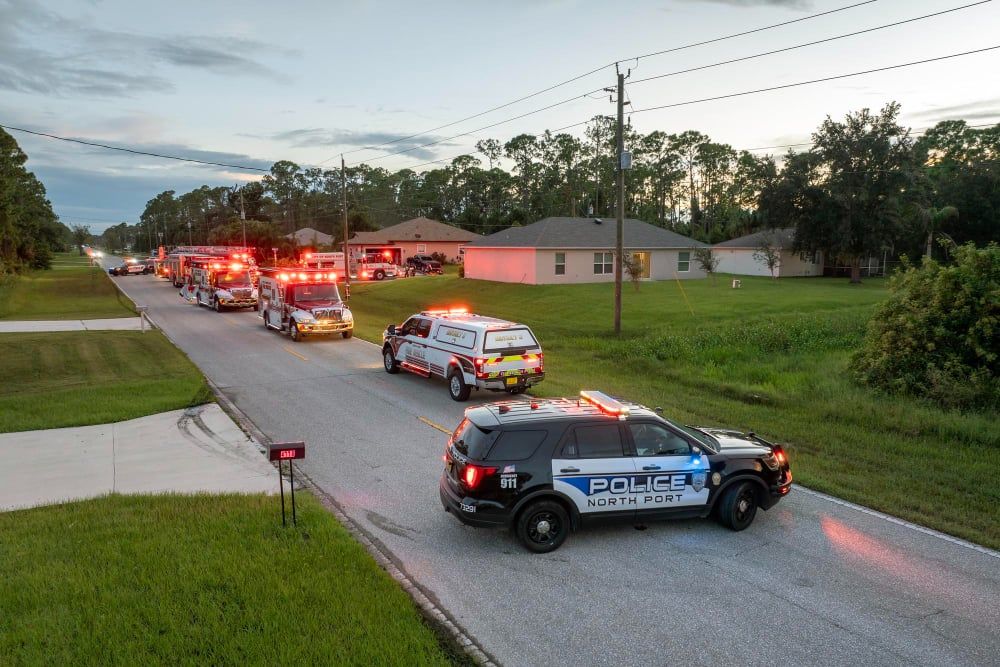
When a car accident disrupts family life, the immediate focus often centers on physical health and legal matters. Addressing injuries and contacting a car accident attorney to understand legal rights are critical first steps. Recognizing the need to balance medical care, emotional support, and legal action helps families regain control in a chaotic situation.
The aftermath of a crash can bring confusion, fear, and financial strain, making clear communication and practical planning essential. Families must prioritize open conversations about each member’s feelings and needs while working together to navigate insurance claims and recovery processes. This approach ensures that no aspect, from emotional healing to legal responsibilities, is overlooked.
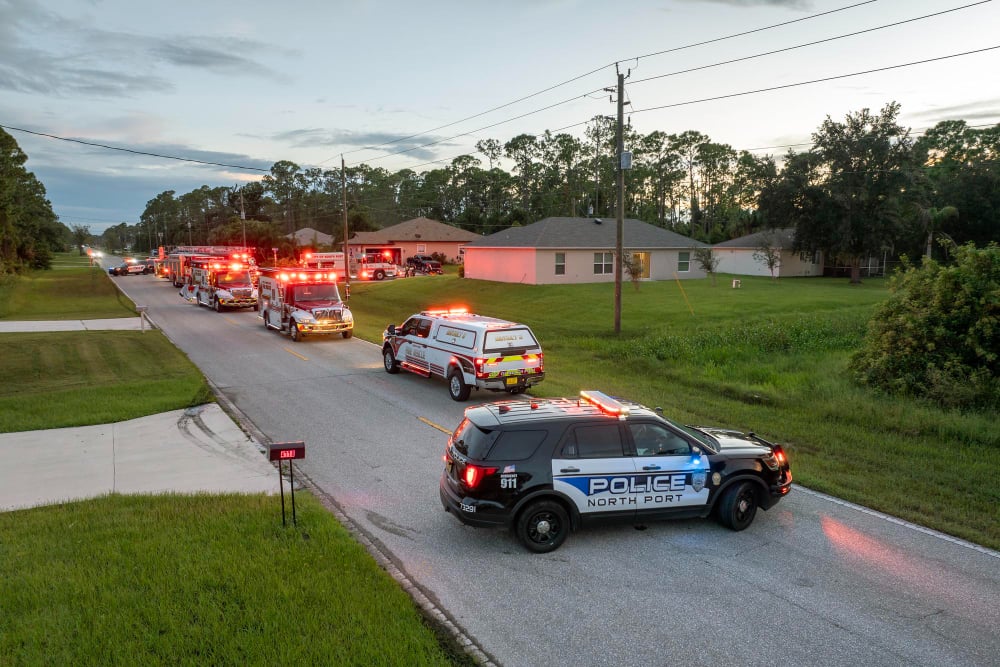
Handling the unexpected requires resilience and a strong support system. Having knowledgeable professionals, including a car accident attorney, involved early can ease burdens and guide the family through complexities. Taking coordinated steps toward health, safety, and legal clarity forms the foundation for rebuilding after a traumatic event.
Immediate Steps After a Car Accident
After a car accident involving family members, quick, clear actions are crucial. Prioritizing safety, collecting accurate information, and understanding legal and insurance processes help protect everyone involved and support recovery.
Ensuring Safety and Contacting Emergency Responders
The priority after a car accident is ensuring everyone's safety. Move to a safe location if possible, but avoid leaving the scene unless directed by emergency responders. Check for injuries among all passengers and call 911 immediately if medical help is needed.
Emergency responders will secure the scene and provide necessary medical care. It’s important to follow their instructions and avoid moving seriously injured persons unless there’s immediate danger. If the accident involves a hit-and-run or unsafe conditions, notify emergency responders right away.
Maintaining calm and keeping children safe and comforted during this time can reduce panic. Use warning signals like hazard lights or road flares to alert other drivers and prevent further collisions.
Gathering Evidence and Documenting the Incident
Collecting evidence at the scene is critical for insurance and legal purposes. Take clear photos or videos of vehicle damage, license plates, road conditions, traffic signs, and any visible injuries. A dashcam can provide valuable real-time footage.
Exchange contact information, driver’s license numbers, insurance details, and vehicle registration with all drivers involved, including the at-fault party if identifiable. Also, note witness names and phone numbers.
Write down details about how the accident happened while they are fresh. Avoid admitting fault or making accusatory statements. This documented evidence supports insurance claims and any future legal action.
Dealing With Police Reports and Legal Procedures
Reporting the accident to the police is often required, especially if injuries or significant property damage occur. Request a copy of the police report, as it is an official record widely used by insurance companies and courts.
The police report will include officer observations, statements from involved parties, and initial findings about fault. Review the report carefully and notify the police if you believe important facts were omitted.
Seeking legal advice may be necessary if fault is contested or if there are complications with an uninsured or underinsured motorist. Early consultation with a lawyer can help protect your rights and navigate complex legal issues.
Understanding Insurance Claims and Filing a Claim
Contact the insurance company promptly after the accident to start the claims process. Provide accurate information and submit evidence collected at the scene to support the claim.
If another driver is at fault, their insurance should cover damages. In cases involving uninsured or underinsured motorists, policies with such coverage become essential. Familiarize yourself with your insurance policy’s terms to know your rights and obligations.
Keep detailed records of all communications with insurance companies. Respond to requests for additional information quickly to avoid delays. Filing multiple claims—for medical expenses, vehicle repair, or rental cars—may be necessary.
Understanding each insurer’s process helps families avoid pitfalls and secure proper compensation.
Coping With Family Life and Recovery After a Car Accident
Recovery from a car accident involves managing physical injuries, emotional challenges, and financial pressures. Each family member may face unique hurdles, requiring coordinated efforts to handle medical care, emotional support, lost income, and rebuilding daily life.
Addressing Injuries and Managing Medical Bills
Physical injuries from a car accident need prompt and ongoing medical attention. Families should prioritize following prescribed treatments and attending all medical appointments to avoid complications.
Medical bills often mount quickly. Keeping detailed records of medical expenses and treatments is critical. Exploring options like health insurance, workers’ compensation (if applicable), or personal injury claims can help offset costs.
Clear communication with healthcare providers about payment plans or financial assistance programs can reduce stress. Families should also be aware of deadlines for submitting bills and insurance claims to avoid denied payments.
Handling the Emotional Toll and Seeking Counseling
The emotional impact of a car accident can be significant, including anxiety, irritability, or symptoms of post-traumatic stress. Recognizing these signs early allows families to seek support before issues worsen.
Professional counseling or therapy offers a structured environment to process trauma and build coping skills. Family therapy can improve communication among members struggling after the event.
Encouraging open dialogue and normalizing emotional reactions help family members feel supported. Accessing community mental health resources may be an affordable alternative when private counseling is cost-prohibitive.
Dealing With Lost Wages and Financial Strain
Lost wages due to injury or time off work add a financial burden. Families must document missed workdays and income loss for claims involving insurance or workers’ compensation.
Budgeting becomes essential to manage ongoing expenses while income is reduced. Prioritizing essential bills and negotiating with creditors can prevent further financial damage.
Seeking legal advice is advisable when navigating claims for lost income, especially if fault or liability is disputed. Some employers offer disability benefits, which should be explored promptly.
Building Resilience Through Community and Support Systems
Community support provides practical help and emotional comfort. This can include assistance with childcare, meals, or transportation during medical appointments.
Support groups, either in-person or online, connect families with others facing similar challenges. Sharing experiences and advice strengthens resilience.
Strong social networks reduce isolation and promote healing. Encouraging family members to engage in social activities when ready helps restore a sense of normalcy and hope.