
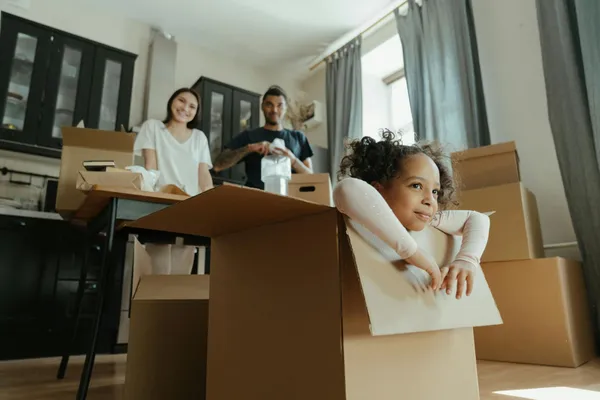
Moving with a family is more than packing boxes and loading a truck. It involves routines, emotions, schedules, and a long to-do list. When you’re managing the needs of kids, pets, and daily responsibilities, even a local move can feel overwhelming.
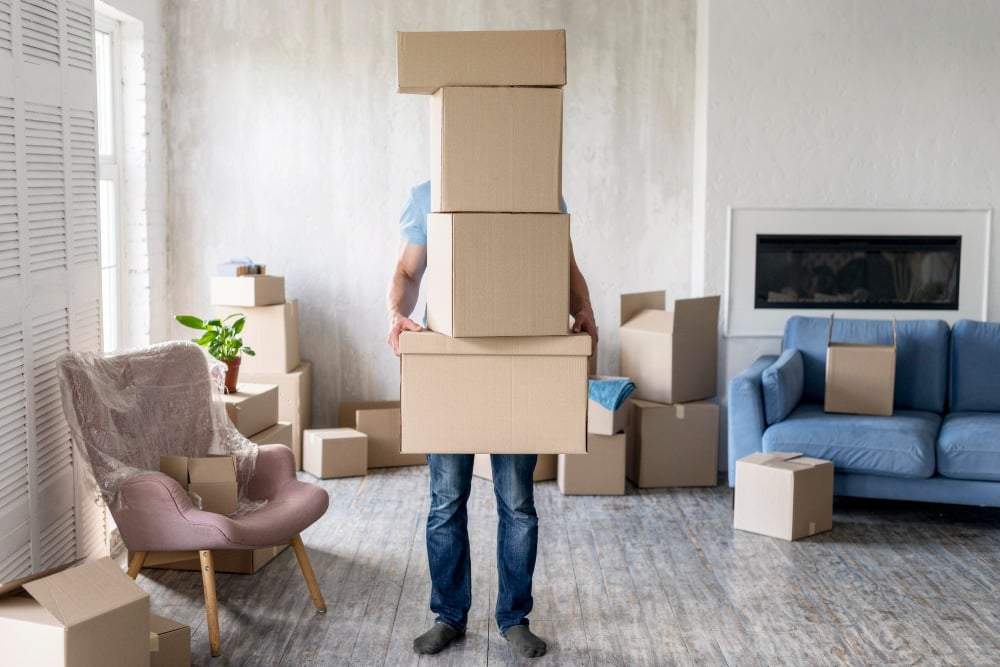
In Memphis, TN, families face their own set of moving challenges. The weather can be unpredictable, and school schedules don’t always line up with ideal moving dates. Add in work, daycare, and community obligations, and the pressure starts to build.
A smoother move starts well before moving day and continues after the last box is in the house. It helps to look at the process in phases — planning ahead, packing smart, and easing into your new space. With a little prep, you can keep your move under control and your family more at ease.
Before the Move: Get Organized and Build Your Timeline
The earlier you start planning, the better. Begin with a simple checklist. Focus on what needs to happen now, what can wait, and what requires outside help. Transfer medical records, gather school documents, and let your utility companies know your move date. If you’re switching schools, check enrollment requirements and deadlines. This part takes time, so give yourself space to work through the list a little each day.
If you’re moving during the warmer months in Memphis, book services in advance. Movers, cleaning crews, and utility setups tend to fill up fast in spring and summer. It’s also smart to give your family a rough timeline. Knowing what’s coming helps everyone feel more involved and prepared.
To make the process easier and avoid last-minute stress, many families turn to professional movers in Memphis who can handle the heavy lifting and logistics while you focus on your kids and schedule. Reliable movers can make a huge difference in how smoothly the day goes. With that major task covered, you have more time to stay present and manage the personal side of the move.
Set aside a few hours each weekend to go through one room at a time. Sort your things into categories — keep, donate, toss. You’ll be surprised how much you can clear out. Letting go of what you don’t use gives you less to pack and more room to breathe in your new place.
Before the Move: Pack with Purpose
Once you’ve decluttered, packing gets easier. Start with what you use the least — holiday items, off-season clothes, backup linens. Label boxes clearly by room and note what’s inside. Use colored tape or stickers if that helps your kids recognize their own things.
Make a “first night” bag for each family member. Pack pajamas, clean clothes, toothbrushes, snacks, and anything they’ll want right away. For younger kids, include a favorite toy or bedtime book. Keep those bags with you instead of on the truck.
Important documents, medications, chargers, and school supplies should also stay separate. These are things you don’t want to search for when you’re tired and surrounded by boxes.
Older kids can help pack their own rooms. Let them choose what to pack first and where things go. It helps them feel part of the move instead of just along for the ride.
After the Move: Settle In With a Flexible Plan
Unpacking everything on day one isn’t realistic, and it’s not necessary. Focus first on getting the most-used areas of your home functional. For most families, that means the kitchen, bathrooms, and kids’ rooms.
Start with the children’s spaces. Set up their beds, hang a few familiar items, and unpack their clothes and toys. Giving kids a sense of comfort early on helps them settle faster. It also creates a safe space they can retreat to when the rest of the house feels unfamiliar.
Stick with your usual routines as much as possible. Bedtime, meal schedules, and morning habits help bring back a feeling of normal life. If things get off track, that’s okay. The goal is to ease into the new environment without rushing.
As you begin to unpack other areas, don’t feel pressured to make every room perfect. Go one room at a time. Start with what your family needs most and move at a pace that feels manageable.
After the Move: Explore Your New Community
Once the basics are unpacked, get outside and see what’s around. Exploring the new neighborhood helps kids and adults feel more connected and comfortable.
Begin with nearby parks, walking trails, or playgrounds. If your kids are school-aged, find the route to school and visit it together before the first day. Look for places your family enjoys, like pizza spots, libraries, or community centers. Familiar activities in a new space help make the transition easier.
If you feel up to it, introduce yourself to neighbors. A short hello goes a long way. You don’t have to become best friends, but building casual connections makes your block feel more welcoming.
Look into local groups or events. Whether it’s a parent meet-up, a volunteer opportunity, or a sports program, finding a small way to get involved brings routine and purpose to your new setting. It also helps kids build friendships outside of school.
After the Move: Stay Organized and Tidy
Now that you’ve started to settle in, it’s time to stay ahead of the clutter. Unpacking doesn’t stop after the first few days; it can stretch out if you don’t stay on top of it.
As you open boxes, set up storage that works for how your family lives now, not how things were before. Use baskets, bins, and shelves that keep items easy to reach and easy to put away. Labeling can also help kids know where things go.
Be honest about what fits in the new space. If something doesn’t work or doesn’t get used, donate it right away. Hanging on to too much stuff slows down the process and crowds the home.
Keep a running list of follow-up tasks, such as changing addresses with the DMV, setting up recycling, or finding a new pediatrician. Tackling one or two items a week helps avoid that post-move fog and keeps everything moving forward.
A big family move doesn’t happen in one day. It’s a series of steps — before and after — that take time and patience. With a plan that fits your family’s pace and priorities, you can create a smoother transition. Every task you complete gets you closer to feeling settled, comfortable, and at home in your new space.