

Accidents can happen in the blink of an eye, whether it’s a fender bender in a crowded parking lot or a sideswipe on the way to school drop-off. No matter how it happens, seeing your car beaten up can leave you feeling overwhelmed.

Most people know they’ll need to visit a body shop, but very few actually understand what goes on behind the closed garage doors. Knowing what happens once you hand over your keys can take away some of that stress. Here’s a closer look at the journey so you know exactly what to expect.
The Initial Assessment
The process kicks off when you bring your vehicle into a body shop. A technician inspects the damage, takes photos, and prepares an estimate. This usually includes the cost of replacement parts, labor, paint, and any necessary structural work.
If insurance is involved, there will be an extra step. An adjuster often reviews the shop’s report to confirm what is covered. Insurance companies often sign off before repairs can move forward. This step is all about setting expectations and ensuring there are no surprises later.
Disassembly and Hidden Damage
Once the paperwork is out of the way, the real work begins. The car is carefully disassembled to expose any hidden damage that may not have been visible during the initial assessment. Discovering these problems early prevents future headaches and ensures the repair is done right the first time. Here are some of the steps explained:
- Technicians remove panels, bumpers, and trim to expose the frame.
- They photograph hidden damage and add it to the repair plan.
- The shop contacts the insurance provider for additional approvals when needed.
Structural and Mechanical Repairs
This stage is where the heavy lifting happens. Technicians use advanced machinery to straighten bent frames, repair dents, and replace damaged panels. Specialized tools measure everything down to the millimeter to ensure the structure meets factory standards.
When mechanical systems like suspension, sensors, or wiring are damaged, technicians repair or replace them. It may seem complicated, but the repair process really comes down to a few clear steps carried out by professionals:
- Technicians align frames with laser technology
- They repair or replace panels to restore shape
- They test and fix mechanical components to ensure everything works as it should
Painting and Finishing
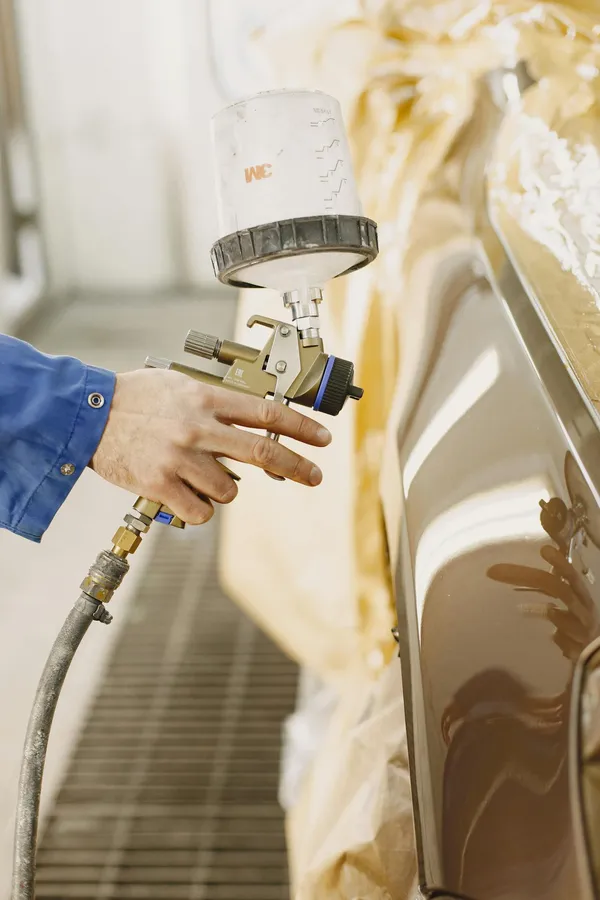
After taking on structural issues, technicians restore the car’s appearance. They sand down the repaired areas, apply primer, and carefully match the paint to the car’s exact color. Many modern shops use computer systems to blend shades so the repaired section looks identical to the rest of the vehicle. To finish, they apply a clear coat to add shine and protect the paint from weather and scratches.
Reassembly and Quality Check
After painting, technicians reassemble the vehicle piece by piece. They reinstall lights, trim, mirrors, and any removed internal components. Once everything is back in place, they conduct a quality inspection to ensure everything is in place. They will check for proper alignment, test safety features, and ensure all systems work as they should. Finally, they clean and polish the car before returning it to you.
Endnote
Auto body repairs are more than fixing dents or scratches. Each step restores safety, performance, and appearance. By the time the keys are back in your hand, you can drive away with confidence, knowing your car is truly road-ready.
- Understanding brain injuries: Causes, effects, and pathways to recovery
- How To Take Care Of A Home's Air Conditioning System
- Maximizing Space and Efficiency: Packing Strategies for a Smooth Move
- AC Repair: Dallas, TX Guide for Estimating the AC Repairing Cost
- How to Maintain Your Scooter’s Tires for Maximum Safety and Durability