

Finding out you're pregnant is exciting, but maybe a little overwhelming. The first prenatal visit can ease some of the anxiety. It sets the stage for the care you'll get throughout your pregnancy. Typically, this appointment happens between six and ten weeks after your last period.

It’s a packed visit, but each part has a purpose. Here’s what you can expect and how to make the most of it.
What to Expect Before You Arrive
Before your appointment, your provider’s office might ask a few things. You may need to confirm the date of your last period, describe any symptoms you've noticed, and list current medications. Bring your ID, insurance information, and any referral if needed.
It also helps to jot down your questions ahead of time. First visits move quickly, and it’s easy to forget what you meant to ask.
When both parents attend the appointment together, it sets a supportive tone from the start. Asking questions, taking notes, and offering reassurance help you stay informed and connected. This kind of early involvement makes the experience more meaningful and builds confidence for the road ahead.
Health History and Lifestyle Questions
You’ll start with a conversation. Your provider will ask about your medical history, past pregnancies, chronic conditions, allergies, and even your family’s health. They'll want to know about your partner’s health, too. Everything you share helps shape the care plan moving forward.
Lifestyle habits come up as well, including smoking, alcohol use, diet, and exercise. Be honest. This isn’t about judgment. It’s about protecting your health and your baby’s development during the first trimester, when many critical systems are forming.
If you want added reassurance or specialized insight during the early stages, consider consulting an experienced gynecologist in Singapore or wherever you're located. Many of these experts bring years of background in complex pregnancies, fertility care, and early prenatal support. Their input can complement your regular checkups and help ensure you’re on the right track from the very beginning.
Physical Exam and Vitals
Next comes the physical exam. It usually includes your height, weight, and blood pressure. These serve as baselines. Your provider may also check your thyroid, heart, lungs, and breasts.
A pelvic exam is common, especially if you haven’t had one recently. They may perform a Pap smear to screen for cervical changes. While it can feel a little awkward, it’s quick and important for your health.
Blood and Urine Tests
You'll likely give samples of both blood and urine. The blood test checks for things like blood type, Rh factor, anemia, immunity to rubella, and sexually transmitted infections. It also screens for hepatitis B, HIV, and other concerns that could affect your pregnancy.
Your urine gets tested for signs of infection, protein levels, and sugar. These early screenings catch issues before they become problems.
Your provider may also discuss early genetic screening options. These include noninvasive prenatal testing (NIPT), which checks fetal DNA for certain chromosomal conditions, and carrier screening, which identifies inherited risks from either parent. Both are optional and can offer helpful insight early in pregnancy.
Dating Ultrasound
Depending on your clinic, you may get a dating ultrasound during this visit. It’s often done using a transvaginal probe to get a clear view early in the pregnancy.
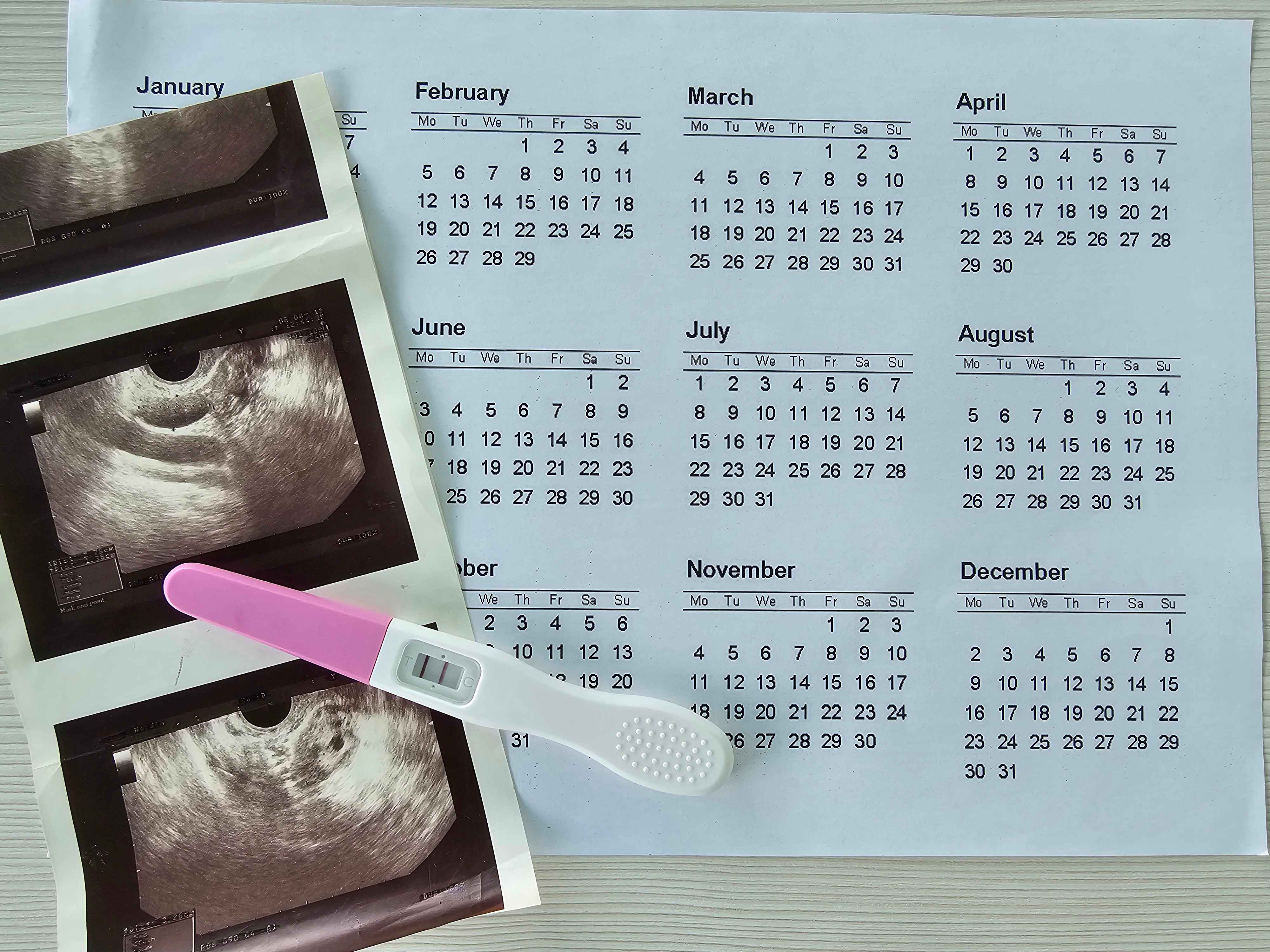
The ultrasound confirms your baby’s heartbeat and helps measure how far along you are. That measurement helps set your official due date. Not all providers do this at the first visit, so ask ahead if you're curious.
Discussing Due Date and Prenatal Schedule
If your due date wasn’t clear before, your provider will calculate it now. They’ll explain how they arrived at the estimate, whether based on your last period or ultrasound measurements.
You’ll also get a general schedule of future appointments. Most happen every four weeks at first, then more often as your pregnancy progresses. They'll walk you through what's next and what to expect at each stage.
Helpful Guidance and What to Avoid
Your provider will probably go over basic pregnancy do's and don’ts. That includes which foods to avoid, what medications to stop or switch, and which vitamins to take. Folic acid is especially important early on, so make sure you’re taking a prenatal vitamin daily.
You can ask about travel plans, exercise routines, or anything else on your mind. No question is too small. This is your time to learn and feel supported.
Building a Relationship With Your Provider
Pregnancy care works best when you trust your provider. That relationship starts now. If anything feels off or confusing, speak up. The more open you are, the better your care will be.
If you’re not fully comfortable with your provider after the first visit, that’s okay too. You’re allowed to find someone else who feels like a better fit.
Final Thoughts
Your first prenatal visit can feel like a lot, but it's also the beginning of something meaningful. You'll leave with a clearer plan, helpful answers, and the support to move forward with more confidence.
Take what you need, ask what matters, and trust that you're on the right path. You're already laying the groundwork for a healthy, supported pregnancy.