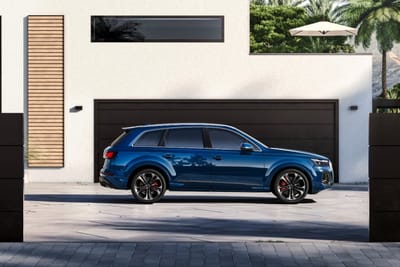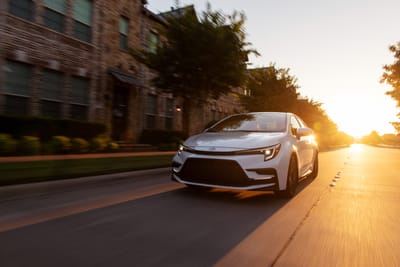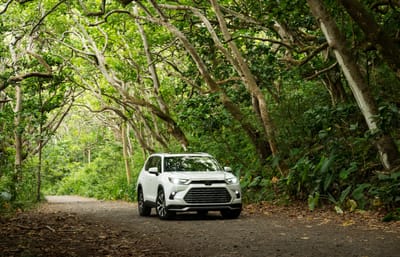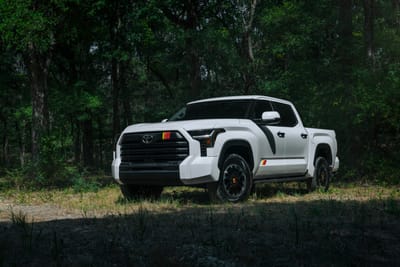

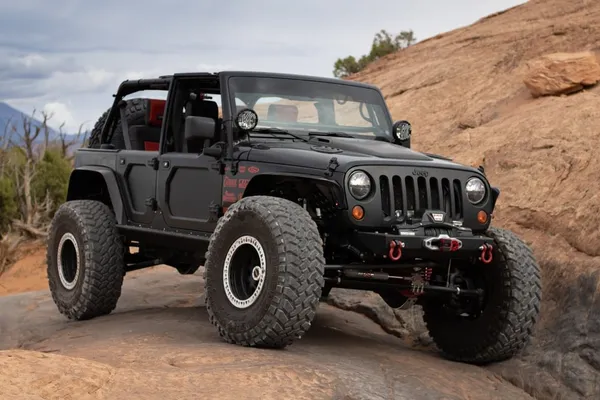
Across highways, city streets, and rugged backroads, one trend stands out—literally. Lifted SUVs and trucks are dominating the automotive scene, combining rugged functionality with undeniable style.
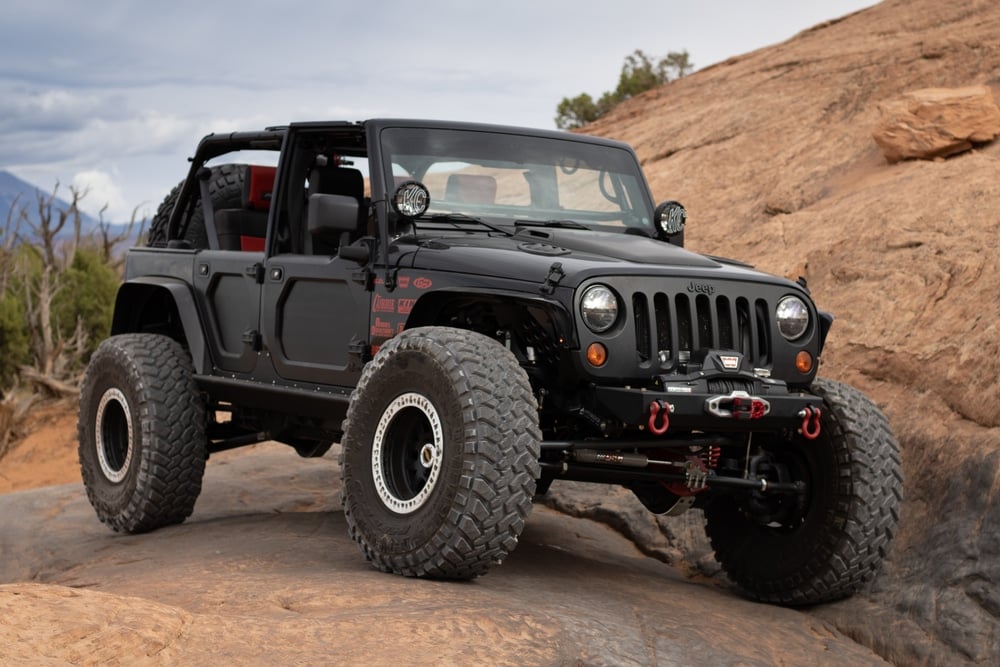
These vehicles are no longer just for off-road enthusiasts or rural dwellers. They’ve entered the mainstream with force, becoming symbols of power, freedom, and personal expression. Whether perched in a supermarket parking lot or charging through the wilderness, lifted vehicles capture attention and stir curiosity.
Their rise is more than a fashion statement; it reflects evolving consumer values, advancements in vehicle engineering, and a growing appetite for adventure.
The Origins of the Lifted Trend
The popularity of lifted trucks and SUVs is rooted in utility. In their early days, lifts were primarily practical upgrades. Ranchers and farmers added suspension lifts to navigate uneven terrain. Military vehicles—especially those built for reconnaissance and transport—were outfitted with larger tires and higher ground clearance to traverse deserts, jungles, and rocky landscapes. Off-road racing soon adopted similar enhancements to tackle natural obstacles at high speeds.
As these modifications proved their worth in extreme conditions, off-road enthusiasts began adopting lift kits for recreational use. The practice eventually transitioned from function to fashion, giving rise to a subculture of vehicle customization that values both performance and aesthetics. Communities formed around lifted vehicles, trading tips, showcasing builds, and celebrating the freedom such rides represent.
Over time, lifted vehicles went from niche to aspirational. The cultural shift is evident in platforms like Ultimate Rides, where enthusiasts explore, review, and showcase the latest trends in lifted trucks and SUVs. What began as a way to gain clearance and crawl over boulders has become a movement that reflects a powerful blend of adventure, identity, and engineering.
Why People Lift: Functionality Meets Freedom
At its core, lifting a vehicle enhances its ability to conquer tough terrain. A higher suspension increases ground clearance, allowing drivers to navigate rocks, mud, snow, and deep water crossings with greater ease. This mechanical upgrade is essential for serious off-roaders, but it’s also useful for people in rural areas or regions prone to harsh weather.
Lifted vehicles also offer an improved driving experience from a visibility standpoint. Sitting higher above the road provides a commanding view of traffic and surroundings, which can contribute to a sense of control and safety.
Beyond practical concerns, lifted trucks and SUVs are often favored for their added utility. Bigger tires and upgraded suspension systems allow for more robust towing, hauling, and load-carrying capabilities, especially important for those who work in construction, farming, or transport. A lifted setup can also support larger wheels and heavier-duty drivetrain components, making the vehicle more versatile.
Aesthetic Appeal and Social Identity
There’s no denying the visual impact of a lifted vehicle. Whether it’s towering over compact cars in traffic or parked at a gas station, a lifted truck commands attention. Its aggressive stance, oversized wheels, and often custom paint or detailing transform it from a simple mode of transport into a statement piece.
For many drivers, lifting a vehicle is about more than mechanics—it’s about identity. The modifications reflect personal taste and lifestyle choices. A lifted Jeep with mud-caked tires says something different than a gloss-black lifted Ram with chrome accents, but both speak volumes about their owners.
Mainstream Momentum: From Niche to Norm
What was once a niche hobby is now a mainstream phenomenon. Auto manufacturers have taken notice, responding with factory-lifted models and off-road-ready trims. Trucks like the Ford Raptor, Chevrolet Colorado ZR2, and Ram TRX come with built-in lift kits, upgraded shocks, and performance tires straight off the lot. Even SUVs like the Jeep Gladiator Mojave and Ford Bronco offer rugged configurations to meet consumer demand.
At the same time, the aftermarket modification industry has exploded. Suspension companies, tire manufacturers, and custom auto shops now cater to both hard-core off-roaders and casual lifestyle users. National auto shows often feature lifted vehicles as centerpieces, and specialized expos draw thousands of fans looking to browse parts, meet influencers, and get inspiration.
Urban Jungle to Backcountry: Versatility Redefined
While lifted trucks and SUVs are traditionally associated with rural areas and wilderness adventures, many are now being spotted in urban environments. City dwellers appreciate the ability to climb curbs, avoid pothole damage, and maintain visibility in heavy traffic. Some opt for lifted rides purely for comfort and control on unpredictable roads.
On the other end of the spectrum, outdoor enthusiasts find that lifted vehicles open doors to a wide range of recreational opportunities. Camping, fishing, rock crawling, and overlanding all benefit from increased clearance and more capable suspension. Overlanding—extended, self-reliant travel over remote terrain—has become especially popular, and lifted vehicles are at the heart of this movement.
Conclusion
The rise of lifted SUVs and trucks reflects something much deeper than a passing automotive fad. These vehicles symbolize confidence, capability, and a drive to break from the ordinary. Whether chosen for off-road power, city resilience, or pure style, they speak to the values of exploration and individuality. From the dusty trails of the backcountry to the smooth asphalt of the suburbs, lifted vehicles are here to stay.
As technology, customization, and cultural appreciation continue to evolve, so too will these ultimate rides—climbing ever higher, on the roads and in the hearts of their drivers.