
Playtime is so much more than just fun—it’s a chance for kids to learn, grow, and explore the world around them. Ride-on toys, from tricycles to little cars, aren’t just cute gadgets; they can be amazing tools that help children develop important skills while having a blast.
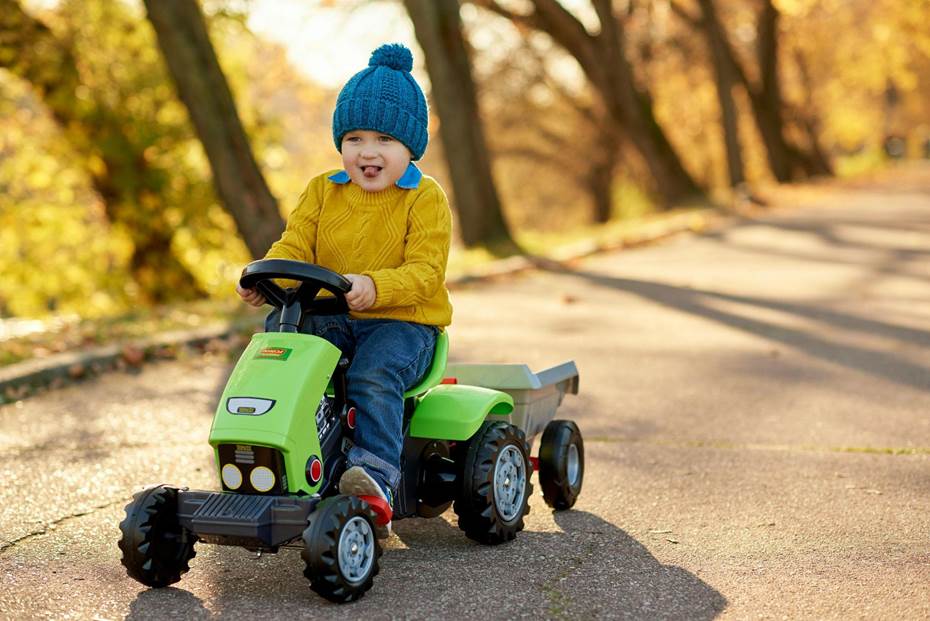
As parents, it’s easy to underestimate how much these simple toys can do. But ride-ons do far more than just keep kids entertained—they help build strength, improve balance, spark curiosity, and even encourage a sense of independence. Whether it’s mastering the art of steering or learning about safety, these toys quietly support your child’s development every time they hop on.
Let’s take a closer look at why these crazy fun toys are such fantastic companions on your child’s journey of growth and discovery.
The Role That Ride-On Toys Can Play In Physical Development
Ride-ons not only provide hours of fun; they can also play an important role in supporting the development of gross and fine motor skills. As children steer, pedal, scoot, stop and start again, they engage large muscle groups in their legs, arms, and core - developing gross motor skills in a way that is both natural and fun.
These dynamic movements lead to stronger muscles and enhanced physical abilities. Whether kids are zooming around on pedal cars or manoeuvring electric ride-on cars, these activities encourage a lively sense of independence.
For fine motor skills, ride-on toys can help develop balance, coordination, and agility. As they grasp handles and steer wheels both inside and outside, they refine their hand-eye coordination and grip strength.
Cognitive Benefits
Ride-on toys aren't just a source of endless fun; they can also challenge kids to engage and develop key cognitive abilities. As they navigate their environments, kids are encouraged to use spatial awareness to steer and manoeuvre around obstacles. They’re challenged to create their own path and make decisions about where to go next, sharpening their decision-making skills and allowing them to engage in realistic problem-solving activities.
Imaginative play also plays an important role in children’s development. Through pretend play, children can further develop problem-solving as well as creative and narrative thinking. Emotionally, it also provides a valuable outlet for children to express and manage their feelings, helping them build self-awareness, empathy and emotional regulation.
Key Benefits:
- Understanding Cause and Effect
- Spatial Awareness
- Enhanced Problem-Solving
- Decision-Making Skills
- Creativity and Narrative Thinking
- Critical Thinking
- Quick Decision-Making
In short, ride-on toys can be incredible tools for nurturing a child’s mind as well as providing hours of fun both inside and outside the home. By incorporating ride-on toys into playtime, parents can support their child’s learning and development in a way that feels exciting and enjoyable every step of the way.
Encourages Independent Play
Ride-on cars are excellent tools for helping children develop their independence because they give kids the freedom to explore and make decisions on their own in a safe, controlled environment. They’re encouraged to take charge of their mini-adventures, boosting their confidence and allowing them to develop a healthy sense of self-reliance.
Key Benefits:
- Exploration: Children learn to navigate their environments, enhancing their decision-making and problem-solving skills.
- Confidence Boost: Successfully mastering a ride-on toy instils a sense of accomplishment and boosts self-esteem.
- Self-Reliance: Kids move these toys under their own power, reinforcing independence in their actions.
Moreover, ride-ons allow children to move at their own pace, choose where to go, and control how fast they travel, fostering a sense of autonomy and personal responsibility. The mastery of these skills provides a tangible sense of achievement, reinforcing their belief in their abilities and encouraging them to take on new challenges.
Engages Sensory Stimulation
Ride-on toys are fantastic for sensory stimulation, offering children a rich, multi-sensory experience that supports their development in fun and engaging ways.
As kids grip the handles, steer, and take in the sights and sounds around them, they’re activating their sense of touch, sight, and hearing all at once. Movement and motion provide important vestibular input, which helps with balance and spatial awareness, as well as proprioceptive input that boosts their understanding of body position and coordination.
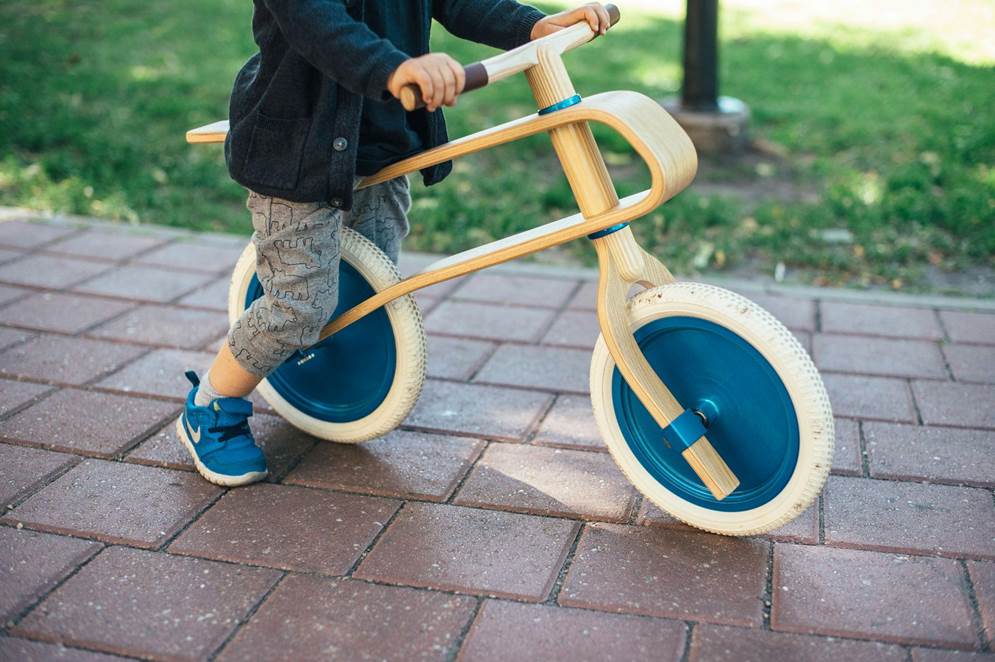
Many ride-on toys also feature bright colours and playful sounds, adding extra layers of sensory engagement. This kind of active, hands-on play not only makes learning enjoyable but also supports key motor skills and sensory processing - benefits that are especially valuable for children with sensory needs.
What Are the Best Types of Ride-On Toys for Children
Choosing the perfect ride-on car for your little one can feel overwhelming with so many options available on the market. From tiny toddlers just starting to explore movement to older kids eager for a more realistic driving experience, there’s a ride-on toy to suit every age and stage.
Understanding the different types of ride-on cars can help you find the right fit that not only keeps your child entertained but also supports their development and safety.
Here’s a quick guide to the most popular kinds of ride-on cars for kids, so you can make an informed choice that will bring joy and confidence to your child’s playtime.
Electric Ride-On Cars: Battery-powered vehicles that often resemble real cars, complete with lights, sounds. Kids' cars can offer a realistic driving experience and usually include safety features like seat belts, multiple speed settings, and parental remote control for added security.
Pedal Ride-On Cars: These require children to pedal and steer, helping develop physical strength, coordination, and balance. Examples include pedal cars, tricycles, and scooters that move as fast as the child can pedal or push.
Push/Pull Ride-Ons: Ideal for babies and toddlers, these toys are propelled by an adult pushing or pulling. They include wagons, toy cars with handles, and baby strollers, helping little ones develop early motor skills and enjoy safe movement.
Rocker Ride-Ons: Stationary toys designed for younger toddlers that rock back and forth. They are great for indoor play and help develop sensory and balance skills.
Animal-Themed Ride-Ons: Designed to spark imaginative play, these ride-ons take the form of animals and encourage creativity alongside physical activity.
Go-Karts and Off-Road Ride-Ons: More advanced electric ride-ons with higher speeds and rugged designs, suitable for older children who enjoy adventurous play. Safety features like seat belts and speed controls are essential here.
Convertible and Multi-Mode Ride-Ons: Some models can switch between push cars and ride-ons or convert from single to double seats, offering versatility and extended use as children grow.
Ride-on toys are so much more than just a source of entertainment—they’re valuable companions in your child’s journey of growth and discovery. From building strength and coordination to sparking creativity, boosting independence, and supporting sensory development, these toys offer a wealth of benefits that go far beyond the joy of play.
As children pedal, steer, and explore, they’re not only having fun but also laying the foundations for essential life skills. So, the next time your child hops into their favourite little car or jeep, you can feel confident knowing they’re learning, growing, and thriving with every adventure.