

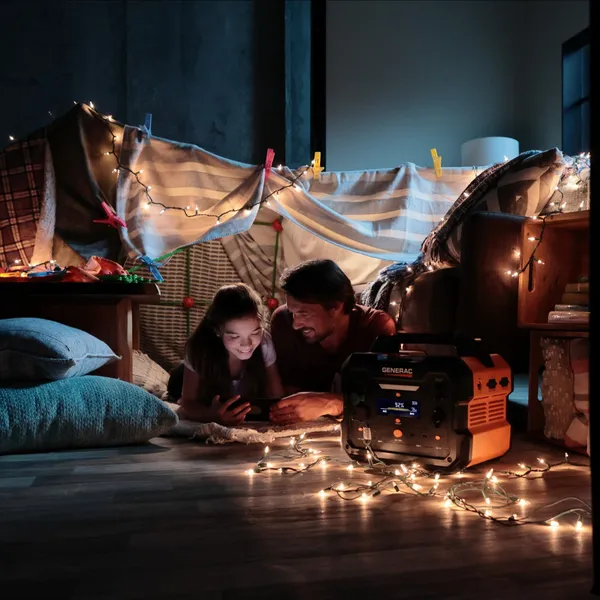
Power outages can strike unexpectedly, yet your preparedness can make all the difference. You need to establish essential electrical safety measures to safeguard your home and loved ones.
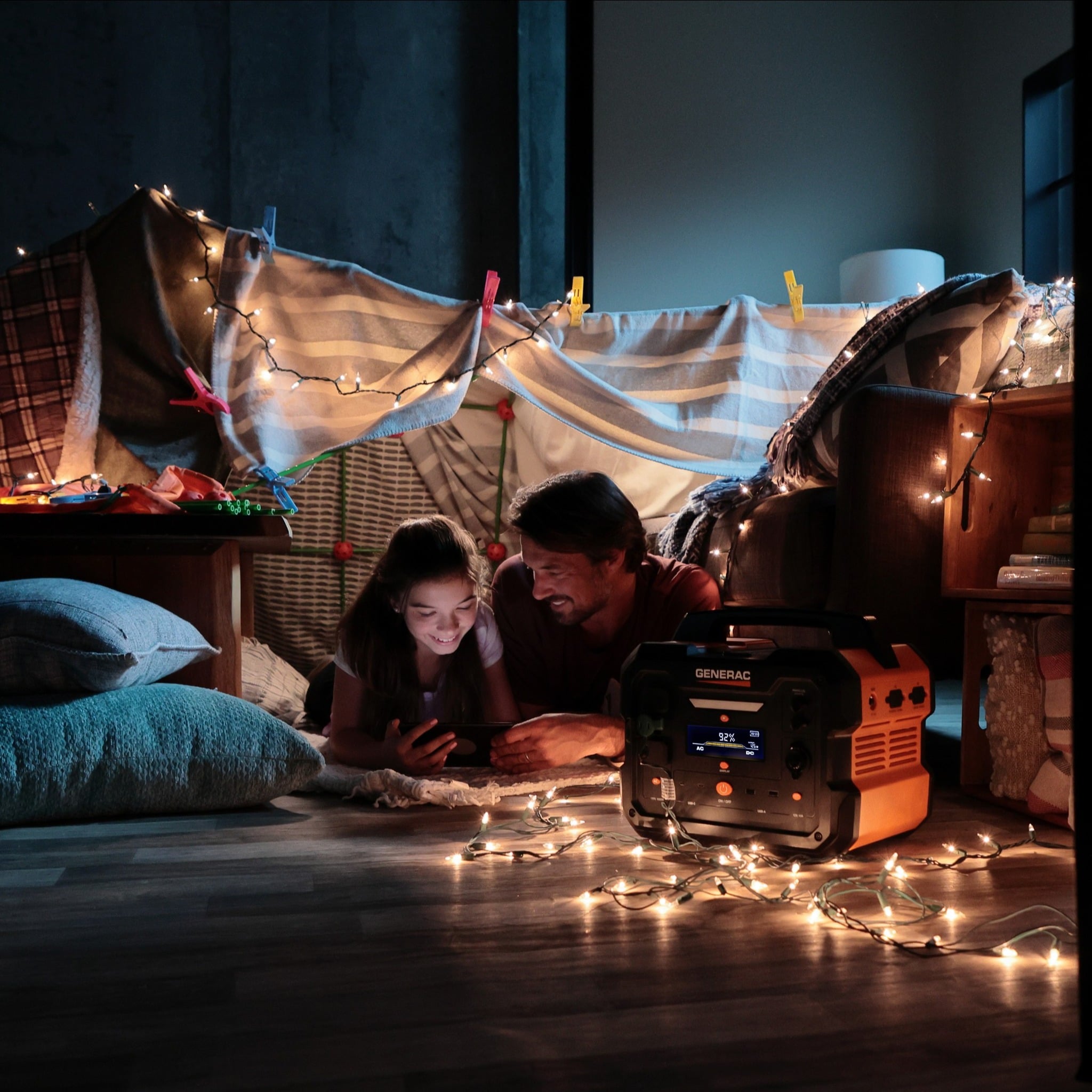
Start by evaluating your electrical system and implementing backup solutions with the help of a Las Vegas electrical company you can rely on, but what about the supplies you might overlook? An effective emergency plan requires more than just a flashlight and batteries; it's about ensuring your entire household knows how to respond. As you think about these critical steps, consider how to navigate potential hazards and maintain safety during an outage.
Understanding Power Outages
Power outages can occur unexpectedly and can be caused by various factors, including severe weather, equipment failures, or maintenance work. Understanding these causes is essential for effective preparation. Severe weather, such as storms or heavy snowfall, can damage power lines or substations, leading to widespread outages.
Equipment failures might stem from aging infrastructure, which can compromise the reliability of the electrical grid. Regular maintenance work, while necessary for system reliability, can also temporarily interrupt service.
When a power outage occurs, the duration can vary considerably. Some outages may last only a few minutes, while others can extend for hours or even days. You should always stay informed about potential outages by monitoring local news or utility company updates, as this helps you make timely decisions.
Additionally, knowing how to report an outage is important. Familiarize yourself with your utility provider's contact information and reporting procedures.
In preparation, consider keeping emergency supplies readily accessible, such as flashlights, batteries, and non-perishable food.
Importance of Electrical Safety
Electrical safety is fundamental during power outages, as the risks associated with sudden loss of electricity can lead to dangerous situations.
When power is restored, fluctuations can occur, causing electrical surges that may damage appliances or pose fire hazards. It's critical to guarantee your electrical systems and devices are equipped to handle these changes.
You should be aware of the potential dangers of using generators improperly. Always place them outside to prevent carbon monoxide buildup and connect them to your home's electrical system using proper transfer switches. This practice prevents backfeeding into the grid, which can electrocute utility workers.
Additionally, unplugging non-essential devices during an outage protects them from surges when power is restored.
You'll also want to check your smoke detectors and carbon monoxide alarms, as their functionality is essential in emergencies.
Assessing Your Home's Electrical System
Regularly evaluating your home's electrical system is vital for guaranteeing safety during power outages. Start by inspecting your circuit breaker panel. Look for any tripped breakers or signs of wear, such as rust or scorch marks. If you notice any irregularities, it's important to consult a licensed electrician.
Next, examine your outlets and switches. Check for any cracks, discoloration, or signs of overheating. If you find any damaged components, replace them immediately to prevent potential hazards.
Also, verify all outlets, especially those in kitchens and bathrooms, are equipped with Ground Fault Circuit Interrupters (GFCIs) for added protection against electrical shocks.
Review your wiring, particularly in older homes. Outdated wiring may not handle the increased load during a power outage. If your home has aluminum wiring, consider having it assessed, as it can pose serious fire risks.
Lastly, keep an eye on your appliances. Confirm they're in good working condition and unplug them during outages to prevent surges when power returns.
Regular assessments not only enhance safety but also promote a more reliable electrical system, minimizing risks during unexpected power interruptions.
Creating an Emergency Plan
When a power outage occurs, having an emergency plan in place can greatly reduce stress and guarantee safety for you and your family.
Start by identifying a safe gathering location, either inside your home or at a nearby place, where everyone can meet if separated. Be certain everyone knows the address and how to get there.
Next, establish communication methods. Since mobile networks may fail, consider alternative means, such as walkie-talkies or a pre-determined message system. Confirm that everyone has contact information for other family members and emergency services.
Develop a list of essential procedures to follow during an outage. These should include turning off or unplugging appliances to prevent damage when power returns and knowing how to safely use generators.
Discuss safety measures regarding candles, flashlights, and batteries to avoid fire hazards.
Essential Supplies for Outages
During a power outage, having the right supplies on hand can make a significant difference in your comfort and safety.
Being prepared not only helps you manage the situation but also guarantees you stay safe until the power is restored.
Here's a list of essential supplies you should consider:
- Flashlights: Guarantee you have reliable, battery-operated flashlights for illumination.
- Batteries: Stock up on various sizes to power your flashlights and other devices.
- Non-perishable food: Keep a supply of canned goods, granola bars, or other foods that don't require cooking.
- Water: Store at least one gallon of water per person, per day, for at least three days.
- First aid kit: Have a well-stocked first aid kit to address minor injuries.
Having these supplies ready will help you navigate the challenges of a power outage more effectively.
Regularly check and update your stock to guarantee everything is functional and within expiration dates.
This preparation allows you to focus on safety and comfort while waiting for power restoration.
Backup Power Solutions
Backup power solutions are vital for maintaining your comfort and safety during extended power outages. When the grid goes down, having a reliable source of backup power can make a significant difference in your daily life.
One popular option is the standby generator, which automatically activates when it detects a power failure. These systems can power your entire home or specific circuits, depending on your needs.
Portable generators are another viable solution. They're versatile and can power essential appliances, but you'll need to manually connect them and guarantee ventilation to prevent carbon monoxide buildup.
Battery backup systems, including solar-powered options, offer a quieter, maintenance-free alternative, but they generally provide limited power for shorter durations.
Consider the total wattage requirements of your critical devices when selecting a backup power solution. It's important to calculate the starting wattage for appliances like refrigerators and air conditioners, as they require more energy to start than to run.
Safe Use of Generators
Using generators safely is vital to prevent accidents and guarantee efficient operation during power outages. Follow these guidelines to guarantee proper generator use:
- Always place the generator outside and away from windows to prevent carbon monoxide buildup.
- Use heavy-duty extension cords rated for your generator's wattage to connect appliances.
- Never overload the generator; check the wattage requirements of your devices.
- Turn off the generator and let it cool before refueling to avoid fire hazards.
- Regularly maintain your generator according to manufacturer instructions for peak performance.
When using a generator, it's important to understand its limitations and the specific needs of your home.
Avoid connecting the generator directly to your home's electrical system unless you have a transfer switch installed by a licensed electrician. This prevents backfeed, which can be dangerous for utility workers and your home's electrical system.
Additionally, always store fuel in approved containers and keep it out of reach of children.
Preventing Electrical Hazards
Generators can introduce specific risks, making it vital to address broader electrical hazards that may arise during power outages.
First, verify you're using extension cords rated for outdoor use if you need to power devices away from your generator. Using indoor-rated cords can lead to overheating or fire. Always inspect your cords for frays or damage before use, and never overload your circuits, as this can cause electrical fires.
Next, avoid plugging your generator directly into your home's electrical system unless you have a professional-grade transfer switch installed. This step helps prevent back-feeding into the grid, which can endanger utility workers and cause damage to your generator.
If you're using battery-powered devices, verify you maintain them properly. Check batteries regularly for leaks, corrosion, or damage.
Store them in a cool, dry place to maximize their lifespan and performance.
Communicating During Outages
Maintaining effective communication during outages is essential for safety and coordination. When the power goes out, you need reliable methods to stay connected with your household and emergency services.
Here are some key strategies to guarantee you're prepared:
- Use battery-powered devices: Keep a charged power bank or portable charger handy for your mobile phone.
- Establish a communication plan: Decide on a primary contact person outside your area to relay messages if local services fail.
- Utilize two-way radios: These can be invaluable for coordinating with neighbors when cellular networks are down.
- Keep emergency numbers accessible: Write down essential contacts, including utility companies and local emergency services.
- Stay informed through weather apps: Download apps that work offline to receive weather alerts or updates about the outage.
Post-Outage Safety Checks
Once power is restored, it's important to assess your surroundings and guarantee everything is safe before resuming normal activities.
Start by checking all electrical appliances and devices. Unplug any equipment that may have been damaged during the outage, as surges can cause malfunctions. Look for any unusual odors or visible damage, such as frayed wires or burnt outlets.
Next, inspect your circuit breaker or fuse box. If you notice any tripped breakers or blown fuses, reset them carefully. However, if the problem persists, refrain from repeatedly resetting and contact a licensed electrician to address the issue.
Additionally, check smoke detectors and carbon monoxide alarms. Replace batteries if necessary, as these devices are essential for your safety, especially after a power disruption.
Conclusion
By preparing for power outages with proactive precautions, you can protect your home and family from potential perils. Prioritize your electrical safety by regularly inspecting your systems, stockpiling essential supplies, and strategizing communication. When you safely utilize generators and prevent hazards, you create a shield against chaos. Remember, being prepared not only brings peace of mind but also guarantees your safety when the lights go out. Stay vigilant, stay safe, and safeguard your space.