
If your dog barks, growls, or lunges at people or other dogs, they’re not being stubborn. They’re reacting to stress, and they don’t know how to cope.

That’s where training comes in. It gives your dog structure, teaches them what to do instead, and builds real-world confidence over time.
Reactive or aggressive behavior doesn’t fix itself. But with clear guidance, your dog can learn to stay calm, focused, and in control even in tough situations.
In this post, we’ll explain how the right training builds trust, improves behavior, and helps reactive dogs feel safer in the world around them.
What Reactivity and Aggression Mean
Not every bark or growl means your dog is aggressive. Most dogs labeled “aggressive” are reactive. That means they’re overwhelmed and not dangerous.
Reactive dog behavior often shows up as barking, lunging, whining, or pacing. It’s a response to a trigger, another dog, a stranger, a noisy space. The goal? To create distance, not to fight.
Aggression, on the other hand, involves intent to harm. It’s rarer than you think, and often develops when reactivity is ignored or punished.
What Sets Them Off
Common triggers include:
- Sudden approaches from other dogs or people
- New environments or crowded areas
- Changes in routine or territory
- Loud noises or fast movement
Many dogs react not out of dominance, but because they don’t feel safe. They’re uncertain, and they don’t know how to handle what’s in front of them.
Why Punishment Makes It Worse
When a dog growls or barks at a trigger, it’s not being defiant but signaling discomfort. That’s how they let you know something feels wrong.
If you punish that response, the dog learns to stay quiet but not to feel safe. This can lead to bigger problems, like snapping or biting without warning.
Harsh corrections don’t solve the root issue. They just silence the behavior. Real change comes from building trust and teaching better ways to respond.
What They Need
Reactive dogs need calm structure, not corrections. With the right aggressive dog training, you can teach them how to stay grounded even when life feels overwhelming.
It starts with understanding the difference between reactivity and aggression, so you can respond in a way that builds confidence, not confusion.
The Role of Full-Service Training in Changing Behavior
Reactivity and aggression don’t just come out of nowhere. They often build in environments with too many triggers, not enough structure, and well-meaning owners who aren’t sure what to do next.
That’s where full-service dog training changes everything.
These programs remove the confusion for both dog and owner. Instead of reacting to outbursts or guessing how to respond, your dog enters a stable, low-stress space where behavior change becomes possible.
What Full-Service Dog Training Means
- Daily Structure:
Dogs need routine to feel secure. Full-service programs include consistent feeding times, leashed walks, mental breaks, and crate rest. This steady rhythm calms the nervous system and reduces reactivity.
- Trainer-Guided Exposure:
Your dog isn’t thrown into stressful situations. They’re introduced to triggers like other dogs or unfamiliar people in a safe, step-by-step way, always under a trainer’s watchful eye.
- Positive Reinforcement:
Calm behavior is marked and rewarded. This helps your dog learn what’s expected, not just what to avoid. It’s not about “fixing” bad behavior but reinforcing good choices until they become habits.
- Confidence Comes from Repetition
Confidence isn’t built overnight. But with repetition and controlled wins, your dog learns to trust their environment and you.
The more your dog succeeds in handling tough situations calmly, the more they believe they can. Over time, this changes how they react not just in training, but in real-world scenarios at home, at the park, or on walks.
Full-service dog training isn’t a quick fix. It’s a reset. One that helps reactive or aggressive dogs feel safe and act with control.
Why Confidence Training Matters for Any Breed (Including Pitbulls)
Not all dogs start at the same place; some are shy, some are overconfident, some are reactive. But confidence is something all dogs need to feel safe and act appropriately, especially around kids and in new environments.
Take pitbulls, for example.
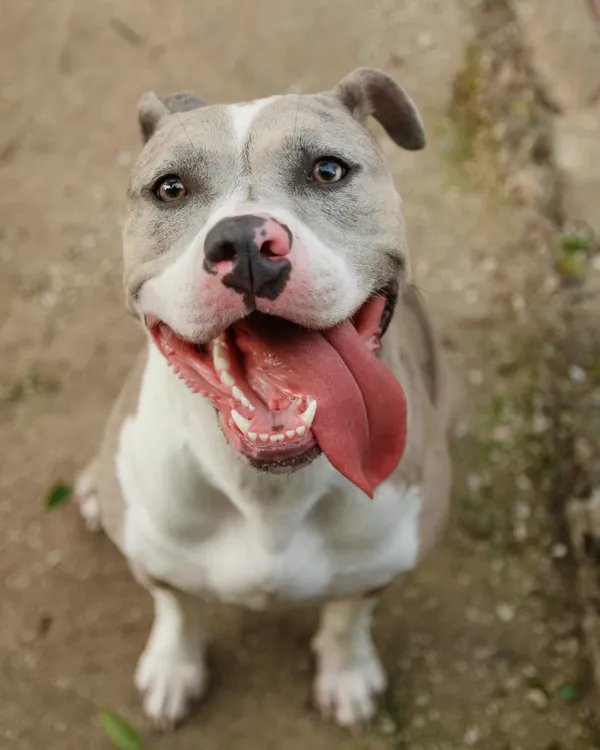
Despite common misconceptions, pitbulls often score high on behavior assessments when they’ve had the right training. They’re a great example of how structure, socialization, and confidence-building can shape a dog’s ability to stay calm, focused, and safe around people.
With a pitbull’s child-friendly temperament as a real-world example, the takeaway applies to any breed:
- Temperament is built, not just inherited.
- Fear-based reactions lessen when dogs feel secure.
- Clear leadership and structure lead to predictable, safe behavior.
Confidence-focused training helps your dog generalize calm behavior across situations from noisy parks to backyard playtime with kids. It’s not about changing who your dog is but about helping them feel steady in environments that once felt overwhelming.
This isn’t breed-specific advice. It’s a principle every dog owner should understand: confidence is a behavior safeguard.
Calm Dogs Start with Confident Owners
Most reactive or aggressive behavior comes from fear and uncertainty. The dog doesn’t feel safe, and they act out to take control of the situation. That’s where your leadership comes in—and training gives you the tools to step up with clarity and calm.
Confidence isn’t just something your dog needs. It starts with you.
Full-service training for reactive/aggressive dogs isn’t about fixing one behavior. It’s about creating a system that builds trust, structure, and consistent communication between you and your dog. When you show up calm and in control, your dog learns they don’t have to manage the situation themselves.
Here’s how that plays out:
- You learn how to read your dog’s signals before they escalate.
- You gain techniques to interrupt reactivity without using force or fear.
- You practice real-life scenarios with support from trainers who’ve worked with dogs just like yours.
As your dog starts to feel more secure, it will respond better to stress. But that only works if the environment and the human on the other end of the leash feel steady, too.
Training works best when it’s consistent, hands-on, and rooted in real situations. Full-service programs do just that. They help dogs build new habits in a structured setting, then teach you how to carry those habits into daily life.
Your dog doesn’t need to be perfect. They just need to feel safe enough to follow your lead, and that starts with giving you the confidence to lead well.
If reactivity or aggression has you feeling overwhelmed, don’t go it alone. Look into full-service training that prioritizes real behavior change for both of you.
Ready for Real Change? Start with Structure
Reactive and aggressive behaviors don’t go away on their own. They get worse without the right tools, guidance, and consistency.
Full-service training gives your dog the structure they need to feel safe, and gives you the confidence to handle tough moments without second-guessing. You don’t need to be perfect. You just need a plan that works in real life.
If your dog struggles with triggers, confidence, or control, this is your next step.
Look into full-service programs designed for behavior change, and not just quick fixes. Your dog can learn to stay calm under pressure. You can learn how to lead them there. Together, you’ll build something better.