

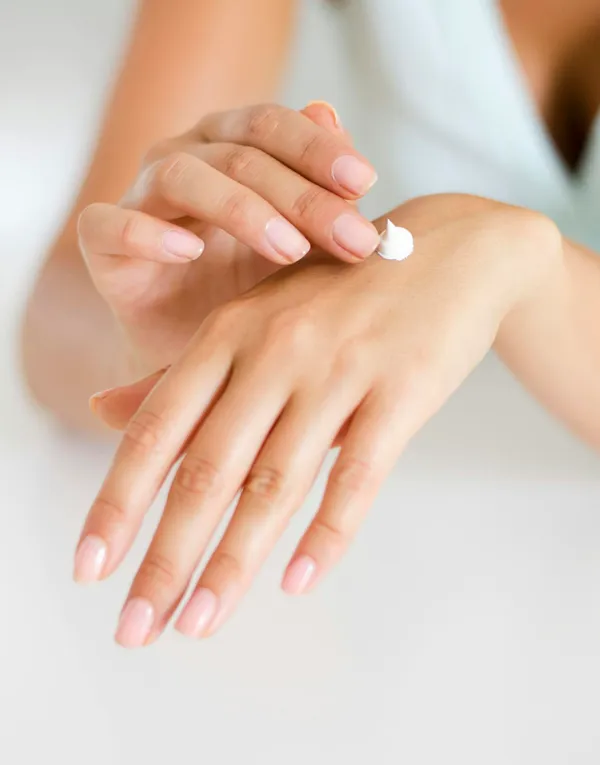
Keeping your skin hydrated isn’t just a cosmetic choice, it’s a fundamental part of maintaining healthy skin. When skin is well-hydrated, it feels soft, looks plump, and functions better as a barrier against irritants and environmental stressors.
From lifestyle habits to clinical support, several strategies can significantly boost hydration levels.
Many people turn to a Singapore aesthetic clinic for personalized guidance on hydration treatments such as skin boosters, especially when topical products aren't enough. But long-lasting skin hydration also starts with small daily practices that make a big difference over time.
Use a Gentle Cleanser That Preserves Moisture
Harsh soaps and cleansers can strip the skin of its natural oils, leading to dryness and irritation. Choose a pH-balanced, sulfate-free cleanser that removes dirt without damaging your skin’s protective barrier. Avoid foaming cleansers if you have dry or sensitive skin, and opt for cream or gel-based options that help lock in moisture.
Washing your face twice a day, morning and night, is usually sufficient. Over-washing can lead to tightness and dehydration, particularly if your skin is already prone to dryness.
Apply Hydrating Products on Damp Skin
To maximize the effect of hydrating products, timing is key. Apply moisturizers and serums immediately after cleansing, while the skin is still slightly damp. This helps seal in water and enhances absorption. Products containing humectants like hyaluronic acid, glycerin, or panthenol are especially effective because they draw moisture into the skin.
Layer your products correctly: start with the thinnest (serums), then move on to thicker textures (lotions or creams). This approach ensures hydration is sealed in effectively.
Choose a Moisturizer That Matches Your Skin Type
Moisturizers vary in texture and function, so selecting the right one for your skin type is essential. Gel-based moisturizers suit oily or acne-prone skin, while cream-based options offer richer hydration for dry or mature skin. For combination skin, a lightweight moisturizer with balanced oil and water content works best.
Look for ingredients like ceramides, fatty acids, and cholesterol, which help restore the skin barrier. These are especially beneficial in air-conditioned environments or dry climates where moisture loss is more rapid.
Drink Enough Water Throughout the Day
External care only goes so far. Internal hydration plays a vital role in maintaining skin moisture levels. While the “eight glasses a day” rule isn’t one-size-fits-all, drinking enough water based on your body’s needs can help your skin maintain elasticity and radiance.
Keep a water bottle nearby throughout the day and try to minimize intake of dehydrating beverages like coffee or alcohol. Consistent hydration supports cellular function and reduces the appearance of fine lines caused by dryness.
Staying hydrated is one of the simplest ways to support your overall health, but most of us honestly have no idea if we’re drinking enough water during the day. Between work, family responsibilities, and chasing kids around the house, it’s easy to forget that proper hydration impacts everything from energy levels to focus and even digestion. If you’re unsure whether you’re hitting the right amount, a good first step is to calculate your water intake based on your body weight, activity level, and daily routine. Once you know your baseline, it becomes much easier to build better habits like keeping a reusable water bottle nearby or setting simple reminders throughout the day.
Consider Indoor Humidity and Environmental Factors
Your surrounding environment greatly influences how hydrated your skin remains. Air conditioning, heating, and low-humidity climates can lead to increased transepidermal water loss. To combat this, use a humidifier at home, especially during the night, to maintain optimal moisture levels in the air.
Protect your skin from harsh weather by using barrier creams or wearing a scarf in cold, dry environments. For those in tropical locations, light hydration with sun protection is equally crucial.
Enhance Hydration with Professional Treatments
Sometimes, topical products and lifestyle changes aren’t enough, especially if your skin is dehydrated at a deeper level. In such cases, professional treatments like skin boosters offer long-lasting hydration by delivering hyaluronic acid directly into the dermis. This helps improve texture, elasticity, and overall skin health.
Consulting a trusted aesthetic clinic can help you determine which treatments align with your needs. Clinics often provide a personalized assessment and recommend medical-grade solutions that go beyond over-the-counter products.
Keeping your skin hydrated requires consistent effort across multiple fronts, product choice, lifestyle habits, and environmental awareness. And when needed, professional care can take your skin to the next level. By following these practical steps, you can maintain soft, smooth, and resilient skin all year round.