
Every year, thousands of drivers deal with bent, cracked, or prematurely worn rims—often just months after upgrading. In many of these cases, the problem can be traced back to cheap aftermarket wheels that looked good at first but weren’t built to last.
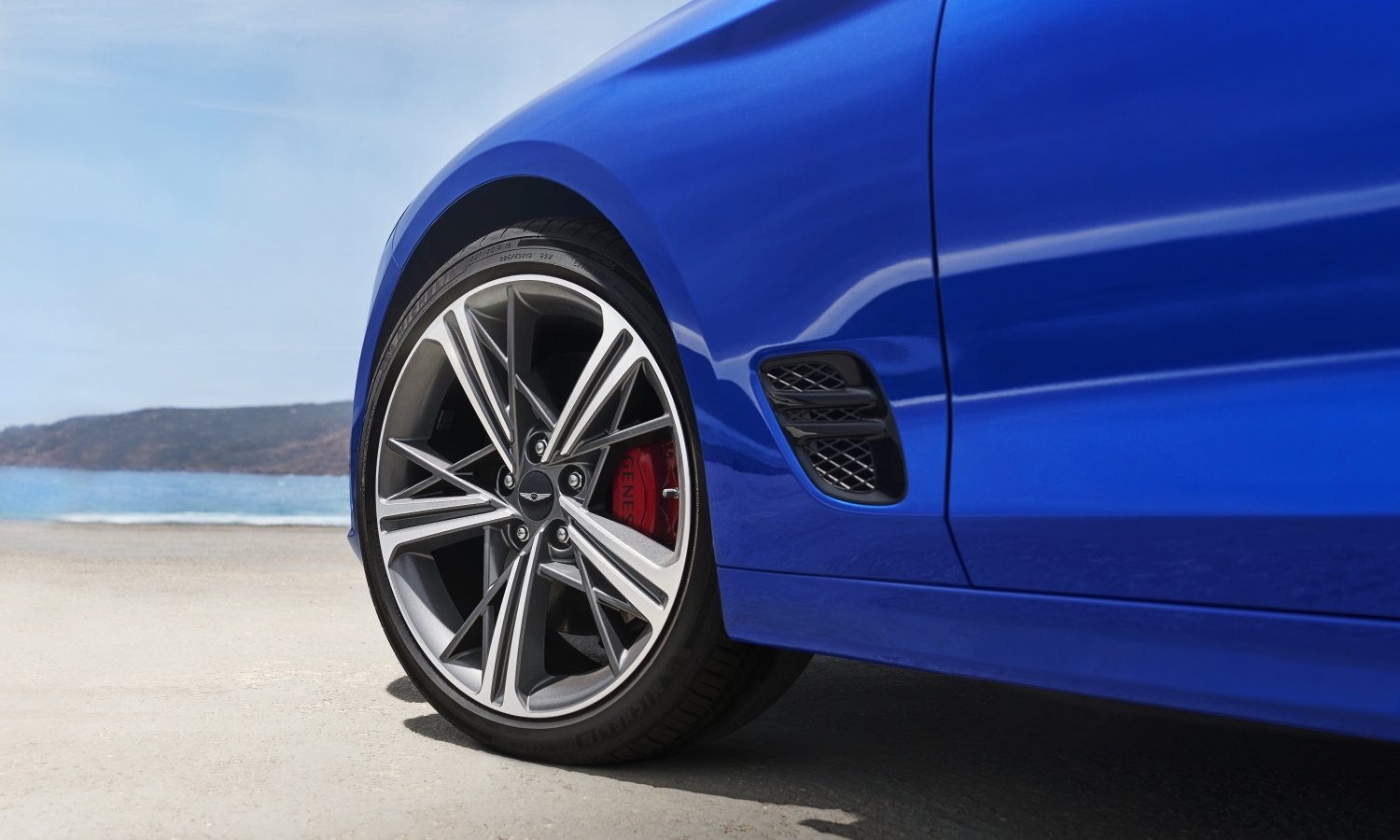
Custom rims are one of the most popular upgrades among car owners. Sleek designs, lower price tags, and quick curb appeal make them hard to resist. But when price takes priority over quality, hidden problems can creep in. From vibrations to early tire wear, budget rims may lead to ongoing repairs and safety concerns that turn a bargain into a burden.
1. Premature Damage From Low-Grade Materials
Budget rims often cut quality to reduce cost, using low-strength aluminum blends that crack easily under everyday stress. Even minor impacts—like a small pothole—can lead to structural damage that affects both performance and appearance.
Finishes on inexpensive rims tend to wear out quickly too. In just a few months, exposure to harsh weather or rough roads can cause paint to fade, peel, or bubble. A rim that starts to degrade visually often raises questions about its overall durability. Investing in reputable, well-reviewed brands—like Vossen Wheels—can help reduce the risk of frequent repairs and maintain both performance and appearance over time.
2. Alignment and Vibration Issues
Budget rims often have poor manufacturing quality, which can throw off your car's alignment. Bad alignment leads to vibrations that get worse the faster you drive. It can also make your steering feel off, making the ride less enjoyable.
Misaligned rims can cause the steering wheel to shake noticeably at highway speeds, making long trips tiring and stressful. Because of these problems, your suspension works harder, and you’ll need alignments more often. That constant need for fixes adds up quickly. Spending more on well-made rims helps your car run smoother and cuts down on extra maintenance.
3. Reduced Tire Longevity Due To Improper Fitment
Fitment problems are a major concern with bargain rims. When the dimensions don’t match your car exactly, tires can wear out unevenly. Irregular wear affects performance and can lead to damage along the sidewalls, raising the risk of blowouts—often at the worst possible moment.
Many cheap rims also include poorly designed bead seats, which may cause slow air leaks. The drop in pressure can go unnoticed until handling becomes unstable and control starts to slip. Using rims built to match your vehicle's specifications helps prevent premature wear, unexpected issues, and safety risks on the road.
4. Insurance and Safety Complications From Certification Gaps
A lot of low-cost rims don’t meet safety standards. Some manufacturers skip testing and certifications, which makes it unclear whether their rims are actually safe to use. If your car has uncertified rims, you might fail safety inspections and be forced to take your car off the road.
Lack of certification can also affect things like emissions or roadworthiness checks required by your state or region. Also, if you’re in an accident and your rims weren’t certified, your insurance company might deny the claim. That could lead to legal trouble and big expenses. Choosing rims from trusted companies that follow safety standards helps you avoid these risks and drive with peace of mind.
5. Hidden Costs Of Frequent Replacement Cycles
You might think you’re saving money with cheaper rims, but if they keep breaking or wearing out, you’ll end up spending more in the long run. Many low-budget rims can’t handle normal driving conditions and need replacing sooner than expected. When rims crack, chip, or lose shape, the costs start piling up.
Some rims may even bend slightly after hitting a curb or speed bump, making them unsafe without appearing obviously damaged. Each replacement doesn’t just cost money for the new rim—it also means paying for labor, tire mounting, and re-alignments.
Those added costs can quietly build up until you realize the "cheap" rims are actually pretty expensive. Picking better-made rims the first time can save you time, hassle, and money.
Cheap rims often seem appealing at first glance, offering style and savings upfront. Over time, though, problems like cracks, vibrations, uneven tire wear, and failed inspections can begin to surface. These issues lead to more frequent repairs, higher maintenance bills, and potential safety hazards.
What starts as a budget-friendly choice can quickly become a frustrating cycle of replacements and unexpected costs. Before committing, ask key questions about fitment, quality, and safety testing.
A smart investment in well-made rims helps avoid unnecessary stress and keeps your vehicle performing as it should. Spending more once often saves much more down the line.