
When the sticky warmth of Japanese summer settles in, something magical begins to happen in rural riversides and forested paths. Fireflies—hotaru in Japanese—emerge for their brief and beautiful season, painting the night with soft green flickers. It’s quiet, otherworldly, and deeply tied to the country’s cultural memory.
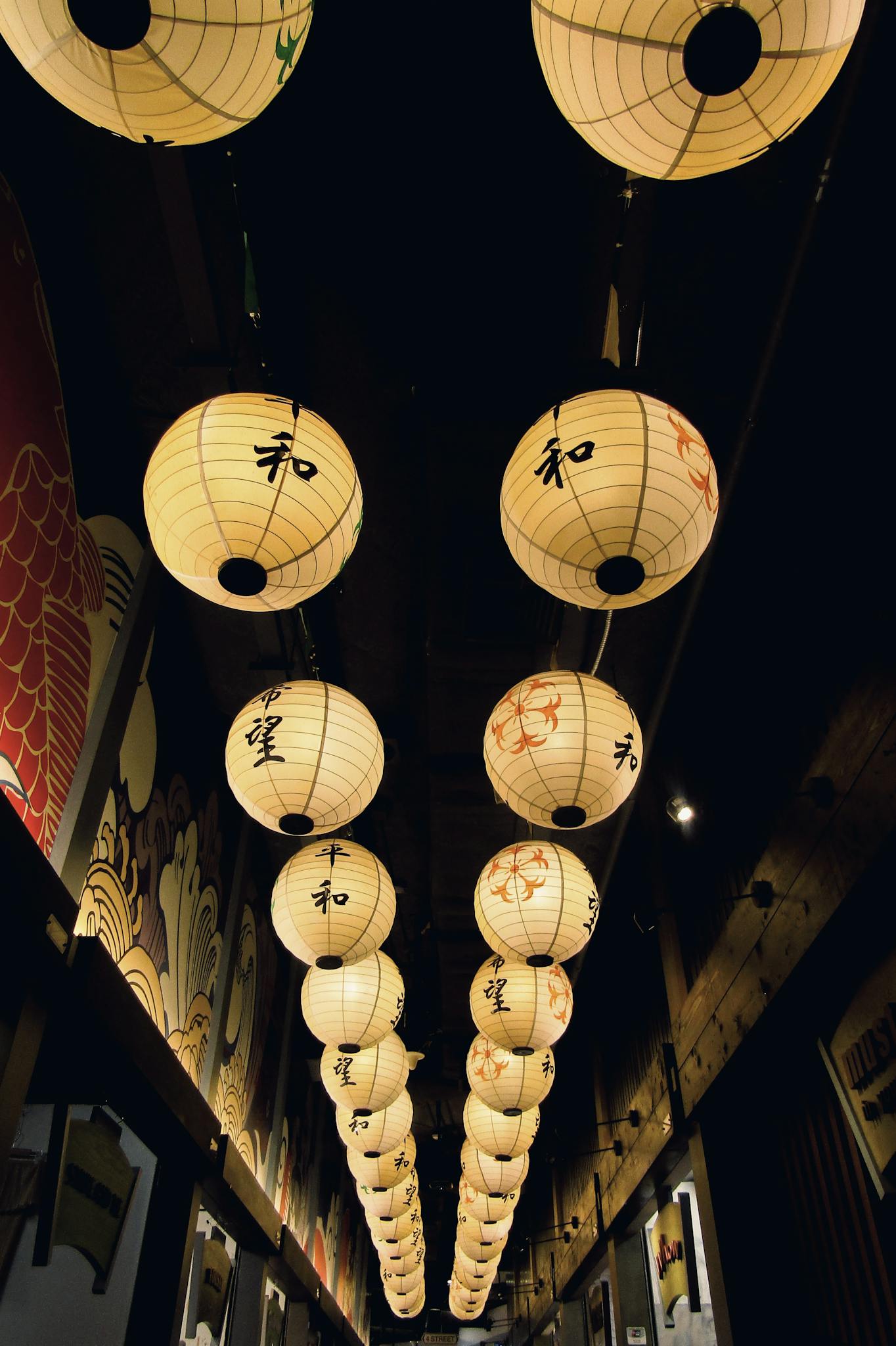
A Flicker in the Darkness
More than just an insect, the firefly in Japan is a symbol of fleeting beauty, nostalgia, and even love. To witness them in the wild is to see nature perform its own slow, glowing waltz—delicate, ephemeral, and unforgettable.
The Ritual of Chasing Fireflies
Unlike fireworks or lantern festivals, seeing fireflies requires a little more effort—and a little more patience. They don't perform on schedule. Their appearance depends on weather, humidity, and the health of the natural environment. But that’s part of what makes spotting them so special. You don’t chase fireflies like a tourist ticking off a to-do list. You wait for them, quietly, in the dark, often in small groups or alone, listening to cicadas and the rustling of leaves.
This ritual—slowing down, being still—feels especially rare in a hyperconnected world. And perhaps that’s why firefly viewing, while lesser-known than other summer traditions, remains cherished among locals.
Best Spots to Catch the Glow
1. Genji Fireflies in Tsukiyono, Gunma
A few hours from Tokyo by train, Tsukiyono Firefly Village in Gunma is a hidden gem for firefly lovers. Known for the Genji-botaru species—the larger, slower-flickering kind—it offers well-preserved riversides and viewing trails. The town even hosts a modest festival in early July, where lantern-lit paths lead you to the firefly hotspots. It’s never overly crowded, which means you still get that hush-hush atmosphere essential to the experience.
2. Setagaya Firefly Festival, Tokyo
Believe it or not, you can spot fireflies without leaving the city. Tokyo’s Setagaya Ward holds an annual Hotaru Matsuri in early summer, where fireflies are released in carefully managed environments like parks and streams. While it doesn’t match the wild allure of countryside sightings, it’s a gentle, family-friendly way to enjoy the glow. The festival also features traditional music and food stalls, turning it into a charming community event.
3. Maniwa, Okayama Prefecture
This lesser-known area is a sanctuary for multiple firefly species. Thanks to conservation efforts and clean water initiatives, the conditions here are just right. Local guides sometimes offer nighttime walking tours through the rice fields and riverbanks where the fireflies gather. The region’s slow pace and rural scenery only enhance the quiet spectacle.
4. Tatsuno Park, Nagano
For a more alpine experience, Tatsuno Park in Nagano is a favorite among photographers. The fireflies here can number in the thousands during peak season, blinking across a vast wooded area. The town has leaned into its identity as a firefly haven, offering accommodation packages, peaceful chalets in Nagano and shuttle services for those coming in from Tokyo or Nagoya.
Why Fireflies Matter So Much
Part of what makes firefly watching so profound is its transience. Their season lasts just a few weeks—usually late June through early July. And their glow? Often less than a second per flicker. In Japanese culture, that passing beauty is cherished. The firefly is featured in haiku, old songs, and even ghost stories. To the Japanese psyche, they represent mono no aware—an awareness of the impermanence of things, and a gentle, melancholy appreciation of it.
For some, the experience brings back childhood memories of catching fireflies in jars and releasing them again. For others, it’s a reminder to pause and look around—to appreciate beauty that doesn’t ask for attention, but rewards it quietly.
A Different Kind of Summer Highlight
Among all the festivals, fireworks, and beaches, firefly viewing often slips under the radar when listing the things to see in Japan during summer. But it’s arguably one of the most rewarding. There's no crowd to elbow through, no ticket booth, no performance schedule. Just you, the night air, and tiny specks of light dancing along the water.
It’s best enjoyed with few words and even fewer expectations. Sometimes, nothing happens right away. But then, out of the corner of your eye, a glow. Then another. And before long, you're surrounded by light—soft, quiet, natural.
Tips for First-Time Viewers
- Time it right: Firefly season peaks from late June to early July. Warm, humid nights (ideally after rain) increase your chances.
- Stay still: The more you move and talk, the more likely you’ll scare them off. Let your eyes adjust and give it time.
- Avoid using flashlights or phone screens: Even a small glow can ruin the moment.
- Support conservation areas: Choose locations where fireflies are protected, and don’t disturb their habitat.
Conclusion: Light That Stays With You
There’s something grounding about firefly watching. It asks nothing but your attention and gives back more than it promises. While it may not top every travel list, it stays with you far longer than most tourist spots. For those looking beyond the obvious, Japan’s summer firefly displays offer something rare: a reason to stand still, to breathe slower, and to see beauty where you didn’t know to look.
It might not come with a brochure or a bold headline—but it’s one of those quiet things to see in Japan that leaves a lasting imprint, glowing just beneath the surface of memory.