

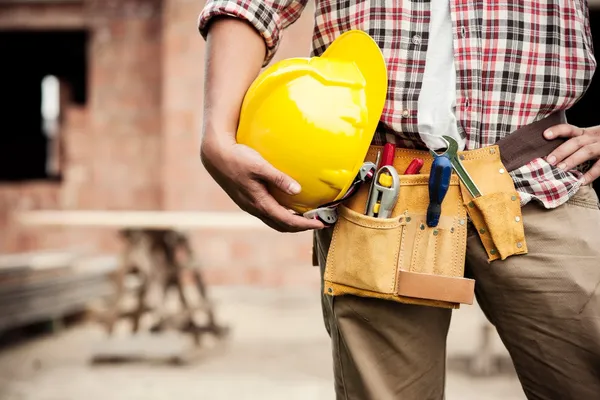
Jobsite conditions can change quickly, especially on larger, multi-phase projects. With heavy equipment, skilled trades, and multiple subcontractors in motion daily, the potential for injury or structural risk remains high without proper oversight.

Construction managers and planners increasingly turn to technology to identify hazards before they lead to incidents. Tools that offer real-time oversight and predictive insights are reshaping the standards of Construction Safety.
Why Traditional Safety Measures Need a Tech Upgrade
For decades, safety relied heavily on scheduled inspections, paper checklists, and manual reporting. These tools often fall short when it comes to providing timely information or uncovering subtle warning signs of danger. As projects grow more complex, reactive approaches leave too much room for missed hazards.
Modern monitoring solutions close this gap. They continuously track activities and conditions, capturing data at a scale and speed impossible through human observation alone. This data not only helps prevent incidents but also informs smarter decisions around scheduling, equipment use, and team coordination.
Types of Smart Monitoring Tools on Today’s Job Sites
Digital tools designed for active construction sites vary widely in function. Each category offers distinct advantages depending on the project’s size, scope, and safety priorities.
- Wearable sensors: Devices clipped to helmets or vests monitor worker movement, detect falls, and identify fatigue or high-risk behavior.
- Environmental sensors: These track air quality, temperature, noise levels, and vibration—alerting crews to conditions that could compromise health or structural integrity.
- Surveillance systems: AI-enhanced cameras recognize unsafe actions, such as missing PPE or close proximity to hazardous equipment, and send immediate alerts.
- Drones: Ideal for large or remote sites, drones collect aerial imagery to detect structural issues or verify that restricted zones remain secure.
- Mobile apps: Cloud-based reporting platforms streamline incident logging, hazard tracking, and safety audit processes in real time.
Each of these tools serves as a layer of oversight that supports more accurate assessments and faster reactions to risk.
Real-Time Alerts and Predictive Analytics
One of the most powerful aspects of digital site monitoring lies in its immediacy. Managers no longer have to wait for the end-of-day reports to find out what went wrong. Systems equipped with real-time alerts notify supervisors the moment an issue arises, allowing for immediate intervention.
Predictive analytics takes this even further. By analyzing trends from historical and live data, software platforms can forecast where incidents are more likely to occur. If certain trades consistently overlap in tight areas or specific materials create recurring hazards, planners can address those patterns early. This proactive planning not only protects workers but also reduces downtime and insurance claims.
The Role of Integration With BIM and IoT
Advanced monitoring systems work best when integrated into broader digital construction workflows. Building Information Modeling (BIM) tools offer a shared, up-to-date map of site layouts and progress. When monitoring data connected to BIM platforms, safety officers can visualize where risks are highest based on live site activity.
The Internet of Things (IoT) supports this integration. By syncing equipment sensors, environmental monitors, and wearables to a central platform, managers get a unified view of all active safety indicators. This connected infrastructure supports better coordination between trades and clearer accountability when protocols fall short.
Preparing Teams to Use Monitoring Tools Effectively
Introducing new technology requires more than purchasing hardware. Workers need training on how these tools work, why they matter, and how to respond when alerts go off. Leadership must set expectations early, communicate clear procedures, and offer consistent follow-up.
To encourage adoption, many companies start with small-scale trials and expand once crews see the benefits. Feedback loops between field workers and safety teams also strengthen the effectiveness of the monitoring tools, since those closest to the work can offer valuable insight on how data translates into action.
Upgrade Your Job Site With Smarter Safety Solutions
Construction teams that invest in smart monitoring protect more than just compliance—they protect lives, timelines, and reputations. These tools help decision-makers see what matters, when it matters most. Take the next step toward a safer, more efficient job site by exploring which advanced monitoring systems align with your project goals.
- The Future of Healthcare: How AI is Revolutionizing Patient Care
- The Best Practices for Field Coordination in Construction Projects
- How to Choose the Right Home Security System
- New Preconstruction Technologies Revolutionizing Construction Timelines
- Fitness Monitoring App Development – Doing A Good Job