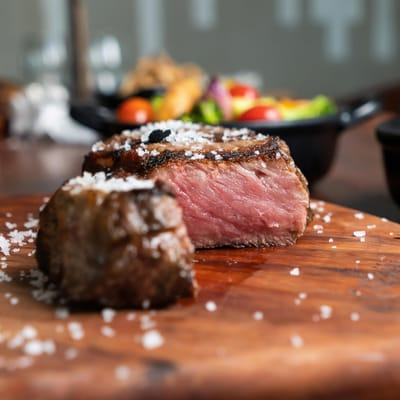


Embarking on a road trip to explore the rich tapestry of regional American cuisine is a dream for many food lovers. From smoky barbecue in the South to fresh seafood along the coast, the flavors of America are as diverse as its landscapes. But let’s face it—traveling for food can add up quickly.
TL;DR
What this is: A calm, step-by-step guide to planning a budget-friendly culinary road trip across the U.S.
Core idea: Pick a focused food theme/region, build a realistic budget, mix cheap eats with a few splurges, and prep for surprises so you can savor more without overspending.
8 steps in a bite:
Money savers to remember: Off-peak dining, split portions, food trucks, market picnics, and bringing your own road snacks/drinks.
Bottom line: With a clear plan and a few thrifty habits, you can eat your way through regional American cuisine—more flavor, less spend—and come home with a playbook for the next adventure.

Why Should Take a Culinary Road Trip
This step-by-step tutorial will walk you through planning a budget-friendly culinary road trip, ensuring you savor every bite without breaking the bank. With a calm and thoughtful approach, we’ll compare different strategies to help you balance cost and experience, making your journey as delicious as it is affordable.
Step 1: Define Your Flavor Destinations
Before you hit the road, take some time to decide which regional cuisines you’re most eager to taste. Are you craving the spicy kick of Cajun dishes in Louisiana, or do you long for the hearty comfort of Midwestern casseroles? Narrowing down your destinations helps you create a focused itinerary. Many travelers find that picking a specific region or theme—like Southern soul food or New England clam bakes—makes the trip more meaningful. Compare the appeal of iconic food hubs versus hidden gems off the beaten path. While famous spots often have higher prices, smaller diners can offer authentic flavors at a fraction of the cost.
Step 2: Set a Realistic Food and Travel Budget
Once you’ve mapped out your must-visit spots, it’s time to crunch some numbers. Budgeting for a culinary road trip involves more than just meals; you’ll need to account for gas, lodging, and unexpected expenses. A common approach is to allocate a daily amount for food and stick to it by mixing affordable eateries with a few splurge-worthy stops. Think about whether you’d rather spend more on a memorable dinner at a historic restaurant or save by enjoying picnics with local market finds. Comparing these options ahead of time helps you avoid overspending and keeps stress at bay.
Step 3: Research Cost-Saving Dining Tips
Finding ways to eat well without draining your wallet is key to a successful food adventure. Many seasoned travelers suggest looking for daily specials at restaurants or visiting during off-peak hours when prices might be lower. Another idea is to share dishes with your travel companions to sample more flavors without ordering full portions. Compare the benefits of eating at food trucks versus sit-down diners—food trucks often provide authentic, budget-friendly meals with a local flair. Planning your meals with these strategies in mind ensures you get the most out of every stop.
Step 4: Plan for Unexpected Costs with Financial Backup
No matter how carefully you plan, road trips can come with surprises—a flat tire, an unplanned detour, or an irresistible food festival you didn’t know about. Having a financial safety net can make all the difference in keeping your journey stress-free. If you find yourself needing a small amount of extra cash to cover these surprises, looking into options like 500 loans can provide a quick solution to keep your trip on track. It’s generally a good idea to explore such options before you leave, so you’re prepared for any bumps in the road without derailing your culinary quest.
Step 5: Pack Smart for On-the-Go Eating
One often-overlooked way to save money on a food-focused road trip is to pack your own snacks and essentials. A cooler filled with drinks, fruits, and sandwiches can tide you over between major meals, letting you save your budget for truly special dining experiences. Compare the ease of packing pre-made items versus stopping at local grocery stores along the way to stock up on regional treats. Many find that a mix of both keeps things fresh and exciting. Packing smart also means bringing reusable utensils and containers to cut down on waste and extra costs at fast stops.
Step 6: Balance Your Itinerary Between Food and Exploration
While the main goal of your trip might be to taste America’s regional cuisines, it’s worth weaving in other experiences to round out your adventure. Think about pairing a hearty Texas barbecue lunch with a visit to a nearby historic site, or enjoying a Maine lobster roll after a scenic coastal walk. Compare the value of cramming your days with food stops versus spacing them out with cultural or natural attractions. Many travelers feel that a balanced itinerary keeps the trip from feeling overwhelming and lets you appreciate each meal even more.
Step 7: Document Your Culinary Journey
As you travel, take the time to jot down notes or snap photos of the dishes and places that stand out. Not only does this help you remember the highlights, but it also lets you share your discoveries with friends or fellow food enthusiasts. Compare the idea of keeping a simple journal versus posting updates on social media—both can be rewarding, depending on how much time you want to spend. Many find that reflecting on each meal deepens their appreciation for the diversity of American cuisine and inspires future trips.
Step 8: Reflect and Plan for the Next Adventure
Once you’re back home, take a moment to think about what worked well and what you might do differently next time. Did you stick to your budget? Were there any food stops that exceeded your expectations or fell short? Comparing your initial plans to the actual experience can help you refine your approach for future road trips. Many travelers find that each journey teaches them something new about balancing cost, comfort, and culinary delight, paving the way for even better adventures down the road.
In wrapping up, planning a budget-friendly culinary road trip across America’s diverse food regions doesn’t have to be daunting. By following these steps, from setting clear goals to preparing for the unexpected, you can savor every moment and every bite without financial stress. Regional American cuisine offers a unique window into the heart of the country, and with a thoughtful plan, you’re ready to explore it all. So pack your bags, map your route, and get ready to taste the flavors that make each corner of the nation so special. Your next great food memory is just a drive away.