A Practical 12-Month HVAC Care Calendar for Florida Homes and Small Businesses

Key Takeaways
- Florida HVAC systems benefit from year-round maintenance because heat, humidity, and long cooling seasons increase equipment wear.
- Monthly filter checks, seasonal inspections, and routine observations can help identify problems before they become costly repairs.
- Homeowners can safely handle basic tasks such as replacing filters and clearing debris, while refrigerant, electrical, and internal repairs should be left to qualified professionals.
- Regular maintenance supports better comfort, energy efficiency, and longer equipment life, but it cannot correct major installation or ductwork issues.
- Prompt professional service can help determine whether repair, maintenance, or system replacement is the most practical long-term solution.
Florida heating and cooling systems work hard for most of the year. Heat, humidity, pollen, frequent rain, storm debris, and long cooling cycles can all affect comfort and equipment performance. A simple calendar-based routine helps homeowners and small-business operators spot minor issues before they become inconvenient leaks, poor airflow, higher utility bills, or unexpected breakdowns. For local guidance, HVAC maintenance from All Brevard Air & Heat covers repair, installation, and routine service for residential and commercial systems. Based in Cocoa and serving Brevard County, Florida, the company brings hands-on local experience and EPA-certified technicians to year-round comfort concerns, including the heavy moisture and extended cooling demands common in the area.
Why Florida HVAC Systems Need Year-Round Care
In many parts of Florida, an air conditioner or heat pump may run during every month of the year. That workload puts pressure on filters, coils, blower components, electrical connections, and condensate drains. Coastal properties may also contend with salt-laden air, while homes near construction, trees, or busy roads can collect more dust and debris. Maintenance needs are not identical for every property. Equipment age, system type, square footage, occupancy, pets, indoor air-quality concerns, and daily operating hours all matter. The goal is not to perform every repair yourself. It is to observe the system consistently, handle safe basics, and arrange professional help when the equipment shows signs of stress.
January Through March: Review and Reset
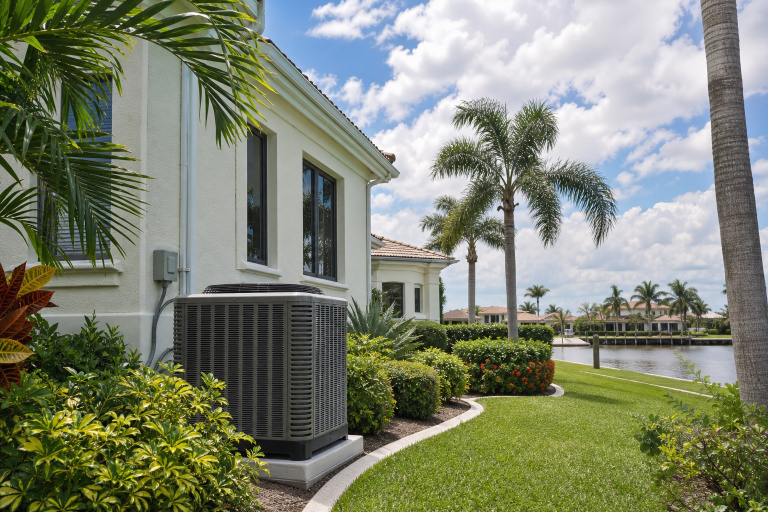
Start the year with a quick system review. Check the air filter monthly and replace it when it looks loaded with dust or according to the manufacturer's instructions. Walk through the property and make sure supply registers and return grilles are open, clean, and not blocked by furniture, storage, rugs, or displays. Review thermostat schedules as household routines or business hours change. Look around the indoor unit, drain pan, and condensate line for visible moisture. Outside, clear leaves, mulch, grass clippings, and loose debris from around the condenser. Keep a note of unusual noises, odors, uneven room temperatures, or a noticeable increase in the utility bill. Those details make a later service call more productive.
April Through June: Prepare for Peak Cooling
Spring is a practical time to schedule a professional cooling inspection, before high summer demand makes appointment availability tighter. A thorough visit may include coil cleaning, drain inspection, electrical testing, airflow checks, thermostat review, and refrigerant evaluation. Refrigerant work, internal coil access, and electrical diagnostics should always be left to a qualified technician. The ENERGY STAR maintenance checklist recommends regular filter attention and seasonal professional checkups. A written service report is especially useful because it documents current conditions and can help owners budget for repairs before extreme heat arrives.
Peak-Season Preparation Checklist
- Inspect or replace the filter.
- Confirm vents and returns have clear airflow.
- Clear vegetation and debris around the outdoor unit.
- Test thermostat settings and schedules.
- Schedule professional service if the system is aging, noisy, leaking, or cooling unevenly.
July Through September: Watch for Heat and Humidity Stress
Long run times are common during a Florida summer, but nonstop operation does not automatically mean the system is working correctly. Watch for weak airflow, warm air from vents, frequent short cycling, ice on refrigerant lines, water near the indoor equipment, or rooms that remain damp despite a normal thermostat reading. Humidity deserves special attention. A system can reach the set temperature while still leaving indoor air clammy if airflow, drainage, sizing, ductwork, or equipment operation is not right. First, check the filter and verify that the outdoor unit is unobstructed. If you see ice, repeated leaks, burning smells, electrical odors, or persistent loss of cooling, stop troubleshooting and call a professional.
October Through December: Inspect After the Long Cooling Season
After months of heavy use, inspect the system again. This is a good time to arrange heat-pump or heating service before cooler nights arrive. A technician can evaluate controls, blower operation, electrical connections, thermostat performance, and overall system condition. For small businesses, keep service reports, invoices, and notes about comfort complaints in one place. A clear repair history makes budgeting easier and helps identify whether an aging system is becoming unreliable. It also provides useful information when comparing repair options with a future replacement plan.
Simple Tasks Property Owners Can Handle
- Inspect the air filter every month.
- Keep supply vents and return grilles open and unobstructed.
- Remove loose leaves, grass, and debris from around the outdoor unit.
- Look for visible water near indoor HVAC equipment.
- Keep storage, furniture, and landscaping away from system components.
- Record changes in sound, airflow, comfort, humidity, or energy use.
Tasks Best Left to a Qualified HVAC Professional
Some work requires specialized tools, training, and safety procedures. Call a qualified professional for refrigerant testing or charging, electrical diagnostics, capacitor testing, deep coil or blower cleaning, drain repairs, leak detection, duct leakage testing, airflow balancing, load calculations, equipment replacement, and system commissioning.
How Maintenance Supports Energy Efficiency
Dirty filters and coils can restrict airflow, forcing equipment to run longer. Poor duct performance, inadequate insulation, excessive sun exposure, and thermostat habits can also raise cooling demand. The U.S. Department of Energy explains that central air conditioners and heat pumps come in several configurations, but all depend on proper selection, installation, and operation for reliable performance. Learn more through its guidance on central air conditioners and heat pumps. Maintenance is valuable, but it cannot fully solve an undersized system, major duct leaks, poor installation, or a building envelope problem. Consider maintenance as one part of a broader efficiency plan that may also include duct sealing, insulation improvements, shading, and sensible thermostat schedules.
When Repair Makes More Sense Than Replacement
Repair may be the sensible choice when the problem is isolated, the equipment has been dependable, and the cost is reasonable relative to the system's age and condition. Replacement planning becomes more important when breakdowns recur, comfort is uneven, moisture issues persist, noise increases, or energy costs rise without a clear explanation. Request a written diagnosis and compare long-term ownership costs, not only the lowest upfront price.
How to Choose a Local HVAC Service Provider
Look for appropriate licensing, insurance, relevant certifications, clear pricing, and plain-language explanations. Ask what the inspection includes, whether a written report is provided, and whether the company works with your equipment type. Businesses should also ask about commercial scheduling, maintenance plans, emergency availability, and documentation for facility records.
Quick Questions Readers May Ask
How often should an HVAC filter be changed?
Monthly inspection is a useful starting point. Actual replacement timing depends on filter type, pets, allergies, dust levels, occupancy, and how often the system runs.
Is one professional visit per year enough?
Many Florida systems benefit from seasonal attention, particularly a cooling check before summer and a heating or heat-pump review before cooler weather. The right schedule depends on use, age, warranty requirements, and performance concerns.
Can a homeowner clean the outdoor unit?
Owners can remove loose debris and trim back nearby plants. Deeper cleaning, panel removal, and electrical work are best handled professionally.
Turn the Calendar Into a Routine
Add filter checks, seasonal service reminders, and comfort notes to your calendar. Regular attention cannot prevent every failure, but it can reveal problems earlier, support better comfort, and make repair or replacement decisions less stressful.
Conclusion
A consistent maintenance routine is one of the simplest ways to support reliable HVAC performance throughout Florida's long cooling season. Regular filter checks, seasonal inspections, and prompt attention to changes in airflow, humidity, noise, or energy use can help reduce unexpected breakdowns and extend equipment life. While homeowners can safely handle basic upkeep, professional service remains important for diagnosing hidden issues, maintaining efficiency, and addressing repairs before they become more expensive. By following a year-round maintenance schedule and responding early to warning signs, property owners can improve indoor comfort, manage operating costs more effectively, and keep their HVAC system prepared for Florida's demanding climate.


