
Routine Plumbing Checks That Help Homeowners Catch Problems Early
A short monthly walkthrough can help you catch plumbing problems early. Here’s what to check around sinks, toilets, drains, your water heater, and outdoor fixtures.

Key Takeaways
- Small plumbing issues can lead to leaks, water waste, and property damage when they go unnoticed.
- A brief monthly walkthrough can reveal dampness, corrosion, weak connections, and slow drains.
- Every household should know the location of its main water shutoff valve before an emergency happens.
- Toilets, water heaters, supply hoses, sinks, drains, and outdoor fixtures all benefit from regular visual checks.
- Water near electrical equipment, signs of a sewer backup, and fast-moving leaks call for prompt professional attention.
Most household plumbing stays out of sight until something goes wrong. A dripping connection beneath a sink, a toilet that quietly refills, or a slow drain may seem minor at first, but it can become a bigger problem. Still, early detection can help reduce water waste and damage to cabinets, flooring, drywall, and belongings. Basic Plumbing awareness gives homeowners a practical way to notice changes before they become harder to manage.
Routine checks cannot prevent every emergency, especially when a hidden pipe fails or severe weather affects drainage systems. They can, however, make it easier to recognize moisture, unusual sounds, stains, reduced water pressure, or worn parts that deserve closer attention.
Why Routine Plumbing Checks Matter
Leaks are not always obvious. The U.S. Environmental Protection Agency reports that an average household can lose more than 9,300 gallons of water each year through leaks. Common causes include dripping faucets, leaking valves, and worn toilet flappers. A consistent inspection routine helps make these small issues easier to spot.
Start with visible areas and take notes when something changes. A stain that was not there last month, a soft cabinet bottom, or a supply valve that is difficult to turn can provide useful information if repair work becomes necessary.
How To Complete A Monthly Walkthrough
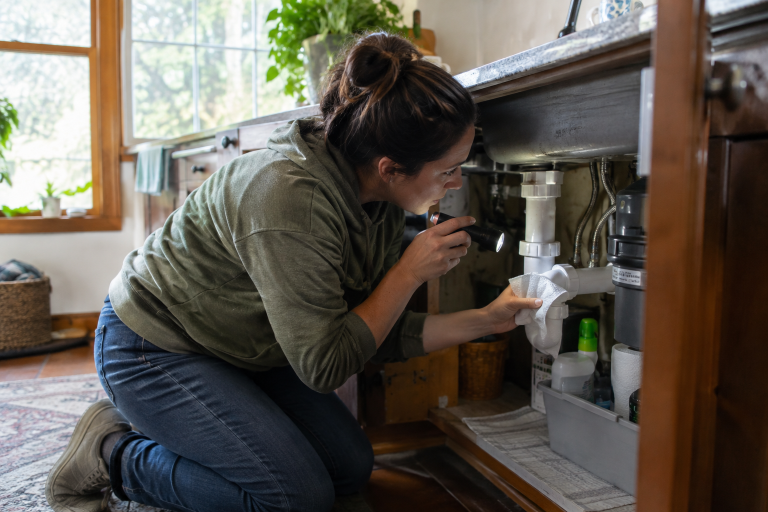
A monthly walkthrough usually takes 10 to 15 minutes. Bring a flashlight, a paper towel for checking damp surfaces, and a phone to photograph anything that may need monitoring. If you discover an issue that is beyond a simple visual check, a qualified plumber can diagnose the cause and recommend an appropriate repair.
- Look beneath kitchen and bathroom sinks for moisture, stains, mineral buildup, or swollen wood.
- Check visible supply lines and shutoff valves for corrosion, rust, cracks, or drips.
- Look around toilet bases for water and make sure the fixture does not rock.
- Listen for faucets that drip or toilets that refill when no one has flushed them.
- Inspect the water heater area for puddles, rust, or changes in performance.
- Confirm that the main water shutoff valve is accessible and that household members know where it is.
Early Signs Of A Hidden Leak
Hidden leaks may show up as a musty smell, peeling paint, warped flooring, damp carpet, soft cabinet bottoms, or an unexplained increase in water use. You may also hear water moving through pipes when all fixtures and water-using appliances are off.
A simple meter check can provide another clue. Turn off faucets, irrigation, ice makers, and water-using appliances, then record the meter reading. Wait at least 2 hours without using water, then compare the reading again. If it changes, a leak may be present. This test does not identify the location or severity of the problem so that further evaluation may be needed.
Toilet Checks That Take Minutes
A running toilet can waste a substantial amount of water without creating a puddle. Other warning signs include weak flushing, frequent refilling, water around the base, and a toilet that shifts when weight is applied. The EPA recommends a straightforward dye test for suspected tank leaks.
- Add a few drops of food coloring to the toilet tank.
- Wait about 10 minutes without flushing.
- Check whether color has appeared in the bowl.
- Flush promptly after the test to avoid staining.
Only toilet paper and normal waste should be flushed. Paper towels, cotton products, dental floss, wipes, and similar materials can contribute to clogs, even when a package describes a product as flushable.
Simple Drain And Disposal Habits
A slow drain may be caused by buildup near the fixture, but recurring or widespread drainage problems can indicate a larger issue. Use sink strainers, remove visible hair and food debris, and keep grease, cooking oil, coffee grounds, rice, pasta, and fibrous scraps out of kitchen drains.
Signs A Drain Problem May Need More Attention
- Several drains slow down simultaneously.
- Water backs up into a sink, tub, shower, or floor drain.
- Gurgling occurs repeatedly after water drains.
- Sewer-like odors return after routine cleaning.
- A clog quickly comes back after being cleared.
Water Heater Warning Signs
Homeowners can safely observe the area around a water heater without opening panels or handling gas, electrical, or pressure-control components. Look for puddles, corrosion, rust-colored water, reduced hot-water availability, rumbling noises, or unexpected temperature changes. Follow the manufacturer’s maintenance guidance, and seek qualified help for leaks, overheating, gas odors, or electrical concerns.
Outdoor Plumbing Checks
Check outdoor faucets, hose connections, irrigation components, and visible exterior pipes for dripping, cracks, weak flow, pooling water, or moisture near the home’s foundation. In freezing climates, disconnect hoses and protect exposed plumbing before cold weather arrives. In storm-prone areas, inspect drainage paths and sump-pump discharge locations before heavy rain.
Seasonal routine plumbing checks can also include inspecting sump pumps, discharge piping, and signs of sewer line trouble. A pump that does not activate, a blocked discharge route, or recurring backup symptoms should be addressed before a major storm places additional demand on the system.
What To Do During A Plumbing Emergency
- Stay calm and identify the source only if it is safe to do so.
- Close the nearest fixture shutoff valve or the main water valve.
- Keep clear of outlets, appliances, electrical panels, and gas equipment near standing water.
- Move valuables, furniture, and boxes away from the affected area when safe.
- Photovisible damage for your records.
- Arrange professional diagnosis and repair for burst pipes, significant leaks, or sewer backups.
A Simple Year-Round Maintenance Calendar
- Every month: Inspect sinks, toilets, faucets, appliance hoses, visible pipes, and drain performance.
- Each season: Review outdoor fixtures, irrigation, exposed pipes, drainage areas, and weather-related risks.
- Twice each year: Check accessible shutoff valves and visually inspect the water heater.
- Before travel: Look for active leaks and consider whether shutting off the main supply is appropriate for the home.
- After severe weather: Inspect outdoor plumbing, sump-pump areas, drainage paths, and visible connections.
Making seasonal plumbing inspections part of normal home care can help homeowners prepare for weather changes, increased outdoor water use, and conditions that place added strain on fixtures and drainage systems.
Final Thoughts
Plumbing maintenance does not need to take an entire weekend. Short, repeatable checks can help reveal leaks, clogs, corrosion, pressure changes, and worn connections earlier. Handle simple visual inspections with care, but leave serious leaks, sewer issues, water heater faults, and electrical hazards to trained professionals.


