

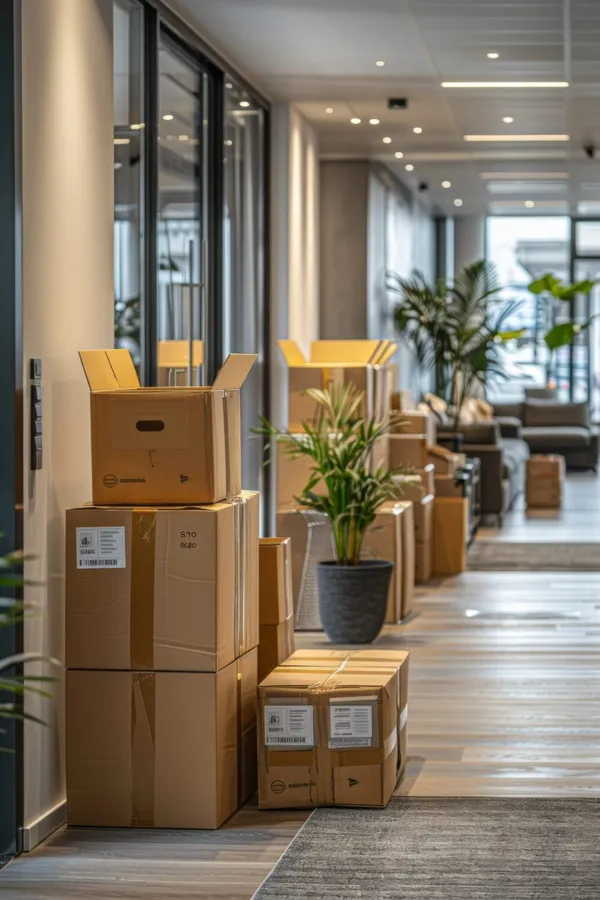
Moving is complex. Endless boxes, forgotten items, and weeks of digging through cardboard chaos can make the process overwhelming. But it doesn’t have to feel that way. Enter minimalism. With a minimalist approach, you can enjoy a stress-free moving solution.
Key Takeaways
- Minimalism simplifies moving by encouraging you to keep only what truly matters, reducing costs and stress.
- Use strategies like the six-month rule or 'halve it twice' to declutter before packing.
- Pack by category for efficiency, and create a 'first night' box for easy access to essentials.
- On moving day, fewer items lead to faster moving, shorter jobs, and lower expenses.
- Unpack intentionally by prioritizing essentials and living in the space before settling everything in.

Table of contents
- The Minimalist Mindset
- Declutter Before You Pack
- Pack Like a Minimalist
- Moving Tips Made Minimal
- Starting Fresh
Minimalism is the practice of keeping only what matters, and it can change the way you move. You’ll spend less money, feel less anxious, and settle faster into your new home.
The Minimalist Mindset
Moving typically means packing everything you own. Minimalist moving asks a different question: What deserves to come with me?
That shift changes the entire process. Some use the six-month rule: if you haven’t used it in half a year, you don’t need it. Others try a “pretend move”: pack everything, then only unpack what you use. Donate whatever stays in boxes for months.
Here’s how minimalism pays off:
- Lower costs: fewer boxes, smaller trucks, shorter jobs
- Less stress: no clutter to sort through
- Faster unpacking: every item has a purpose
- A clean start: your new home feels organized from day one
Minimalist moving also gives you more control. You’re not just hauling possessions; you’re curating the life you want in your new space.
Declutter Before You Pack
The easiest move starts before the first box. Create a system for tough decisions.
Try the “halve it twice” method. Take a category—clothes, books, kitchen gadgets—cut it in half, then cut it in half again. You’re left with the things you actually love and use.
Go room by room:
- Bedroom: keep one set of sheets per bed and your favorite clothes
- Kitchen: stick to your most-used appliances and cookware
- Living areas: bring furniture you use and décor that sparks joy
- Storage: purge; most of it gathers dust
Digitize important papers. Recycle old bills, manuals, and paperwork you’ll never read again. A single file box can replace an entire cabinet.
Think twice about storage units. They often become expensive ways to postpone decisions. Ask yourself: Am I keeping this because I need it or because I can’t let go?
Selling vs. donating comes up a lot. Selling takes time and energy. If you’re already stressed, donate and move on.
Set deadlines for each room. Most people never miss what they let go.
Pack Like a Minimalist
Once you’ve pared down, packing feels lighter. Think in categories, not rooms:
- Daily essentials: things you use every day
- Weekly needs: items you’ll want the first week
- Occasional items: everything else
Pack a clear “first night” box with a charger, toothbrush, medications, clothes, snacks, and toiletries. Keep it with you instead of in the moving truck.
Use what you already own as packing materials. Towels and clothes make excellent padding for fragile items. This saves money on bubble wrap and ensures boxes get packed efficiently.
Finish packing one room before starting the next. This keeps you focused and uncluttered.
Moving Tips Made Minimal
Moving day is easier when youé taken the minimal path. With less stuff, movers work faster, and the bill is smaller.
When I moved to Jersey City recently, I’d cut everything down to 15 boxes and a few pieces of furniture. Zip To Zip Moving Company quoted me for a half-day instead of a full one. They loaded everything in one trip, and I was unpacking by lunch. The cost was about half of what most of my friends had paid.
Your moving day checklist is short:
- Confirm arrival time with movers
- Keep important documents with you
- Do a final walkthrough
- Make sure your “first night” box is ready
Fewer things mean fewer surprises. You won’t find forgotten boxes months later, or realize you packed something you needed.
Starting Fresh
Minimalist moving doesn’t end at the door. How you unpack also matters.
Don’t rush to fill every drawer. Live in your new space for a week before deciding where things belong. You may find the dining room works better as an office, or that you don’t need furniture in every corner.
Unpack in order of priority: bed first, then kitchen basics, then your workspace. Everything else can wait.
This approach builds lasting habits. Starting with intention makes it easier to stay organized and avoid clutter in the future.
The reward for your hard work? Freedom. Less stuff means less cleaning, less sorting, and less stress. You’ll have more time for the people and activities that matter most.
Moving doesn’t have to drain you. Apply minimalist principles, be intentional, and discover how much easier life feels when you carry only what deserves to come along.