

Asbestos, a naturally occurring mineral, was once favored for its resistance to fire and heat. Although it has been banned in many countries due to its serious health risks, older homes may still harbor this hazardous material.
Recognizing where asbestos could potentially be located in your home is crucial for safeguarding your health and that of your loved ones. This article discusses various parts of your home that might contain hidden asbestos materials, outlining the risks and how to engage professionals for safe removal.
Insulation Materials
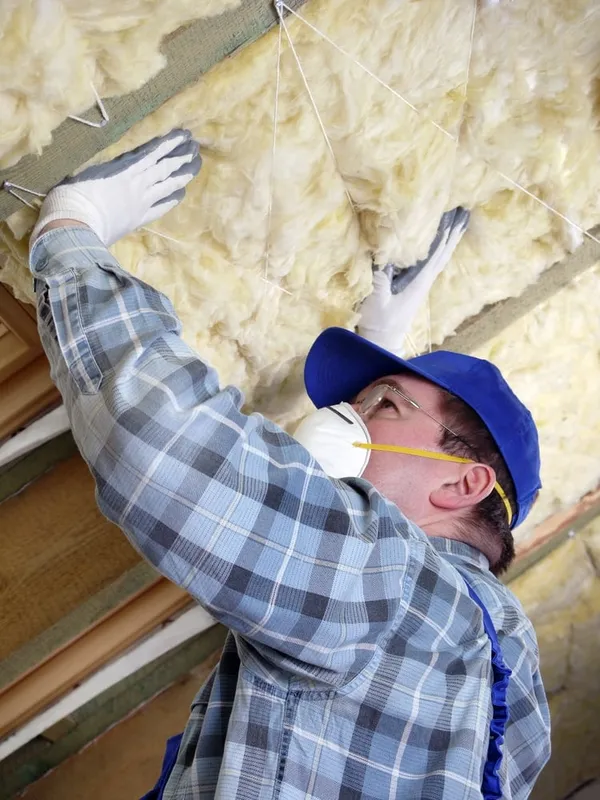
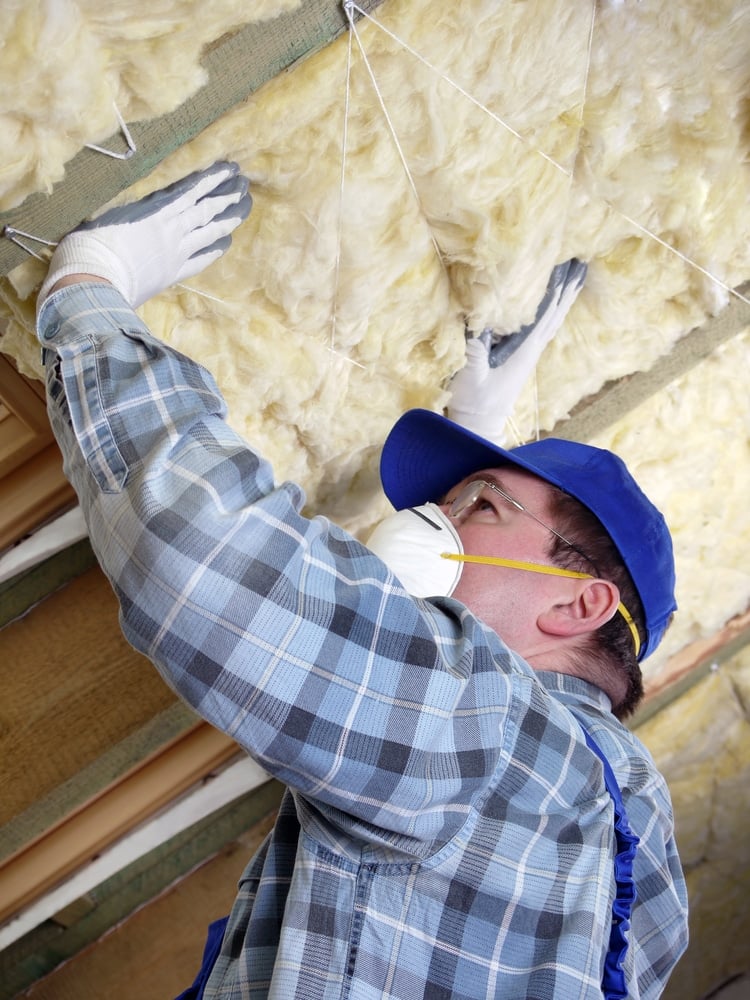
Many homes built before the 1980s used asbestos in insulation materials, particularly in attics and around heating pipes. This type of insulation is often found in the form of loose-fill, batt insulation, or as a coating for pipes and boilers. Homeowners may not see these materials, as they are typically hidden behind walls or ceilings.
The dangers arise when these materials become damaged or disturbed, releasing harmful fibers into the air. For protection, calling in residential asbestos removal experts can help ensure that any asbestos insulation is handled safely. Asbestos insulation can be tricky to identify because it can mimic other materials.
When inspecting your home, check older homes' insulation diligently or consult with a trained professional. Signs to look for include discoloration or damage to insulation surrounding hot water pipes, furnaces, and heat ducts. Immediate steps should be taken if a breach is found, since fiber release can pose immediate risks.
Flooring Materials
Vinyl flooring and tiles, especially those installed before the 1980s, may contain asbestos. This material was often included in the flooring mix for added durability and flexibility. Whether you have tiles, linoleum, or even some types of resilient flooring, the risk remains. The key threat appears during removal or renovation when the potential for dust and fiber release is high.
It is advised to always assume that flooring materials in older homes may contain asbestos unless testing confirms otherwise. When upgrading your flooring, it’s beneficial to consult with professionals who specialize in asbestos and can conduct the necessary tests. If any asbestos-containing materials are found, removal should always be handled by experts equipped to minimize exposure risks.
Roof and Siding Materials
Some roofing materials, particularly shingles and siding, used asbestos for added fire resistance and strength. This application is more common in homes built before 1980. Not apparent at first glance, these materials require careful examination, especially after storm damage or when performing repairs.
The release of asbestos fibers can occur when these materials are cut, broken, or sanded. Always handle roofing repairs with caution. When upgrading or repairing, ensure that you engage with professionals who understand the risks and are trained in safe removal techniques. Accessing roofing materials safely will prevent unnecessary exposure during repair and replacement.
Textured Paint and Ceiling Surfaces
Textured ceilings and wall paints created before 1978 may contain asbestos as well. Commonly known as popcorn ceilings, these textures became popular due to their aesthetic appeal and ability to hide imperfections. However, if the surface starts to deteriorate or is disturbed during renovations, it can release harmful fibers into your living space.
When planning a renovation project that involves removing or altering these textures, testing should be prioritized. Engaging with professionals will ensure safe practices, significantly reducing exposure risks associated with disturbing these products.
Bathroom and Kitchen Materials
Bathroom and kitchen areas might pose risks through materials like older caulking, tile grout, or even certain plumbing fixtures. Asbestos cement was often used in some plumbing materials, adding extra strength and durability. These locations are high-risk areas, particularly during renovations or maintenance when materials can be damaged.
As renovations commence in kitchens and bathrooms, homeowners should consider any signs of aging and deterioration in materials. Consulting professionals in these spaces can provide valuable insight about whether materials require assessment or replacement, keeping health risks to a minimum.
HVAC Ducts and Systems
Heating, ventilation, and air conditioning (HVAC) systems may contain asbestos materials, especially if your home was constructed in the mid-20th century. Asbestos was used in duct insulation and the wrap-around furnace components. During maintenance or modifications, there’s a high risk of disturbing these materials, hence allowing fibers to enter your breathing space.
Routine checks of your HVAC system should include looking for any signs of aging or damage. If you suspect materials may contain asbestos, prioritize engaging with trained professionals who can perform thorough inspections as well as handle any necessary removals safely.
It’s critical to remember that the presence of asbestos doesn’t necessarily imply immediate danger. Ensuring that you assess the materials properly and deal with them the right way can protect against the health risks associated with exposure. Should you suspect or find asbestos in your home, consider making essential safety choices that include consulting asbestos removal experts to address any concerns effectively.