
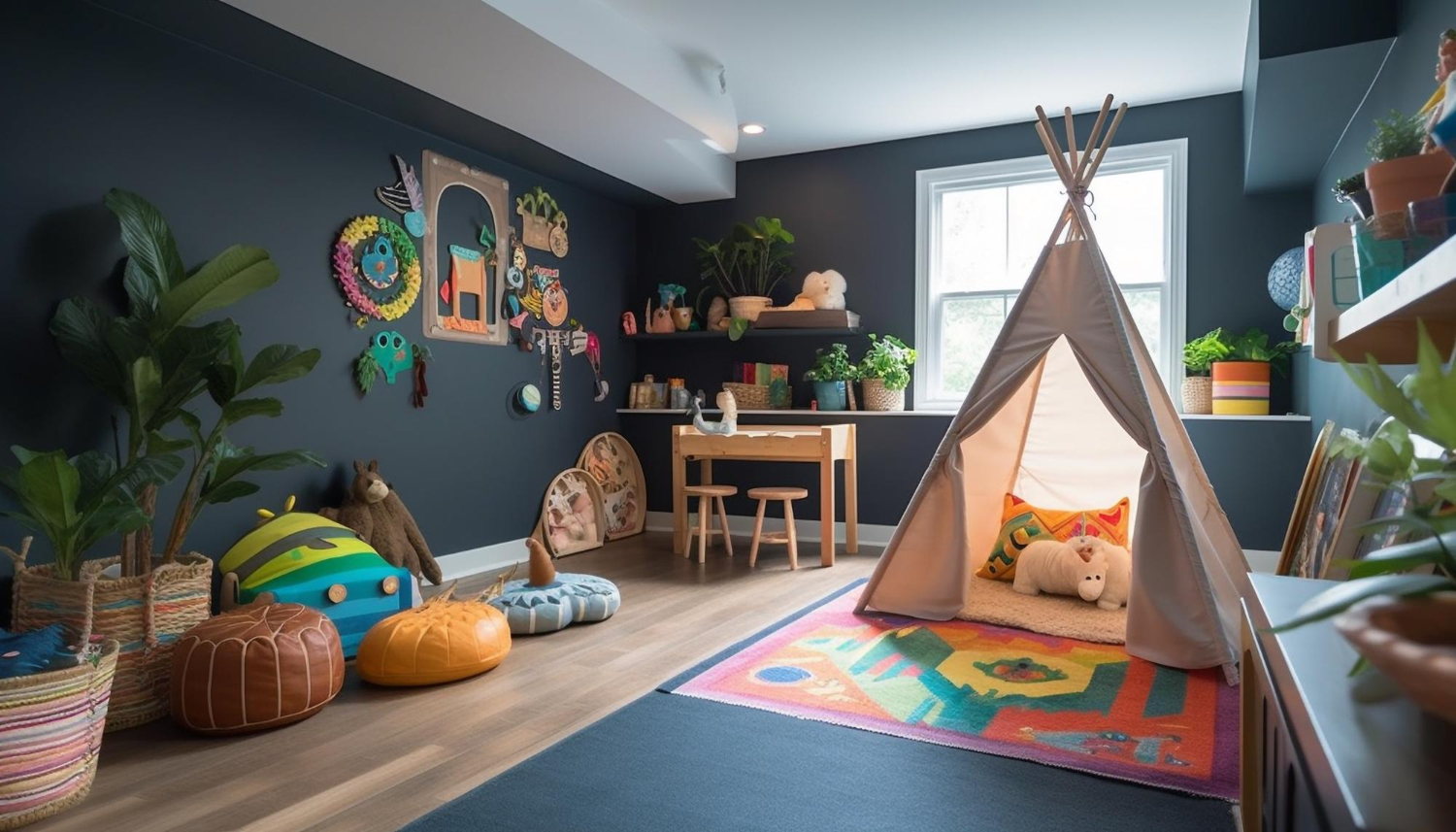
Every parent wants the same thing: a space where children can play freely, explore without fear, and build confidence in their own movements. A safe play space is not about padding the world with bubble wrap. It is about thoughtful design, smart choices, and creating an environment that lets kids be curious while you exhale knowing the fundamentals are covered.
Think of it as an invisible layer of support. When safety is built into the design, you no longer hover; you simply enjoy watching your child discover the world on their own terms.
1. Boundaries That Make Sense
Children thrive when they know the limits of their world. Boundaries are essential, but they should feel natural rather than restrictive. Hardware-mounted gates at staircases, anchored shelving, and furniture arranged to define space help establish a safe perimeter.
Boundaries are not barriers to fun. They are invitations to play within a zone that is protected. When a child knows where play begins and ends, they are free to focus on exploring instead of testing dangerous edges. Consistency is key here, because kids learn quickly when rules match their environment.
2. Surfaces That Cushion Falls
Every tumble is a learning moment, but the right surface can turn a big fall into a small lesson. Indoors, choose soft rugs, foam mats, or stable carpeting. Outdoors, materials matter even more. Surfaces like engineered wood fiber, rubber mulch, or poured-in-place rubber absorb impact better than concrete, asphalt, or grass.
The Centers for Disease Control and Prevention (CDC) highlights in its Playground Safety Tips for Parents that concussions are a major risk when children fall from equipment such as monkey bars, climbing frames, and swings. They emphasize that proper surfacing, guardrails, and fall-free zones can reduce the chances of concussion and other serious brain injuries.
A safe surface is not optional. It is the first line of defense when exploration turns into momentum. Regular checks for wear or compression ensure those surfaces remain reliable year after year.
3. No Sharp Edges or Pinch Points
Get on the floor at eye level with your child and look closely. That perspective reveals what adults often miss: exposed screws, sharp corners, or gaps where tiny fingers can get caught. Smooth all edges, add corner guards to tables, and anchor anything that could tip.
If a toy has a piece that wiggles or a seam that splits, it does not belong in the play zone. A safe space is only as secure as its smallest part. The goal is to create an environment where curiosity leads to learning, not injury.
4. Age Appropriate Zones That Evolve
The best play areas adapt as children grow. A baby needs soft surfaces and low, stable objects. A toddler seeks climbing challenges and push toys. A preschooler wants space for pretend play and building.
Create sections that evolve. For example, one corner can begin as a tummy time mat area, then shift to a reading nook as your child grows. Age appropriateness keeps exploration stimulating without inviting hazards. Designing with flexibility in mind makes the space last longer and saves you from costly overhauls.
5. Clear Sight Lines for Constant Connection
You should be able to see your child from any spot in the playroom or yard. Open layouts, low shelves, and clear partitions protect your ability to supervise. If you cannot reach your child within two steps, the space is too cluttered or too compartmentalized.
Supervision is one of the strongest predictors of injury prevention. The American Academy of Pediatrics (AAP) emphasizes that adults who can observe, anticipate, and respond quickly help reduce risks before they escalate. Explore AAP guidance on building safe environments.
Your child feels more confident when they sense you are nearby but not hovering. Open sight lines foster independence without compromising security.
6. Fewer Toys, Higher Quality Choices
Too many toys invite chaos. A cluttered floor is not just distracting; it increases the risk of tripping, choking, or broken parts going unnoticed. A safer strategy is fewer toys of higher quality, rotated regularly to keep interest alive.
Start with the foundation. A play mat for babies from Wunderkids provides a soft, safe base for exploration, tummy time, and early play. Add a handful of open-ended toys that encourage imagination and problem solving. Clear surfaces give children freedom and give you peace of mind.
This approach also teaches kids the value of focused play. When fewer toys compete for attention, creativity expands in surprising ways.
7. Routine Maintenance and Hygiene
Safety does not last without attention. Once a week, scan the space like an inspector. Tighten screws, test gates, replace broken toys, and refresh surfaces. Clean regularly with child-safe, non-toxic solutions to keep germs from building up.
This applies indoors as much as outdoors. Play mats, stuffed animals, and shared toys collect dust and bacteria over time. The American Academy of Pediatrics (AAP) notes that frequent cleaning and disinfecting in child spaces reduces illness and keeps environments safe for learning and play.
Maintenance is not glamorous, but it is what turns a safe design into a lasting one. When inspections and cleanings become part of your weekly rhythm, safety stops being a project and becomes a habit.
8. Emergency Readiness Built In
Even the best prepared play area cannot remove every risk. That is why readiness is part of safety. Keep a first aid kit within reach. Have your phone nearby. Teach older siblings how to share the space respectfully. Build in a calm retreat area; a soft chair or small corner where a child can regulate emotions when play becomes overwhelming.
Preparedness is not pessimism. It is confidence that whatever happens, you are ready. Practice simple routines like where to go during a power outage or how to signal for help. These small details make a major difference in real moments.
The Power of Design That Protects
When these eight non-negotiables are in place, you stop repeating constant warnings like “don’t touch that” or “watch out.” Instead, the environment itself whispers those reminders, leaving you free to enjoy the moment.
A safe play space is not about restriction. It is about creating a stage where your child can explore their limits within a world designed to protect them. Safety is not the opposite of fun. It is what makes the fun possible. When design does its job, joy becomes the natural outcome.