
What Are the Latest Biologic Treatments for Severe Eczema
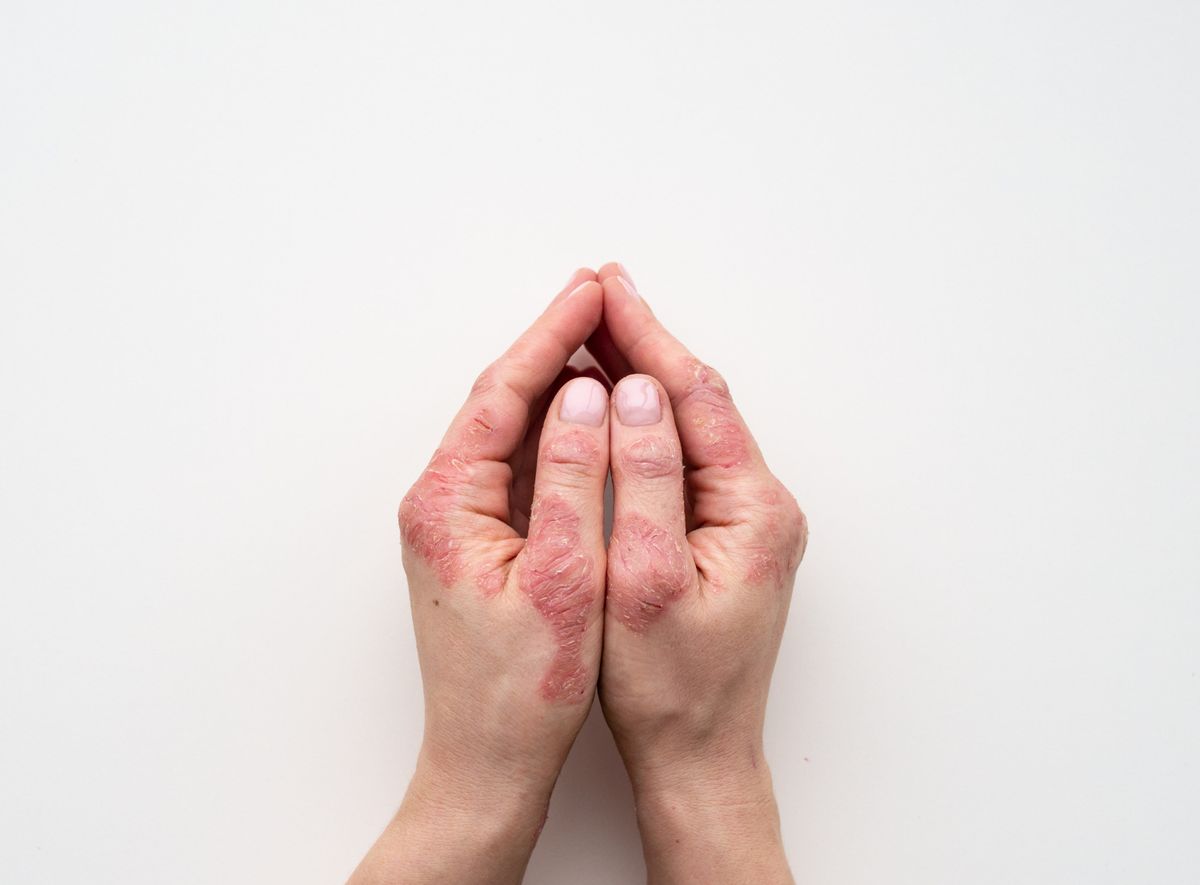
Are you struggling with eczema that doesn't respond to traditional creams and topical treatments? Biologic medications target specific proteins in your immune system that drive eczema inflammation, offering relief when traditional treatments fail.
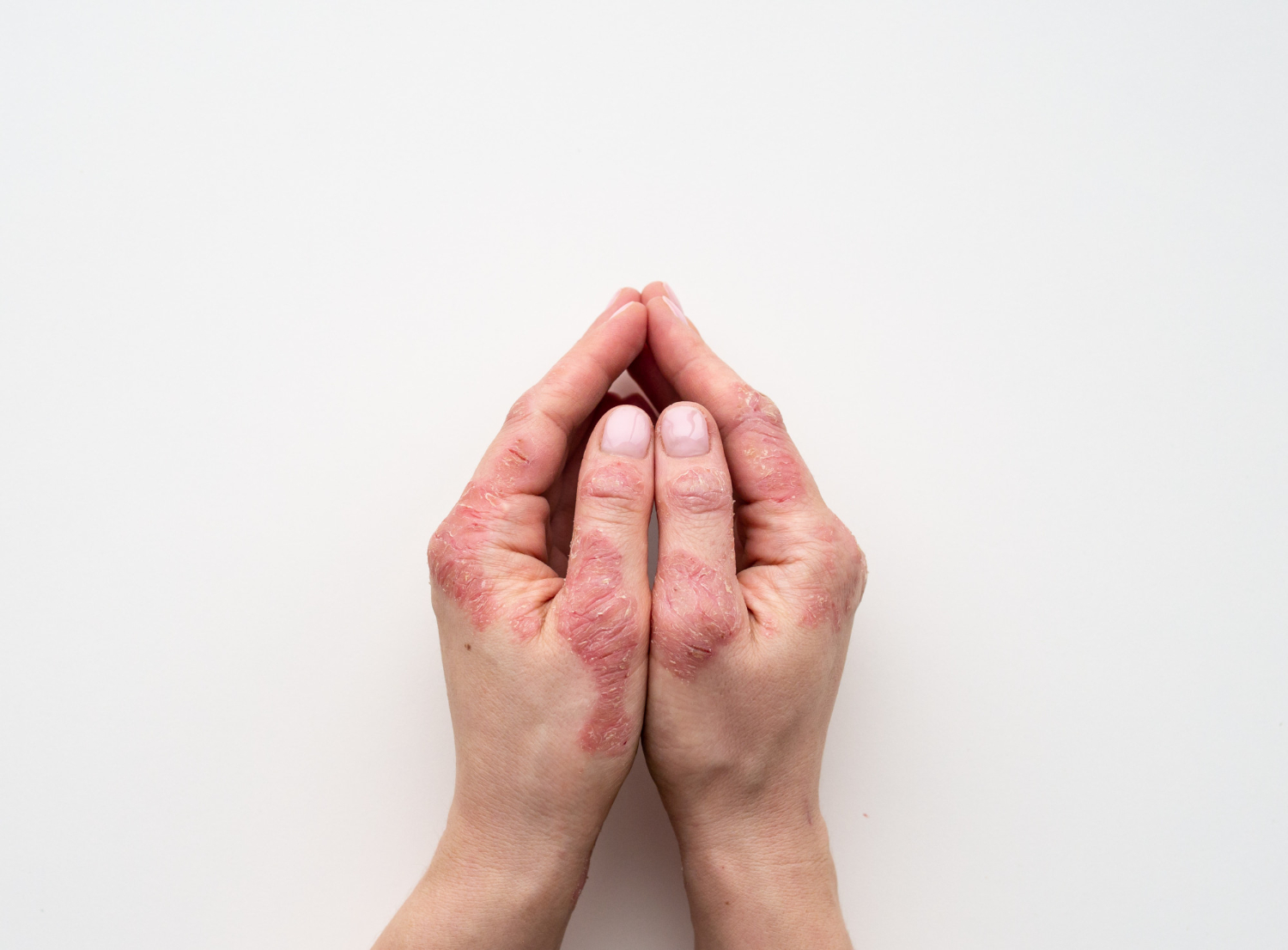
These injectable therapies work by blocking interleukin proteins or JAK pathways that trigger the intense itching, redness, and skin barrier dysfunction characteristic of moderate-to-severe atopic dermatitis. Unlike systemic immunosuppressants that broadly suppress immune function, biologics selectively interrupt the inflammatory cascade while preserving your body's ability to fight infections.
If you’re considering advanced treatment options, consult the best dermatologist Singapore eczema to determine whether biologic therapy is right for you.
The transition from managing eczema with topical steroids alone to incorporating biologics typically occurs when patients experience persistent symptoms covering significant body surface area despite consistent treatment. Your dermatologist evaluates candidacy through validated scoring systems like EASI (Eczema Area and Severity Index) or DLQI (Dermatology Life Quality Index), indicating significant quality of life impact.
Dupilumab
Dupilumab blocks interleukin-4 and interleukin-13 signaling—two proteins that orchestrate the allergic inflammation underlying atopic dermatitis.
The medication comes as a pre-filled pen or syringe containing 300mg, administered subcutaneously every two weeks following an initial 600mg loading dose. Clinical improvements typically emerge within 2–4 weeks, with many patients reporting reduced itching within the first week.
The injection technique and administration schedule should be determined by a healthcare professional. Rotating injection sites prevents lipodystrophy and maintains consistent absorption.
Common side effects include mild injection site redness or swelling and occasional conjunctivitis, which usually responds to lubricating drops. Regular monitoring includes eosinophil counts and checking for signs of parasitic infections in patients with relevant travel histories.
Tralokinumab (Adbry)
Tralokinumab specifically neutralizes interleukin-13, offering a more targeted approach.
- Initial dose: Four 150mg injections (600mg total) on day one
- Maintenance: 300mg every two weeks
- After 16 weeks: Possible reduction to every-four-week dosing for patients achieving clear or almost-clear skin
This biologic may benefit patients with elevated interleukin-13 levels. Response is assessed at week 16, continuing for those reaching EASI-75 (75% improvement).
Common side effects include mild upper respiratory tract infections, with lower rates of eye irritation compared to dupilumab—making it suitable for patients with ocular concerns.
JAK Inhibitors
Abrocitinib (Cibinqo)
Abrocitinib blocks the JAK1 pathway and is available in 100mg and 200mg daily oral doses.
The 200mg dose yields faster responses, though patients may step down to 100mg for maintenance once clear. Itch relief often occurs within 24–48 hours, making it a good option for acute flares.
Monitoring includes CBC, lipid panels, and cardiovascular risk assessment. Elderly patients or those with clotting risks require extra caution.
Temporary dose adjustments during flares offer flexibility not available with injectables.
Upadacitinib (Rinvoq)
Upadacitinib comes in 15mg and 30mg extended-release formulations taken once daily.
Most practitioners start at 15mg, increasing to 30mg if needed after 16 weeks. The extended-release form maintains steady blood levels, reducing flare-ups.
Patients over 50 or those with prior shingles may require zoster vaccination before starting. Screening for TB and hepatitis B/C is mandatory.
Gastrointestinal upset and mild acne may occur early but typically resolve within weeks.
Lebrikizumab and Nemolizumab
Lebrikizumab binds interleukin-13 with high affinity and shows promising Phase 3 results comparable to existing biologics. Injection site reactions appear minimal, potentially improving adherence.
Nemolizumab targets the interleukin-31 receptor, addressing itch directly rather than inflammation—ideal for patients with severe itching despite mild visible symptoms.
Both biologics are pending approval in Singapore. Patients may explore clinical trial enrollment through major hospitals offering regional studies.
Combination Therapy Approaches
Combining biologics with topical corticosteroids, calcineurin inhibitors, or phototherapy can enhance outcomes and reduce systemic exposure.
- Topicals: Proactive application prevents subclinical inflammation
- Phototherapy: Narrow-band UVB may complement biologic therapy
- Wet wrap therapy: Helps control flares during early treatment weeks
All combination approaches should be guided by a dermatologist to optimize timing and safety.
Monitoring and Follow-up Requirements
Baseline evaluation includes CBC, liver function tests, and screening for tuberculosis and hepatitis.
- JAK inhibitors: Lab work at weeks 4, 12, and every 12 weeks thereafter
- Injectable biologics: Less frequent monitoring after the initial period
Response tracking uses objective and patient-reported tools like:
- EASI (Eczema Area and Severity Index)
- POEM (Patient-Oriented Eczema Measure)
Supporting documentation for treatment continuation often includes photos, prior treatment failures, and quality of life scores.
Did You Know?
Biologics mimic natural antibodies your body produces to neutralize inflammatory proteins. Unlike traditional immunosuppressants, they target specific immune pathways, minimizing infection risks and long-term side effects.
Important Note
Biologics require temporary discontinuation before surgery.
- Dupilumab: Stop 6 weeks prior
- JAK inhibitors: Stop 1 week prior
The specific timing should be confirmed with your dermatologist.
What Our Dermatologist Says
Successful biologic therapy depends on individualized treatment selection. Dermatologists evaluate severity, patient lifestyle, and monitoring preferences before recommending an injectable or oral biologic.
Some patients prefer injectables for convenience, while others favor oral JAK inhibitors for faster action despite closer lab monitoring. The goal is aligning therapy with each patient’s lifestyle and comfort.
Putting This Into Practice
- Track your eczema patterns weekly through photos and diaries.
- Create an injection routine with proper site rotation and care.
- Schedule regular blood tests with reminders to stay compliant.
- Establish flare management plans with your dermatologist.
- Use eczema tracking apps to generate progress reports for clinic visits.
When to Seek Professional Help
- Eczema covering >10% of body surface area
- Frequent sleep disruption due to itching
- Recurrent skin infections needing antibiotics
- Impact on work or school performance
- Excessive topical steroid use (>500g/month) without control
- Development of steroid-related eye problems
- Emotional distress or anxiety due to skin disease
Commonly Asked Questions
How long do I need to stay on biologics?
Most patients require ongoing therapy to maintain remission. Symptoms usually return within weeks of discontinuation.
Can I get vaccines while on biologics?
Live vaccines are avoided, but inactivated ones (like flu and COVID-19) are safe and recommended.
Will biologics weaken my immune system?
Not significantly. Minor infections may occur slightly more often, but serious infections are rare.
Can biologics be used during pregnancy?
Dupilumab appears safe based on current data. JAK inhibitors should be discontinued before conception. Always discuss with both dermatologist and obstetrician.
Conclusion
Biologic treatments for eczema represent a major advancement, providing targeted relief for patients unresponsive to conventional therapies.
If you experience severe eczema, persistent itching, or frequent infections despite topical treatments, consult an MOH-accredited dermatologist to evaluate your suitability for biologic therapy.