

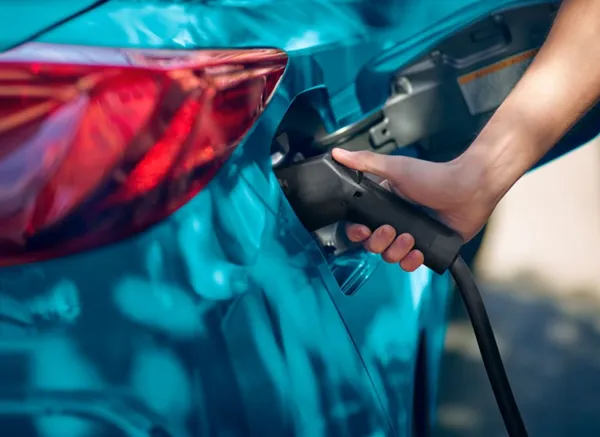
South Jersey's office parks and retail centers are seeing an increasing demand for convenient and reliable electric vehicle charging stations. The best EV charging solutions for these properties seamlessly integrate Level 2 and Level 3 charging infrastructure to meet the needs of both daily commuters and visitors, while supporting future growth in EV adoption. Installing electric vehicle charging stations in South Jersey can help attract tenants, increase foot traffic, and align properties with sustainability goals.
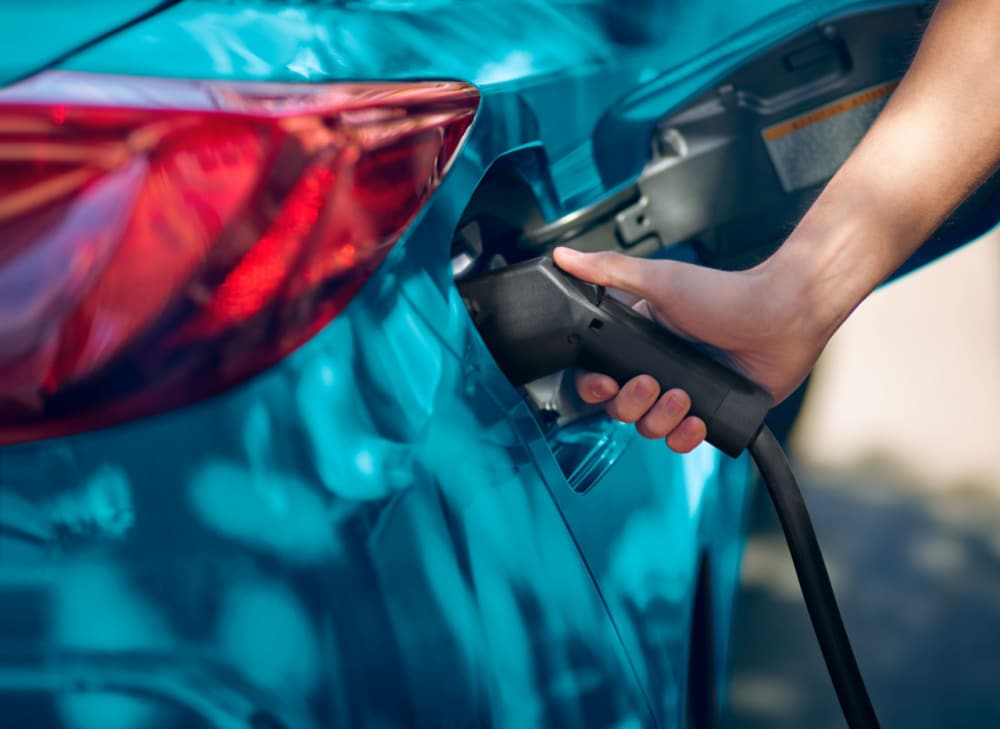
Modern office parks and retail centers benefit not only from offering charging amenities but also from enhanced property values and tenant satisfaction. Public and workplace charging options, tailored to the property's specific usage, give South Jersey businesses a competitive edge while supporting eco-friendly initiatives.
Key Takeaways
- Advanced charging solutions are crucial for office parks and retail centers.
- Strategic EV infrastructure boosts property appeal and value.
- South Jersey businesses benefit from adopting electric vehicle charging stations.
Optimal EV Charging Solutions for Office Parks and Retail Centers
Selecting the right EV charging infrastructure for office parks and retail centers in South Jersey means considering provider reputation, technology options, and practical site integration. Key decision points include choosing the best commercial providers, understanding what features impact user experience, and evaluating charger types based on usage patterns.
Top Commercial EV Charging Station Providers
Prominent commercial EV charging station providers serve both large and small business needs. ChargePoint stands out for its broad range of Level 2 and DC fast chargers, advanced management software, and strong reliability record. Other known brands include Blink Charging, EVgo, and Electrify America, each offering scalable solutions for high-traffic retail and office environments.
Most leading vendors offer centralized platforms for monitoring energy use, user access, and maintenance alerts. Providers often bundle warranty, onsite support, and remote diagnostics, which simplifies operations for property managers. It’s important to select a vendor with a proven track record in commercial deployments and responsive customer service.
Essential Features: Charging Speed, Reliability, and Integration
Commercial sites should prioritize chargers that balance speed with reliability. Consistent uptime and fast charging are essential for businesses seeking to attract EV drivers and retain tenants. Level 2 chargers typically provide 6-10 kW, suitable for employees and shoppers with longer dwell times, while DC fast chargers deliver 50 kW or more for quicker sessions.
Integration with property management systems and payment processing streamlines administration. Networked solutions allow for real-time status updates, scheduling, and remote troubleshooting. Service plans and monitoring are crucial—frequent maintenance minimizes downtime and protects tenant satisfaction. Compatibility with multiple vehicle makes and charging standards ensures broad usability.
Selecting Between Level 2 and DC Fast Chargers
Level 2 chargers are ideal for office parks and retail centers where vehicles are parked for several hours. They offer balanced charging times and lower installation and energy costs per unit. This makes them practical for commuter lots, employee parking, and shopping destinations.
DC fast chargers are best suited for locations expecting high turnover or short visits, such as convenience stops, quick-service retail, or locations close to major roads. While they have higher installation costs, they enable rapid charging—often 80% battery in 30-45 minutes. A mixed approach—installing both charger types—lets property managers meet diverse user needs and support growing EV adoption.
Benefits and Strategic Impact of EV Charging Infrastructure
Adding EV charging stations to office parks and retail centers in South Jersey delivers concrete benefits for businesses, tenants, and visitors. These advantages range from significant improvements in sustainability and emissions reduction to enhanced real estate appeal and a better experience for both employees and customers.
Sustainability and Carbon Emissions Reduction
Installation of EV charging infrastructure directly supports sustainability efforts in commercial buildings by enabling more widespread adoption of electric vehicles. EVs produce zero tailpipe emissions, which helps reduce overall carbon output from commuting and shopping trips. This reduction aligns with local and state goals for cleaner air and lower greenhouse gas levels. For properties using sustainable energy sources, charging stations can further reduce their environmental impact.
Governments and municipalities increasingly offer incentives for commercial properties that invest in sustainable energy solutions like EV chargers. These incentives may include tax credits or grants, contributing to both immediate savings and long-term operational benefits. Strategic placement and smart charging options also help optimize electricity use, easing pressure on local grids.
Enhancing Property Value and Corporate Image
Commercial properties equipped with EV charging stations often see a rise in real estate value and desirability. Retail centers and office parks with chargers tend to attract higher-quality tenants, particularly companies committed to sustainability. A visible investment in EV infrastructure signals forward-thinking property management and a willingness to support modern transportation trends.
Adding charging options can also differentiate a site from competing properties. This building feature is frequently highlighted in real estate marketing materials to appeal to environmentally conscious investors, tenants, and visitors. Corporate image improves as businesses are associated with sustainable energy and decarbonization initiatives.
Conclusion
Office parks and retail centers in South Jersey have a growing opportunity to support EV adoption while increasing property appeal. Offering Level 2 and DC fast charging stations helps meet the diverse needs of employees, customers, and tenants.
Strategic placement and thoughtful partnerships can boost occupancy, customer dwell time, and business visibility. Providing reliable charging solutions also aligns with environmental, social, and governance (ESG) goals, strengthening the reputation of facilities.
By addressing infrastructure, usage patterns, and access, decision-makers can create an efficient EV charging experience. The right approach ensures locations are prepared for future demand and shifting transportation trends.