

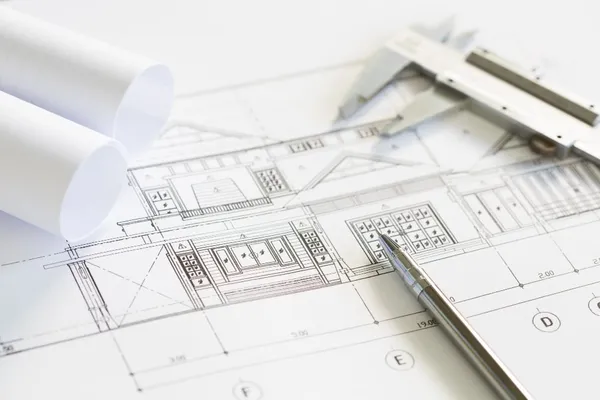
Building use no longer stays fixed. Tenants shift layouts, power demand grows, and new tech arrives faster than design cycles. Architects who anticipate this churn by embedding adaptable systems—overhead busways, plug-ready ceilings, modular tracks—reduce disruption when changes come.
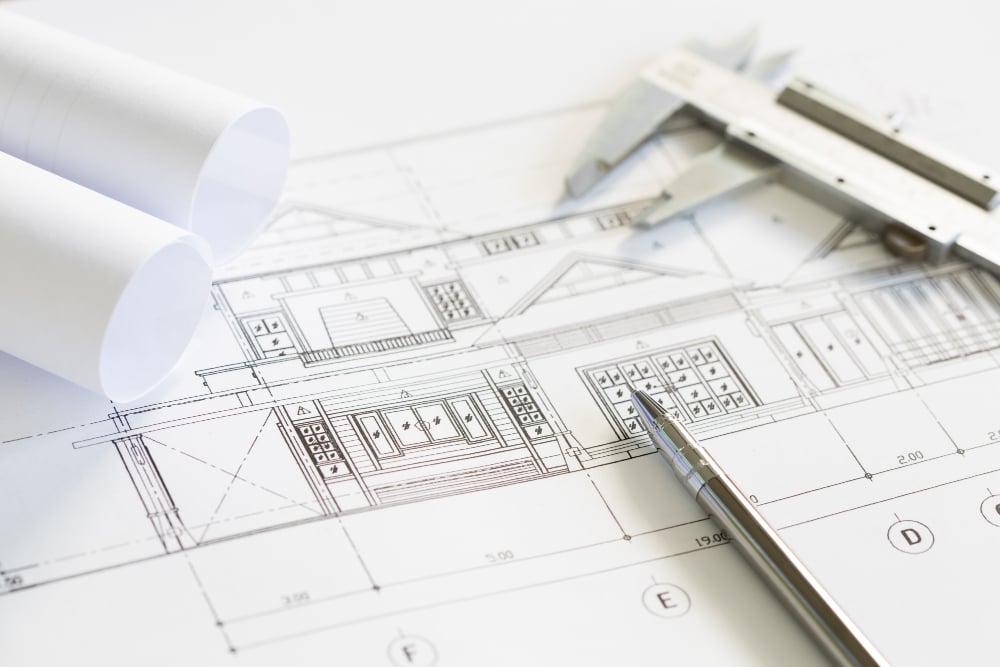
Flexible power and distribution not only protect finishes but also help projects run smoother under tight schedules and rising tenant expectations.
The demand for adaptable infrastructure comes from hybrid work, electrification, and faster tenant turnover. Owners want layouts that reconfigure quickly, minimize downtime, and preserve material quality. Embedding flexibility from the start lowers lifecycle costs and simplifies fit-outs, while giving designers freedom for cleaner ceilings and open plans. Designing for change has become less an option than a baseline expectation.
Infrastructure That Responds to Client Demands
A discrete run of power busway systems above a ceiling creates accessible feed points across a floorplate for power, lighting and data runs. Modular overhead tracks and plug-ready fixtures let tenant teams shift workstations or add equipment without chasing electricians. That reduces downtime, cuts punch-list returns, and keeps finishes intact while owners refresh spaces more often.
Specifying capacity zones and accessible junctions simplifies future tenant fit-outs and lowers lifecycle fuss. Centralized risers feeding flexible trunking make load balancing and future upgrades straightforward, improving safety and handover speed. A practical move is placing busway feed points at one-in-three grid lines to slash rewiring during reconfigurations.
Reduced Construction Effort and Lifecycle Costs
A jobsite with fewer cable runs shows how upfront choices save months of labor. Specifying busway distribution and prefabricated ceiling modules cuts conduit, junction boxes, and onsite wiring hours, reducing trade coordination needs and compressing schedules. Reduced punch lists and faster turnover lower soft costs and make lifecycle budgets more predictable by trimming maintenance touchpoints and electrical trades' return visits.
Owners appreciate proposals that quantify total cost of ownership, showing lower installation labor, clearer maintenance routines, and reduced tenant fit-out bills. Those quantified savings often tip selection panels. Specifying projected trade-hours saved per 1,000 square feet and placing busway endpoints about every 12 feet reduces future rewiring and supports stronger bids.
Expanded Creative Freedom in Spatial Design
A wide, uninterrupted ceiling plane changes how rooms feel; exposed overhead busways and integrated service tracks lift power and data away from walls and floors, letting partitions float and sightlines extend. Designers gain room to compose large, flexible zones—continuous light lines, suspended acoustical baffles, and movable coreless work bays become practical without invasive rewiring. That freedom suits wide-span meeting rooms, flexible retail displays, and airy studios.
Clean ceilings with embedded lighting and plug-in rails reduce visual clutter and keep finishes intact, supporting crisp, contemporary layouts. An effective habit is marking busway endpoints on reflected-ceiling plans at furniture-module intersections so tenant moves stay quick and simple.
Stronger Alignment With Safety and Regulatory Standards
A tenant trips over a power cord during move-in; inspectors note exposed penetrations and improvised junctions. Safety and compliance are non-negotiable, so centralized busway systems cut dependence on floor cords and ad hoc fittings, lowering trip hazards and making code checks simpler. Consolidated distribution improves labeling and disconnect access, plus thermal monitoring, reducing liability and smoothing handovers.
Modular systems localize load management: breakers, taps, thermal sensors sit where loads concentrate, cutting overloads and speeding isolation. Sealed connectors and clear riser diagrams shorten inspections and lower retrofit work. A spec is busways with integrated thermal sensors and accessible breaker taps, which cuts overheating risk and eases approvals for the next tenant.
Competitive Edge in Winning Projects and Clients
Track records for adaptable spaces sway selection panels. Proposals that include case studies of rapid reconfigurations, clear service-zone diagrams and projected downtime reductions stand out. Clients from co-working operators to retail pop-ups favor buildings that promise quick changeovers. Firms that present measurable flexibility—refit timelines, plug-and-play layouts—win more bids and broaden their tenant mix.
Investors notice too. Shorter vacancy periods and lower fit-out costs lift net operating income and resale value. Aligning design specs with investment metrics makes it easier to justify premium rents. One useful metric is a tenant-ready turnaround target under 72 hours, which helps clarify benefits for owners and keeps the conversation moving.
Technology flexibility in design is more than convenience—it’s a long-term advantage for architects and owners alike. Modular busways, plug-ready ceilings, and accessible junctions reduce downtime, cut costs, and simplify future fit-outs. These systems also create safer environments and unlock creative freedom in layouts. Quantifying time and lifecycle savings strengthens proposals and attracts investors by showing clear returns. Firms that design with adaptability at the core deliver spaces that perform today and stay competitive tomorrow. The opportunity is clear: specify flexible distribution now and lead in building projects that are ready for constant change.