
The Rise and Revolution of Synthetic Ice Rinks

Key Takeaways
- Synthetic ice allows year-round skating without refrigeration.
- It offers a cost-effective and environmentally friendly alternative to traditional ice rinks.
- Technological advancements have significantly improved the skating experience on synthetic surfaces.
The Rise of Synthetic Ice Rinks
Ice skating is a much-loved activity around the world, yet traditional rinks are usually confined to colder seasons and come with high operational costs. The concept of synthetic ice addresses these challenges by enabling ice skating in any environment, regardless of climate or season. These innovative rinks are composed of high-density polyethylene panels that can be installed indoors and outdoors, adding flexibility and accessibility for both communities and athletes.
By sidestepping the need for freezing temperatures, synthetic ice rinks transform underutilized spaces into vibrant community hubs or sports training venues. Skaters of all levels can now practice their moves year-round without being bound by changing weather or the expensive maintenance required for natural ice. This new era of ice skating brings children, beginners, and elite athletes together for year-round enjoyment and skill development.
Benefits of Synthetic Ice
Adopting synthetic ice rinks brings a host of advantages. One leading benefit is the positive environmental impact. Unlike traditional rinks that rely on energy-intensive refrigeration systems to keep the ice frozen, synthetic rinks significantly reduce overall energy use, thus lowering carbon emissions. They also save large volumes of water, a resource often overlooked in rink maintenance. This aligns with the growing demand for sustainable recreational facilities in many communities today.
Furthermore, the reduction in operating costs provides a significant financial incentive for institutions, sports facilities, and even individuals interested in private rinks at home. Less reliance on complex mechanical systems means fewer breakdowns and lower maintenance fees, contributing to a more nimble and accessible ice sport industry.
Technological Advancements Enhancing Performance
Early users of synthetic ice noted a challenging difference in glide and friction compared to real ice. Modern synthetic ice, however, has seen significant improvements due to the incorporation of self-lubricating polymers during manufacturing. These enhancements ensure a gliding motion that closely rivals the feel of traditional ice, making it an effective platform for both recreational skating and rigorous professional training.
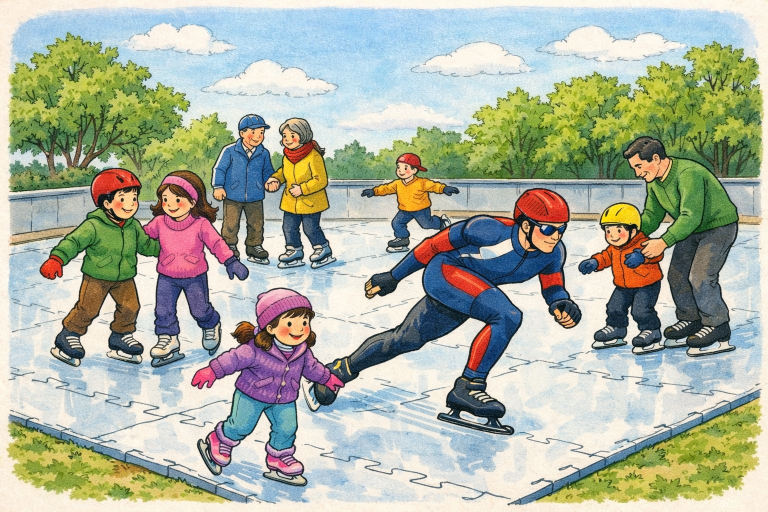
Professional athletes and trainers now view synthetic rinks as a reliable tool for off-season development. With improved surface technology, skaters and hockey players can practice essential techniques such as stopping, turning, and shooting without the constraints or unpredictability of natural ice. For more on the advancement of these materials and their growing presence in athletics, refer to reports published by Sports Business Journal.
Expanding Access to Ice Sports
Regions with warmer climates or limited infrastructure for ice maintenance have long been left out of the ice sports landscape. Synthetic ice rinks break down these barriers, allowing local governments, recreational centers, and private clubs to introduce skating programs to places where year-round ice used to seem impossible. As a result, cities worldwide now offer a wider array of ice sports, from figure skating to youth hockey, growing both participation and local enthusiasm.
This expanded access not only fuels community engagement but can also foster greater diversity in talent pools for national and international competitions. Turnkey installation and simple maintenance allow more schools, gyms, and even malls to participate in the growing trend. For further reading on the global impact of synthetic rinks, review resources from Sports Business Journal.
Considerations for Installation and Maintenance
Successful synthetic ice installations depend on proper assembly and regular upkeep. Panels must be precisely locked together to ensure a seamless surface; even slight misalignments can disrupt the skating experience. Cleaning is equally vital, as dust and debris may accumulate on the panels, affecting glide. Most skaters will notice a subtle difference from natural ice, often described as a slightly heavier push, but most report acclimation after a few practice sessions.
To maximize lifespan and performance, facilities are encouraged to use recommended maintenance routines, which may include using surface-cleaning machines, periodic panel replacements, and strict operational protocols during heavy-use periods. Many synthetic ice providers also offer training and technical support to ensure facility staff are equipped to care for their investment. Investing in proper maintenance not only preserves the rink's quality but also extends the life of the panels, resulting in lower long-term costs and consistent skating satisfaction for users.
Real-World Applications and Success Stories
Stories of successful synthetic rink installations continue to surface from all corners of the world. Community centers have reinvented their programming, converting vacant areas into all-season rinks that generate new revenue streams and increase visitor engagement. Schools and sports academies now schedule uninterrupted training programs, giving athletes the chance to sharpen their skills year-round.
Moreover, portable panels enable pop-up rinks at festivals, charity events, and even corporate gatherings, ensuring ice skating is never out of season. These examples illustrate how synthetic ice maximizes facility use while simultaneously nurturing both grassroots participation and elite athletic development. In addition, partnerships between local governments and private firms have often resulted in grants and subsidies for synthetic rink installations, further promoting accessibility in urban and rural communities alike.
The Future of Skating with Synthetic Ice
Ongoing technological innovation will likely drive the next phase of growth in the synthetic ice industry. Future panels are expected to offer even smoother glides, easier installations, and customizability to fit any size or configuration. As costs continue to drop and quality rises, global adoption of synthetic rinks will make ice sports accessible to an even broader audience. Ultimately, synthetic ice is redefining the boundaries of what is possible in skating, transforming both industry expectations and individual participation worldwide.
With the world increasingly focused on sustainability, accessibility, and year-round options, synthetic ice positions itself as the standard bearer for the future of skating, providing more people with the opportunity to enjoy this timeless and exhilarating activity. As innovation continues, we can expect even more creative uses for these rinks in entertainment, therapy, and fitness, ensuring synthetic ice will remain relevant and valuable for generations to come.