


On this page
When a movie starts trending on Amazon Prime and parents suddenly start Googling “Is this OK for teens?”, it’s usually for a reason.
The Idea of You stars Anne Hathaway as a 40-year-old single mom who unexpectedly falls for a much younger pop star. It’s romantic, glossy, emotional — and very clearly not made with kids in mind.
If you’re a mom or dad wondering whether this is something your teen can watch (or if you’ll be side-eyeing the TV the whole time), here’s the honest, no-nonsense breakdown.
Quick Parents Guide Verdict (TL;DR)
- Official rating: 15+ (Amazon / Common Sense Media)
- Recommended by this dad: 16+ with parental discretion
- Is it steamy? Yes — suggestive, but not explicit
- Watch together or separately? Older teens may watch solo; younger teens will likely make it awkward
- Big themes: Age-gap romance, sexuality, fame, online harassment, emotional vulnerability
What Is The Idea of You About? (No Spoilers)
Solène is a divorced, 40-year-old mom and art gallery owner who unexpectedly meets Hayes, a 24-year-old singer in a wildly popular boy band, during a trip to Coachella with her teenage daughter.
What starts as an awkward encounter quickly turns into a full-blown romance — complete with travel, secrecy, intense chemistry, and the unavoidable pressure that comes with dating someone famous.
At its core, the film isn’t just about romance — it’s about how society reacts, especially when the woman in the relationship is older.
Why Is The Idea of You Rated 15+?
This rating isn’t about violence or horror. It comes down to adult intimacy, strong language, and mature themes that aren’t designed for younger viewers.
Here’s what parents should know before hitting play.

Sexual Content & Nudity
This is the main reason parents pause.
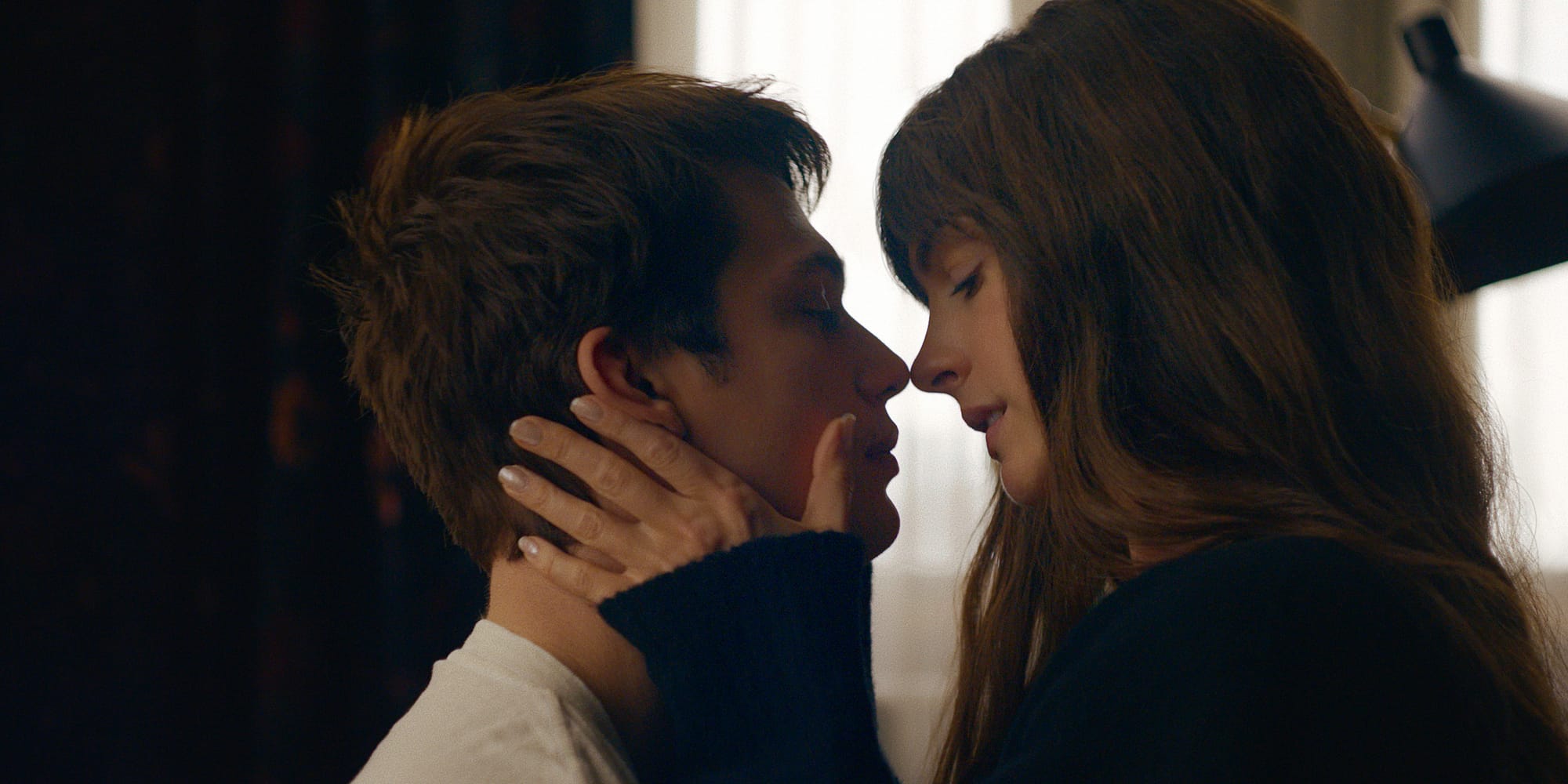
- Frequent passionate kissing
- Undressing and removal of undergarments
- Touching and implied sexual activity
- Fade-to-black sex scenes
There is no graphic nudity, but the scenes linger and clearly focus on adult desire and intimacy.
Dad take:
This isn’t something I’d want popping up while my 13-year-old is on the couch. Older teens will understand what’s happening, but younger viewers may feel uncomfortable or overly curious.
Language
The movie contains frequent strong language, including:
- Sexual slang
- Explicit terms
- Casual profanity throughout
It’s not nonstop, but it’s present enough to matter for parents trying to limit exposure.
Alcohol, Drugs & Smoking
- Adults drink alcohol socially
- References to being drunk
- Jokes about substances, including gummies
Nothing instructional or glorified, but the environment is clearly adult-oriented.
Violence, Harassment & Emotional Intensity
There’s no physical violence, but emotional harm plays a big role.
- Online bullying and public shaming
- Paparazzi harassment
- Social media pile-ons
- Judgment aimed mostly at the female lead
This aspect of the film can be emotionally heavy and may stick with younger viewers.
 Colby
Colby
Mature Themes Parents Should Know About
This movie opens the door to real conversations:
- Large age-gap relationships
- Power dynamics and public perception
- Double standards for women vs. men
- Fame, privacy, and social media cruelty
- Sexual agency later in life
These aren’t negative themes, but they are grown-up ones.

Is The Idea of You Appropriate for Teens?
Here’s a realistic age-based breakdown:
Under 15
Not recommended.
Too much adult intimacy and emotional complexity.
Ages 15–16
Depends on maturity.
Some teens will handle it fine; others may focus only on the sexual elements.
Ages 17+
Generally appropriate.
Especially for teens already comfortable with PG-13 and mature romance films.
 Colby
Colby
A Dad’s Take
This isn’t a reckless or trashy movie — but it’s also not innocent.
What stood out most wasn’t the romance itself, but how the film shows public judgment, especially toward mothers. Solène isn’t criticized for being careless — she’s criticized for wanting something for herself.
That message can be powerful, but it also requires emotional maturity to process.
For older teens, this film can spark conversations about consent, fame, and double standards. For younger ones, it’s probably better saved for later.

Frequently Asked Questions
Is The Idea of You steamy?
Yes. It’s sensual and suggestive, but not explicit.
Does The Idea of You show sex?
Sex is implied through kissing, undressing, and fade-to-black scenes. No graphic visuals.
Why is The Idea of You rated 15+?
Because of sexual content, strong language, and mature relationship themes.
Can teens watch The Idea of You with parents?
Older teens, yes. Younger teens may find it awkward or confusing.
Final Verdict From a Dad
The Idea of You is a well-made, emotionally driven romance — but it’s not a family movie night pick.
For older teens, it can be meaningful and thought-provoking. For younger viewers, it leans too adult in tone and content.
As always, trust your instincts — and don’t feel bad saying, “We’ll watch that one later.”