
On this page
Finding the right steam iron for clothes can transform your wardrobe maintenance routine from a dreaded chore into a quick, efficient task. Whether you're preparing for an important meeting, refreshing your favorite dress, or maintaining crisp dress shirts, the right iron makes all the difference. With countless models on the market ranging from basic budget options to professional-grade appliances, understanding what features truly matter will help you make an informed decision.
In this comprehensive guide, we'll break down everything you need to know about steam irons, from essential features to expert buying tips, so you can choose the perfect iron for your needs.
Why Steam Power Is the Foundation of Great Ironing
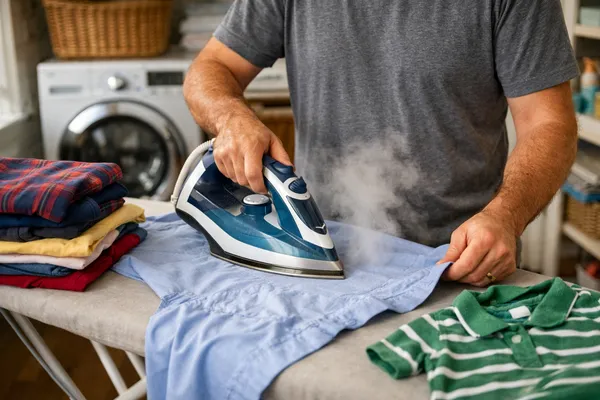
The steam output of your iron is arguably its most critical feature. A high-wattage iron—typically between 1,500 and 2,000 watts—provides faster heating and more consistent, dense steam production. This powerful steam penetrates deep into fabric fibers, making quick work of even the most stubborn wrinkles.
Think of steam as the muscle behind wrinkle removal. While dry heat can smooth some fabrics, steam actually relaxes the fibers, allowing them to reshape more easily. Professional garment care facilities rely on powerful steam systems for this exact reason—it's simply the most effective method for achieving crisp, professional results.
When shopping for a steam iron, look for models that clearly specify their wattage and steam output rate (usually measured in grams per minute). Higher numbers translate to better performance, especially if you regularly iron thicker fabrics like denim or linen.
Soleplate Material: Your Iron's Foundation
The soleplate—the flat surface that contacts your clothes—determines how smoothly your iron glides and how evenly heat distributes. The material matters more than you might think.
Ceramic Soleplates
Ceramic-coated soleplates offer excellent heat distribution and a smooth gliding action. They're less likely to snag delicate fabrics and are relatively easy to clean. Many mid-range to premium irons feature ceramic soleplates because they provide a good balance of performance and durability.
Stainless Steel Soleplates
Stainless steel is the workhorse material for soleplates. It's extremely durable, resistant to scratching, and retains heat well. While it may require a bit more effort to clean than ceramic, stainless steel soleplates can last for years with proper care. This material is popular in both budget-friendly and professional-grade models.
Titanium Soleplates
Titanium-infused or titanium-coated soleplates represent the premium end of the market. They combine exceptional durability with superior scratch resistance and excellent heat distribution. If you iron frequently or handle heavy-duty fabrics, a titanium soleplate is worth considering.
The Precision Tip Advantage
Beyond material, soleplate design is crucial. Look for irons with a pointed, precision tip. This feature allows you to navigate around buttons, iron between seams, and tackle collar points with ease. Many users cite the precision tip as one of the most useful design elements in their daily ironing routine.
Essential Safety Features You Shouldn't Compromise On
Modern steam irons come with several safety features that protect both you and your clothes. The most important of these is automatic shut-off technology.
Look for irons that automatically shut off within 30 seconds when left face-down on the ironing board and within 15 minutes when left upright or on their heel. This feature provides peace of mind if you're interrupted mid-ironing or accidentally leave your iron on after finishing.
Some premium models also include motion sensors that detect when the iron hasn't moved for a certain period, adding an extra layer of protection. While this might seem like overkill, the safety and potential fire prevention benefits are invaluable.
Finding the Right Balance: Weight and Comfort
The weight of your iron affects both its performance and your comfort during use. This is where personal preference plays a significant role.
Heavier irons can be more effective at pressing stubborn wrinkles because their weight helps flatten fabrics. However, if you're ironing large loads or have any wrist or arm discomfort, a lighter, well-balanced iron will serve you better in the long run.
Pay attention to the handle design as well. A comfortable, ergonomic grip with a soft-touch coating reduces hand fatigue. Some models feature textured grips that prevent slipping, which is especially helpful when your hands get warm during extended ironing sessions.
If possible, hold the iron before purchasing (or check return policies if buying online). What feels comfortable for a five-minute test might become tiresome after half an hour of actual use.
Water Tank Capacity: Less Interruption, More Efficiency
The size of the water tank directly impacts how long you can iron before needing a refill. For occasional users ironing just a few items, a smaller tank might suffice. But if you regularly tackle large laundry loads or iron for your entire family, a larger water reservoir becomes essential.
Look for tanks with a capacity of at least 300ml for general use, though 400ml or more is preferable for frequent ironing. Many modern irons feature transparent water tanks that let you see the water level at a glance, preventing the frustration of running dry mid-garment.
Consider the ease of filling as well. Some irons have large openings that accommodate water directly from the tap, while others require more careful pouring. A few premium models even allow refilling while the iron is hot, which can be a major time-saver during extensive ironing sessions.
Preventing Water Stains and Mineral Buildup
Anti-Drip Technology
Few things are more frustrating than water spots on freshly ironed clothes. Anti-drip technology prevents water from leaking through the steam vents when the iron hasn't reached optimal temperature. This feature is particularly important if you adjust temperature settings frequently for different fabrics.
Quality anti-drip systems work by controlling the water flow to the heating element, ensuring that only properly heated steam exits the vents. This not only protects your clothes but also makes the ironing process more efficient.
Anti-Calc and Self-Cleaning Functions
If you use tap water in your iron (which most people do), mineral deposits will eventually build up inside. An integrated anti-calc system or self-cleaning function is essential for maintaining your iron's performance and longevity.
Some irons feature removable anti-calc cartridges or rods that you can clean or replace periodically. Others include a self-cleaning mode that flushes out mineral deposits with a burst of steam. These features might seem minor, but they can extend your iron's lifespan by years and prevent the frustration of clogged steam vents.
Cord Considerations: Length and Flexibility
The power cord often gets overlooked in iron comparisons, but it significantly affects your ironing experience. A longer cord (at least 8 feet) provides greater flexibility in positioning your ironing board relative to electrical outlets.
Look for a 360-degree pivoting cord attachment. This design prevents the cord from tangling as you move the iron back and forth, making the ironing motion smoother and more natural. Some users find this feature so convenient that they won't consider irons without it.
Cordless irons offer ultimate freedom of movement and are worth considering if you value flexibility over continuous power. Just be aware that cordless models need to be returned to their charging base periodically to maintain temperature, which can interrupt your workflow.
Vertical Steam: Beyond the Ironing Board
The ability to steam garments while they hang is one of the most appreciated features in modern steam irons. Vertical steam functionality allows you to freshen up suits, dresses, and curtains without taking them down or laying them flat.
This feature is particularly valuable for delicate fabrics that might be damaged by direct contact with a hot soleplate, or for items that are difficult to iron flat, such as pleated skirts or beaded garments. Many users report using vertical steam for quick touch-ups before heading out the door, making it a genuine time-saver.
When evaluating this feature, check if the iron can maintain steam output in a vertical position. Not all irons marketed with vertical steam capability perform well in actual use—some dribble or produce weak steam when held upright.
Making the Right Choice for Your Needs
Choosing a steam iron for clothes ultimately comes down to matching features with your specific ironing habits and needs. Here's how to narrow down your options:
-
If you iron occasionally (once a week or less), focus on ease of use and safety features. A mid-range iron with automatic shut-off and a ceramic soleplate will serve you well without breaking the bank.
-
For frequent ironing (several times per week), invest in higher wattage (1,800+ watts), a larger water tank, and premium soleplate material. The time saved and better results justify the higher price.
-
If you handle delicate fabrics or diverse materials, prioritize precise temperature control, vertical steam capability, and anti-drip technology.
-
For those with limited mobility or wrist concerns, weight and ergonomics should be your primary considerations. Test the iron's weight and grip before committing to a purchase.
-
If you have hard water, don't compromise on anti-calc features. The long-term maintenance benefits far outweigh any initial cost differences.
Final Thoughts
The best steam iron for clothes is one that makes your ironing routine efficient, safe, and even somewhat enjoyable. While it's tempting to simply choose the cheapest option or the one with the most features, taking time to consider which features align with your actual needs will lead to a much more satisfying purchase.
Remember that a quality iron is an investment that should last several years. Prioritize build quality, essential features that match your usage patterns, and a manufacturer with good customer service and warranty support. With the right steam iron in hand, you'll wonder how you ever managed with your old model—and your clothes will look better than ever.