
Teaching Kids Probability: Lessons from Classic Games That My Family Learned About Math
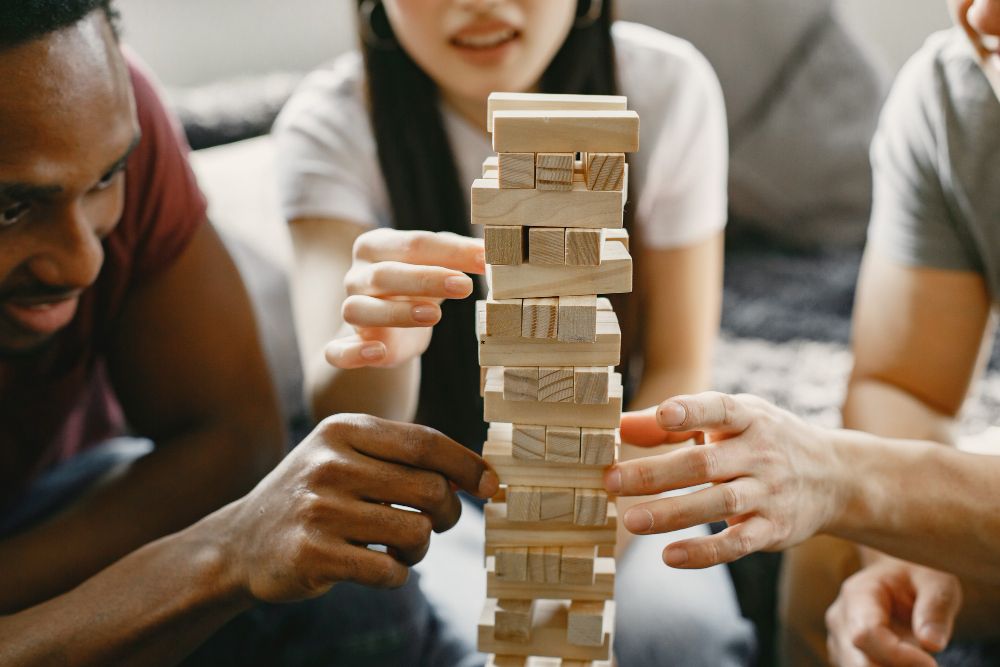
Classic games have a unique way of blending fun with learning, making them perfect tools for teaching kids about probability. From rolling dice to drawing cards, these games introduce essential mathematical concepts in an engaging manner.
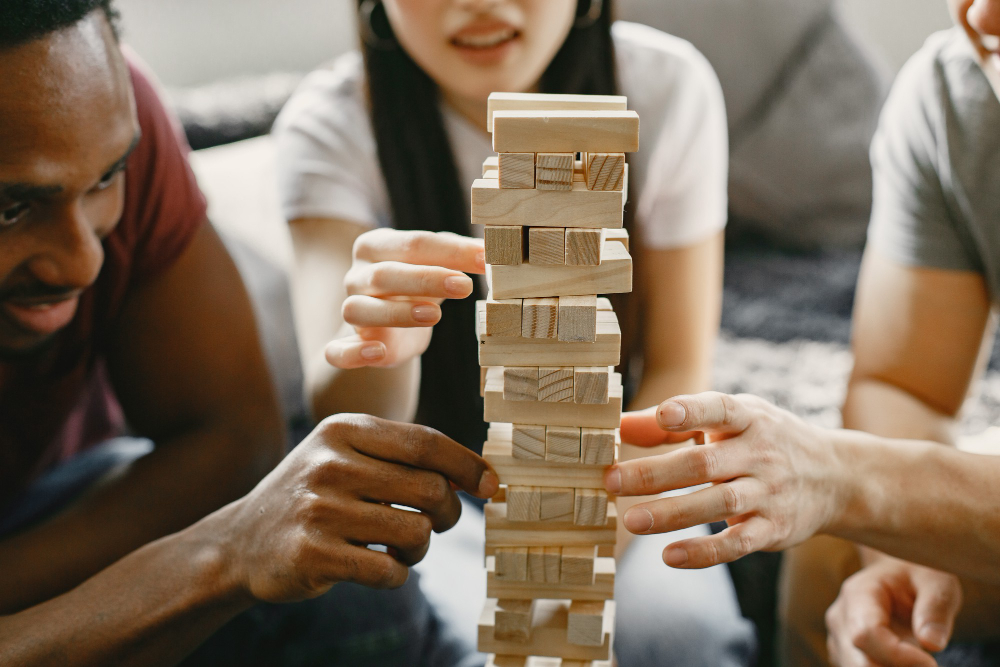
Families can discover that every roll or draw isn't just chance; it's a lesson in understanding likelihood and decision-making.
As children play, they not only enjoy the thrill of competition but also grasp the fundamentals of probability without even realizing it. By embracing these timeless games, parents can foster a love for math that lasts a lifetime. This article explores how classic games helped one family uncover the fascinating world of probability, turning playtime into a powerful educational experience.
The Importance of Teaching Kids Probability
Teaching probability plays a crucial role in a child's mathematical development. Grasping this concept equips children with essential skills for making informed decisions, assessing risks, and understanding their world. Early exposure fosters critical thinking abilities while promoting logical reasoning. Children learn to evaluate outcomes, making connections between choices and their consequences.
Engagement through games enhances understanding and retention. Classic games that involve chance effectively illustrate probability in context. Rolling dice or drawing cards helps visualize outcomes and grasp abstract concepts. The interactive nature of these games makes learning enjoyable, facilitating a positive attitude toward math. For example, a game like the casino dice game is an excellent way for children to understand the probabilities behind rolling different numbers, while also enhancing their enjoyment of the game.
Incorporating real-life scenarios becomes another vital aspect of teaching probability. Examples like weather forecasts or sports statistics provide relatable contexts for kids. Discussing everyday situations where probability applies allows children to connect mathematical ideas to practical experiences. This relevance increases interest and comprehension, making abstract concepts tangible.
Furthermore, fostering teamwork and social interaction through group activities encourages collaboration and communication. Children learn to share strategies and experiences, enhancing their understanding of the subject matter. Engaging in discussions about probability reinforces learning and helps them articulate their reasoning.
Teaching probability significantly impacts children's cognitive development. Understanding this mathematical concept enhances decision-making and critical thinking skills. By utilizing engaging methods and real-world applications, educators and parents can create a foundation for a lifelong appreciation of math and its relevance.
Classic Games That Teach Probability
Classic games provide enjoyable ways for children to grasp fundamental concepts of chance and decision-making. These games create a hands-on experience that makes learning the principles of probability engaging and memorable.
Board Games
Many popular board games incorporate elements of chance, allowing players to assess outcomes based on the roll of dice or selection of cards. Games like Monopoly and Risk introduce kids to strategic thinking involving risks and rewards. Players learn to calculate probabilities associated with landing on property spaces or successfully conquering territories. Each turn encourages discussion about potential outcomes, fostering an understanding of how choices affect results. By experiencing wins and losses during play, children develop a more intuitive sense of probability, preparing them for real-life situations that require similar decision-making skills, as highlighted in the entertainment world on Days of a Domestic Dad.
Card Games
Card games such as Uno or Go Fish offer straightforward lessons in probability through their simple rules and mechanics. Players must consider the odds of drawing specific cards or matching colors and numbers. As children play, they learn to evaluate the likelihood of their hand winning against opponents', enhancing their ability to predict outcomes in various scenarios. The interactive nature of these games also encourages communication and collaboration, reinforcing social skills. Understanding the probability of card distributions can lead to better strategies, equipping children with a practical grasp of mathematical concepts in a fun and engaging environment.
Dice Games
Dice games serve as an effective way to illustrate the principles of chance and randomness. Games like Yahtzee or Catan require players to roll dice and assess probabilities based on potential outcomes. Children gain firsthand experience by predicting how many rolls may yield specific results. Through repeated play, they develop an understanding of statistical concepts, such as averages and frequency, as they analyze their rolling patterns. With each turn, children enhance their critical thinking and problem-solving skills, gaining practical math experience that transcends the classroom. The excitement of dice-based games captures their attention and solidifies key ideas in an enjoyable format.
Real-Life Applications of Probability
Understanding probability extends beyond the classroom. Engaging children with practical applications aids their learning. Classic games present various scenarios where probability plays a crucial role, allowing kids to apply mathematical concepts to real life.
Decision Making Skills
Games that involve chance encourage children to weigh options carefully. Players often face choices that require consideration of potential outcomes. For instance, selecting the best strategy in a board game showcases how different decisions lead to varying levels of success. Children enhance their decision-making skills as they evaluate situations, predict potential outcomes, and adjust their strategies accordingly. These experiences cultivate an ability to assess choices in everyday life, from selecting gear for a sporting event to determining when to take a risk in financial matters. Each choice reinforces the concept that decisions involve understanding probabilities, thereby laying the foundation for sound judgments.
Risk Assessment
The concept of risk assessment becomes clearer through gameplay. Classic games expose children to situations where they assess potential dangers and benefits. When players confront odds during a game, they learn to consider the implications of their actions. For example, strategically deciding whether to make aggressive moves can lead to greater rewards but also increases the chance of failure. This balance of risk and reward serves as a practical lesson in evaluating uncertain circumstances. By engaging with these scenarios, children sharpen their ability to analyze risks in various aspects of life, such as making choices in personal finance or weighing the pros and cons of different opportunities. These skills transfer seamlessly into adulthood, where informed risk assessment is vital for success.
Strategies for Teaching Probability to Kids
Engaging kids in learning mathematical concepts requires creativity and interaction. Using visual aids effectively captures their attention while providing clarity on abstract ideas. For example, simple charts showing basic probabilities can help children visually compare different outcomes. Discussions around these visuals encourage participation and allow children to express their thoughts, enhancing comprehension.
Incorporating games into lessons transforms learning into an enjoyable experience. Activities such as tossing coins or rolling dice enable kids to experiment with probability hands-on. Crafting scenarios based on real-life situations, like predicting the weather or determining sports outcomes, connects math to everyday experiences. Kids relish friendly competition, making the learning process dynamic and memorable. When they analyze results from these activities, they foster critical thinking and decision-making skills crucial for their academic growth.
Conclusion
Classic games have proven to be invaluable tools in teaching kids about probability. By engaging in these fun activities, children not only grasp mathematical concepts but also develop critical thinking and decision-making skills. The lessons learned through play extend beyond the game board, equipping them for real-life situations where probability and risk assessment are essential.
As families explore various games together, they create lasting memories while fostering a love for math. This blend of enjoyment and education lays a strong foundation for their future learning. Embracing the power of play can transform how children perceive math, making it an integral part of their everyday lives.