15 School Lunch Ideas for Picky Eaters That Work at Lunchtime
Practical lunch combinations, simple packing fixes, and a five-day rotation for the food your child opens at noon.
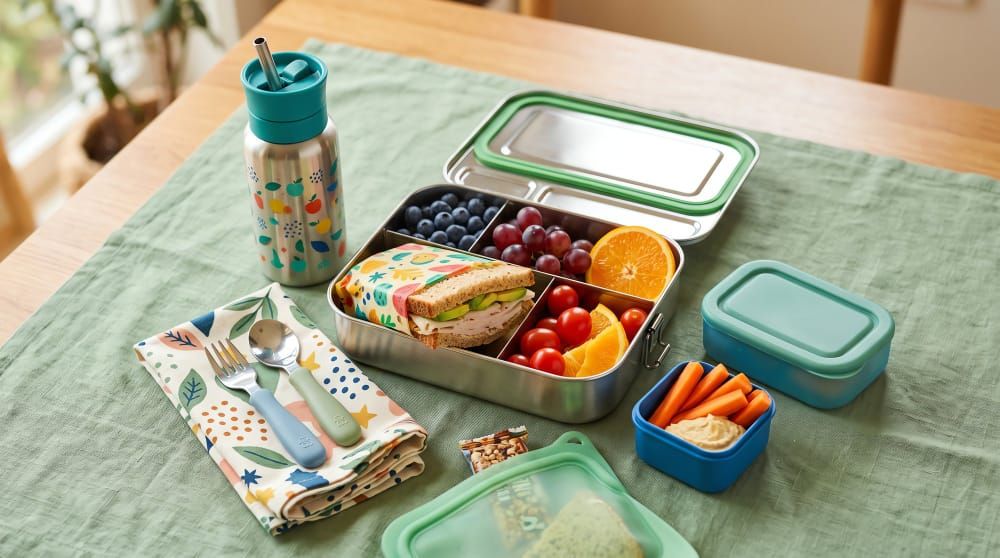
Packing a school lunch sounds simple until you start thinking about the kid who has to eat it four hours later.
The sandwich looked fine when it left the kitchen. Now the bread is damp. The crackers have gone soft. The apple came home untouched, and apparently the yogurt everyone loved last week is no longer acceptable.
My take? A useful lunch plan has to work twice: at 7 a.m. when you're packing it and at noon when your child opens it.
These school lunch ideas for picky eaters start with familiar foods, simple combinations, and packing details that make a difference later. No dinosaur-shaped sandwiches required.
What should you pack for a picky eater's school lunch?
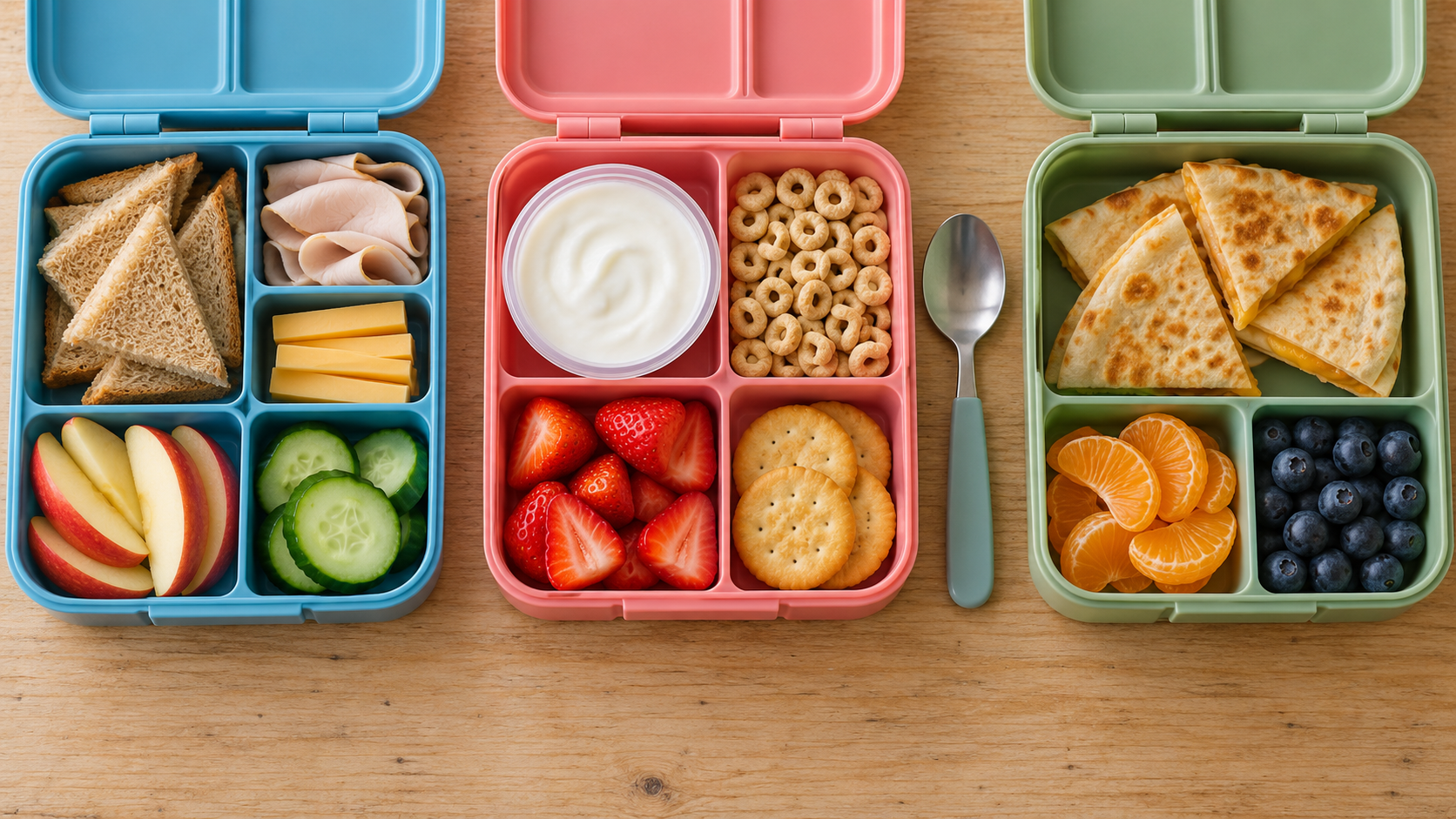
Start with a familiar main food, add a fruit or vegetable your child accepts, and round it out with another food they enjoy. Options include cheese and crackers, a separated sandwich, yogurt with cereal, quesadilla wedges, or warm pasta. Choose portions and textures for your child, check school allergy rules, and plan how to keep perishables cold or hot until lunch.
Need a starting point? Pick the row that sounds most like your child.
| If your child prefers… | Start with… | Packing detail |
|---|---|---|
| Foods that don't touch | A separated sandwich box | Give wet and dry foods their own spaces |
| Familiar finger foods | Roll-ups or cheese and crackers | Keep crackers in a dry container |
| Breakfast foods | Yogurt, cereal, and fruit | Pack cereal separately; keep yogurt cold |
| Warm comfort foods | Pasta or a familiar soup | Use a suitable insulated food container |
| The same lunch most days | A repeatable favorite | Offer an optional side swap |
15 easy school lunch ideas for picky eaters
Use these as combinations to adapt, not a list your child needs to work through. A food belongs in their lunchbox because it suits them, not because it appears on somebody's list.
For more help beyond the lunchbox, the American Academy of Pediatrics offers tips for feeding picky eaters.
Packing key: The cold meals below include perishables and need cold storage. The warm meals need safe hot holding. “No reheating” does not mean “no refrigeration.” Prepare food in sizes and textures appropriate for your child's age and eating skills.
Cold school lunches that don't need reheating
1. Turkey and cheese roll-ups
Pack turkey and cheese, crackers, apple slices, and cucumber. Roll the turkey around the cheese if your child likes that combination; otherwise, keep them separate. Portion the refrigerated items the night before and add crackers to a dry compartment in the morning. Swap turkey for a familiar cooked protein. Keep cold.
2. The separated sandwich box
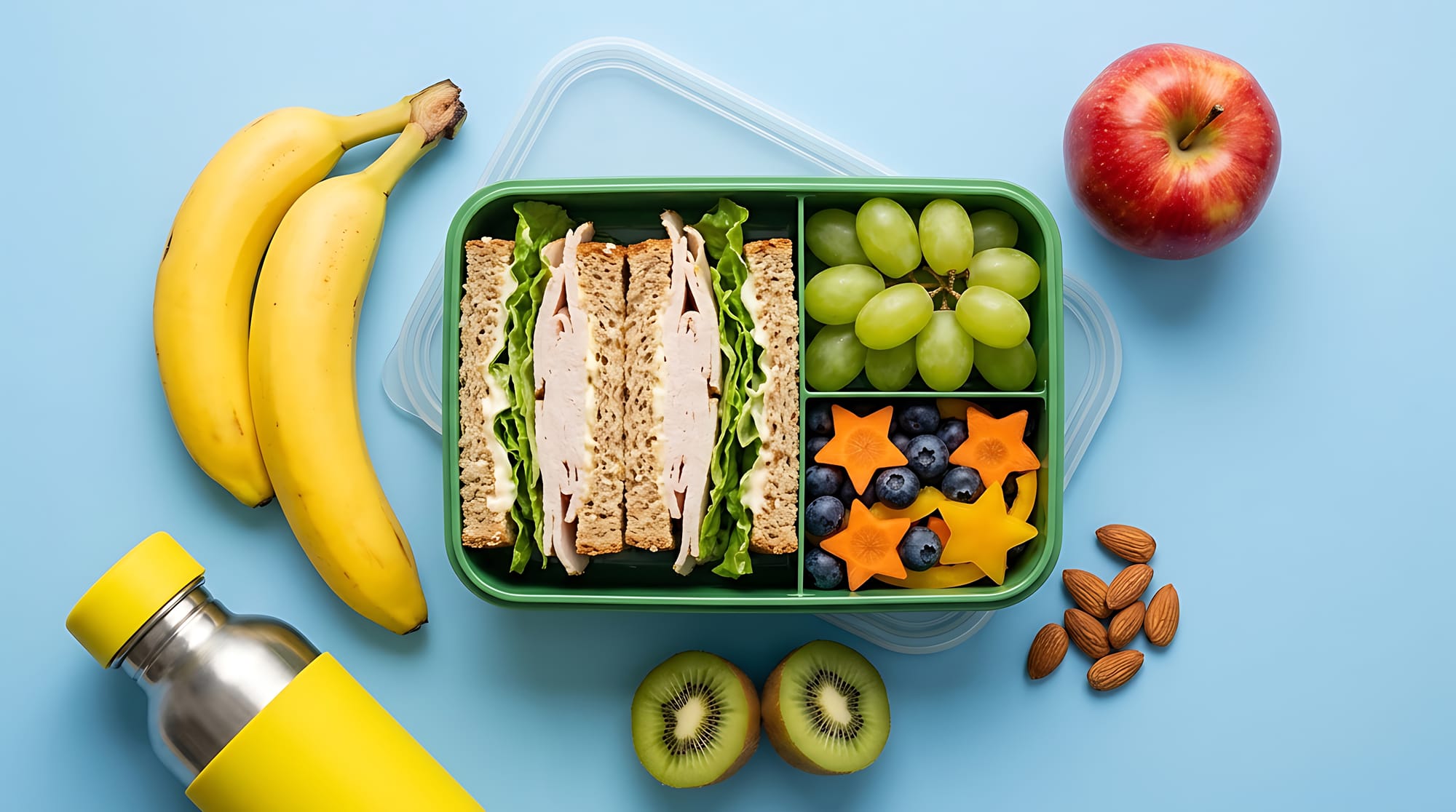
Pack bread triangles, a familiar sandwich filling, fruit, and an accepted vegetable in separate compartments. Your child can combine the pieces or eat them individually. It's still lunch either way. Prepare the filling ahead, but keep it away from the bread until packing. Swap sliced bread for pita wedges. Keep perishable fillings cold.
3. Mini bagel with cream cheese
Pair a mini bagel with cream cheese, berries, and a familiar protein such as sliced turkey or an egg. If your child prefers plain bread, put the spread in a separate container they can open. Portion the sides ahead and assemble the bagel in the morning. A familiar roll works too. Keep cold.
4. Cheese quesadilla wedges
Pack a cooked cheese quesadilla, fruit, and a separate portion of mild salsa or another accepted dip. Make and refrigerate the quesadilla ahead; pack it cold if your child enjoys it that way. Try cheese alone before adding beans or other fillings. A quesadilla doesn't have to become a surprise vegetable delivery system. Keep cold.
5. Plain pasta box
Pair chilled pasta with cheese, an accepted vegetable, and fruit. Keep the components separate if mixed pasta salad gets a hard no. Cook and refrigerate the pasta ahead, then pack dressing separately or leave it out. Use your child's familiar pasta shape; changing the shape and sauce at once may be more change than they want. Keep cold.
School lunch ideas without sandwiches
6. Yogurt and crunchy cereal
Pack yogurt, dry cereal or granola, and fruit, with a familiar bread or cracker side if wanted. Portion the yogurt and fruit ahead. Keep the crunchy topping separate until eating, and include a spoon. Swap granola for a cereal your child already eats; check ingredients against school allergy rules. Keep yogurt and perishable sides cold.
7. Waffle strips and berries
Pair cooked waffle strips with yogurt and berries. Make and refrigerate the waffles ahead; choose a familiar pancake instead if that texture is preferred. Pack any dip separately in a container your child can manage. This works for a child who likes waffles cold—check that at home before sending them. Keep cold.
8. Egg and pita lunch
Pack a peeled, cooked egg with pita wedges, fruit, and an accepted vegetable. Cook and refrigerate the egg ahead. Slice it if that makes eating easier, or substitute cheese or another familiar protein if your child dislikes eggs. Remember that liking a food at home doesn't automatically mean wanting it in the cafeteria. Keep cold.
9. Hummus and dippers
Pair hummus with pita, crackers, accepted vegetables, and fruit. Portion the dip ahead and keep dry dippers separate. If hummus is unfamiliar, choose a dip your child already enjoys and add a familiar protein alongside it. Check ingredients: hummus often contains sesame, so it isn't an allergy-free default. Keep cold.
10. Cheese and cracker snack box
Pack cheese, crackers, fruit, and another familiar food such as turkey or yogurt. Portion the chilled foods ahead and add crackers in a separate dry space. Swap the crackers for a familiar bread or tortilla. A lunch made of small components can still be a satisfying meal; adjust the amount to your child's appetite. Keep perishables cold.
Warm lunches for kids who prefer familiar foods
For these meals, prepare and refrigerate food ahead if needed, then reheat and pack safely in the morning. Keep cold sides in a separate chilled section. Test the container's temperature performance at home before relying on it for a school day.
11. Macaroni and cheese
Pack familiar macaroni and cheese in an insulated food container, with fruit and an accepted side separately. Refrigerate a portion from dinner for the next day's lunch. If creamy sauces are the problem, use plain pasta and offer cheese separately. Keep the main hot.
12. Buttered noodles with a separate protein
Pair warm noodles with a familiar protein, such as chicken, plus fruit or vegetables. Keep the chicken separate if your child prefers it that way, using appropriate hot or cold storage for each component. Cook and refrigerate portions ahead. Swap butter for a sauce your child already enjoys. Keep noodles hot.
13. Rice and beans, together or apart
Pack warm rice and beans with a tortilla and fruit. If mixing foods is the sticking point, use separate suitable containers—or choose a familiar protein instead of beans. Refrigerate cooked rice and beans promptly when preparing ahead. This is a good option when it's already a meal your child accepts. Keep the main hot.
14. Mild soup and a bread roll
Pair a familiar soup with a roll and fruit. Portion and refrigerate soup ahead, then reheat before packing. Include a spoon, and practice opening the container at home. If broth makes lunchtime too messy, choose a thicker familiar meal instead. Keep soup hot.
15. Familiar chili and tortilla strips
Pack mild chili with tortilla strips or bread on the side and a separate fruit portion. Refrigerate a portion from dinner for reheating the next morning. If your child dislikes mixed textures, choose another warm option from this list rather than trying to convince them that chili is different at school. Keep chili hot.
Why does school lunch come home uneaten?
Uneaten food is a reason to ask a question, not proof that you packed the wrong thing. Your child might dislike the texture at lunchtime, struggle with packaging, feel distracted, or have less time to eat than you expect.
The CDC recommends at least 20 minutes of seated time for lunch. That's time after students have their food and sit down—not a 20-minute period that also includes walking, lining up, and washing hands.
Before replacing the whole menu, try one small change.
| What comes home | What to ask | One change to try |
|---|---|---|
| An unopened container | “Was the lid hard to open?” | Practice with the same container at home |
| Damp bread or soft crackers | “Did it feel different at lunchtime?” | Separate wet ingredients and dry foods |
| Most of the meal | “Did you have enough time to eat?” | Simplify packaging and ask about seated lunch time |
| Mixed foods left untouched | “Would you rather have these separately?” | Pack familiar components apart |
| Yesterday's favorite, rejected | “What was different today?” | Check temperature, portion, and preference before guessing |
For kindergarteners, opening a yogurt and managing a spoon can be part of the challenge. Older children may care more about mess, smell, or what feels comfortable eating around friends. Let them tell you.
The 7 a.m. versus noon test: how to pack lunch
A lunch can look great on the kitchen counter and disappoint several hours later. Temperature, moisture, and packaging deserve as much attention as the menu.
Keep cold lunches cold
The USDA recommends at least two cold sources around perishable foods, such as two frozen gel packs or a gel pack and frozen water bottle. Use an insulated lunch bag and pack foods already chilled. A cold pasta lunch still needs cold storage even though nobody plans to microwave it.
Keep hot lunches hot
Use an insulated container intended for food. Preheat it according to its instructions, empty the water, add hot food, and close it promptly. USDA school-lunch guidance says hot food should remain at 140°F or above. Reheat leftovers to 165°F, checking with a food thermometer, as described in the USDA safe-food handbook.
An insulated container isn't a guarantee that every food stays safely hot until noon. Check its performance under your actual packing conditions, and make sure your child can handle it safely.
Keep crunchy and wet foods apart
Give crackers, cereal, and bread a dry space. Pack sauces and dips separately. Drain washed produce before packing it. For a child who cares strongly about texture, preventing a soggy cracker may be more useful than finding a completely new recipe.
Check school allergy rules
Follow your school's policy and your child's individual allergy needs. A product made without nuts is not automatically suitable for every child or classroom. Check ingredient labels and relevant allergen information, including when choosing seed butters, dips, and granola.
FARE's guide to reading food labels is a useful reference when checking packaged foods, including products you've bought before. For families managing a diagnosed food allergy, FARE also offers a school planning guide for coordinating with school staff.
IMAGE 3 PLACEHOLDER — Packing setup: An insulated lunch bag with cold packs beside a separate insulated food container. Show hot and cold packing options clearly. Replace this note with your image.
A simple five-day picky-eater lunch rotation
You don't need fifteen different lunches in fifteen days. Choose a handful that fit your child and repeat them.
| Day | Main | Sides | Prepare ahead |
|---|---|---|---|
| Monday | Turkey and cheese roll-ups | Crackers, apple, cucumber | Portion refrigerated foods |
| Tuesday | Yogurt and cereal box | Berries and a familiar bread | Portion yogurt; keep cereal dry |
| Wednesday | Warm macaroni and cheese | Fruit and an accepted vegetable | Refrigerate a portion for morning reheating |
| Thursday | Cheese quesadilla wedges | Fruit and optional dip | Cook and refrigerate the quesadilla |
| Friday | Repeat the preferred lunch | Let your child choose a side | Use the same safe packing method |
For this rotation, the shopping list starts with turkey, cheese, crackers, bread, yogurt, cereal, pasta, tortillas, and the fruit and vegetables your child accepts. Add ingredients for your macaroni and cheese and any chosen substitutions.
Letting your child choose between two workable options—“roll-ups or yogurt tomorrow?”—may make planning easier than asking an exhausted kid to invent an entire menu.
What the lunchbox research adds
Curion's August 2026 PULSE poll, covering parents of children ages 5–13, reported that portability and convenience mattered to 54%, lunchbox-friendly formats to 53%, and kid-approved taste to 47% when choosing school snacks.
Those are parents' purchasing priorities, not proof that a particular lunch gets eaten. Still, they point to a practical tension: the parent buys and packs the food, while the child decides what to eat.
That's why I like the 7 a.m. versus noon test. It makes room for both people. Can you pack it without making the morning harder? Can your child open it, manage it, and enjoy it at lunchtime?
School lunch FAQs
What can I pack for a picky eater who doesn't like sandwiches?
Try cheese and crackers, yogurt with dry cereal, quesadilla wedges, a separated sandwich box, or familiar pasta in an insulated container. Include accepted sides and choose the appropriate cold or hot packing method. Start with a combination they already enjoy at home.
What are easy nut-free school lunch ideas?
Depending on ingredients and school rules, possibilities include cheese quesadillas, turkey roll-ups, yogurt with an approved cereal, or pasta. Check every component rather than assuming the meal's name makes it suitable. Other allergens may still be present.
How can I keep a school lunch from getting soggy?
Pack dry foods away from fruit, dips, and other moist ingredients. Keep sandwich fillings separate if needed, and put cereal or granola in its own container. Keep following safe temperature practices; texture fixes should not replace them.
Why will my child eat a food at home but not at school?
The food may be colder, softer, harder to open, or less comfortable to eat around friends. The setting and time available are different too. Ask what happened at lunch before assuming the food is suddenly off the menu.
Is it okay to repeat the same school lunch?
A dependable lunch can make the week easier. You can offer choices and variety elsewhere in the day without making every school lunch a new experiment. If your child's limited eating is affecting growth, energy, or daily life, discuss it with their pediatrician.
Aim for a lunch that works
Your child's lunch does not need twelve tiny compartments or a sandwich shaped like a cartoon character.
Start with a few familiar combinations. Pack them so they're still appealing and safe at noon. Ask what worked, change one thing when it helps, and repeat the wins.
I'd call that a better use of a school morning than trying to impress the lunchbox.