How To Compare Palm Beach County, Florida Neighborhoods Before Buying A Home
Compare Palm Beach County neighborhoods by lifestyle, insurance, taxes, HOA fees, commute times, and long-term homeownership costs.

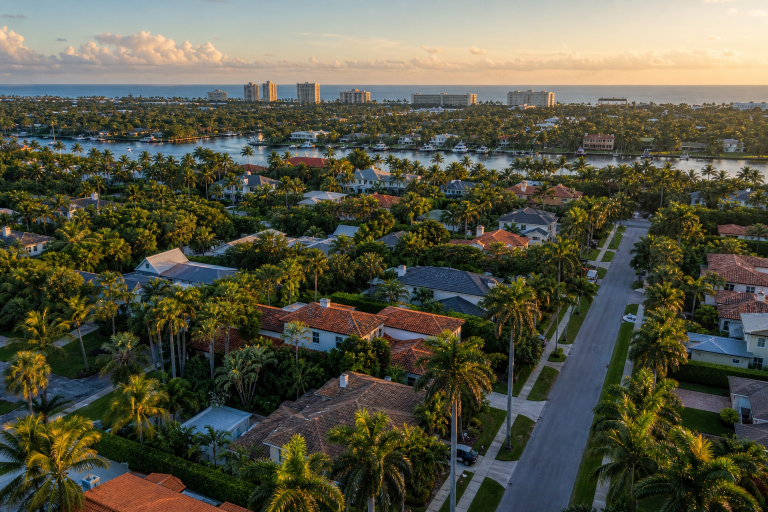
Buying a home in Palm Beach County involves far more than finding an attractive kitchen, a pool, or a desirable asking price. The neighborhood shapes daily routines, recurring ownership costs, insurance questions, travel time, and the property's future appeal. Buyers comparing coastal, downtown, suburban, and golf-oriented communities should evaluate the complete picture before deciding where to focus their search.
For a neighborhood-level perspective, West Palm Beach FL real estate expert David Cooke and David Cooke Real Estate provide property search, home valuation, buying, selling, and neighborhood guidance for Palm Beach County communities, including West Palm Beach, Palm Beach, Jupiter, and Delray Beach. A locally focused resource can help buyers compare similar properties, recent market activity, community requirements, and practical differences that may not be obvious in online listings.
Why Neighborhood Choice Matters More Than a Beautiful Listing
A home can be updated, well-staged, and competitively priced, yet still be a poor fit if the surrounding area does not support your lifestyle or budget. Two similarly priced homes may carry very different tax bills, association dues, insurance premiums, maintenance needs, or commute demands.
Think about the life you expect to lead after closing. A buyer who values restaurants, waterfront walks, and cultural events may prioritize a different location than someone who wants a larger yard, a quieter street, a gated setting, or easy access to a particular workplace. The right neighborhood should work on ordinary weekdays, not only during a weekend showing.
Start With Lifestyle, Not List Price
Before touring homes, write down the priorities that will matter most over the next several years. This list helps prevent a beautiful property from distracting you from a location that does not fit.
- Walkability to dining, shops, parks, beaches, and entertainment.
- Travel time to work, schools, medical care, family, and Palm Beach International Airport.
- A preference for downtown energy, a quiet residential street, or a gated community.
- Space for a yard, garage, pool, pets, guests, or hobbies.
- Interest in a single-family home, condo, townhome, or seasonal residence.
- Plans to occupy the property year-round, use it seasonally, or hold it as an investment.
Compare Palm Beach County Areas by Character
West Palm Beach
West Palm Beach offers a broad range of settings, from downtown residences and waterfront-adjacent areas to historic neighborhoods and established residential streets. Buyers may appreciate access to dining, arts, transportation, and major road connections. When considering an older home, confirm whether it sits in a historic district and understand how local review requirements could affect exterior changes or renovation plans.
Palm Beach
Palm Beach has a distinct coastal island setting, with residences ranging from condominiums to estate homes, as well as older properties with character. Buyers should distinguish between the island's lifestyle and that of nearby mainland communities rather than treating them as interchangeable. For any coastal purchase, evaluate building condition, flood exposure, wind coverage, renovation rules, and the responsibilities assigned to the owner versus the association.
Jupiter and Palm Beach Gardens
Jupiter and Palm Beach Gardens can appeal to buyers seeking outdoor recreation, beach access, larger homes, newer communities, gated neighborhoods, or golf-oriented amenities. Community benefits often come with rules and recurring expenses. Review HOA requirements, club memberships, transfer fees, and amenity obligations as carefully as you review the home itself.
Delray Beach, Boynton Beach, and Boca Raton
These South County markets offer different combinations of downtown activity, coastal access, established neighborhoods, and western planned communities. Commute patterns can vary significantly depending on where you work and how often you travel north or south. Compare like with like, such as a similar-size condo near downtown or a similar single-family home in a western community, instead of relying on broad citywide price impressions.
Use a Simple Neighborhood Scorecard
Score each neighborhood from one to five before narrowing your options. A simple process makes trade-offs visible and reduces the urge to decide based on a single memorable showing.
- Monthly housing cost, including principal, interest, taxes, and insurance.
- Property taxes, exemptions you may qualify for, and possible reassessment after purchase.
- Homeowners, windstorm, and flood insurance considerations.
- Commute time and access to roads, airports, and everyday destinations.
- Walkability, nearby services, noise, traffic, and seasonal activity.
- Home condition, likely repairs, and maintenance demands.
- HOA, condo, co-op, or club fees and restrictions.
- Resale flexibility and fit with your long-term plans.
Look Beyond the Listing Price
The listing price is the starting point, not the full cost of ownership. Build a realistic budget that includes the down payment, mortgage payment, closing costs, inspections, surveys, professional fees, recurring dues, landscaping, pool care, and eventual repairs to systems such as the roof, HVAC, plumbing, and electrical components.
Public records can provide a useful starting point for reviewing assessed values, ownership information, nearby sales, and tax-related details through the Palm Beach County Property Appraiser's online property tools. Treat prior tax bills as historical information, not a promise of your future bill, because a purchase and changes in exemptions may affect the amount due.
Check Flood and Storm Exposure Early
Coastal and low-lying locations deserve early due diligence, but storm preparedness should be evaluated for every property. Review elevation information when available, drainage around the home, roof age, window and door protection, shutters, and the condition of exterior features. Request property-specific insurance quotes before removing important contingencies or finalizing your budget.
You can use the FEMA Flood Map Service Center to review mapped flood information during initial research. Flood maps are only one part of the decision, so confirm coverage needs and underwriting requirements with an insurance professional and qualified local advisers.
Review Condos, HOAs, and Gated Communities Carefully
Community documents often reveal costs and limitations that listing photos cannot show. Request and read the available documents early, especially for condominiums and amenity-rich communities.
- Monthly fees, what they cover, and whether utilities or exterior maintenance are included.
- Reserve funding, financial statements, recent assessments, and planned capital projects.
- Responsibility for roofs, elevators, balconies, concrete work, landscaping, and building insurance.
- Rules for rentals, pets, parking, guests, renovations, age restrictions, and ownership periods.
Visit at Different Times and Ask Better Questions
Visit on a weekday morning, weekday afternoon, in the evening, and on the weekend. Drive the routes you will actually use. Observe traffic, parking, lighting, nearby activity, and the street's pace. Then ask about recent comparable sales, time on market, price reductions, open permits, unapproved work, anticipated repairs, insurance estimates, and any municipal or association restrictions.
Final Checklist for Choosing a Palm Beach County Neighborhood
- Identify your five most important lifestyle priorities.
- Choose three to five neighborhoods for a direct comparison.
- Estimate full monthly costs for each option.
- Review taxes, insurance, flood considerations, and community fees.
- Visit each area at multiple times of day.
- Compare recent sales for genuinely similar homes.
- Read property disclosures and community documents before making an offer.
- Select the neighborhood that fits both your financial plan and your daily life.
The best Palm Beach County neighborhood is not necessarily the one with the most polished listing. It is the one that aligns with your routines, comfort level, maintenance expectations, and plans. A careful comparison of location, costs, property condition, community rules, and lifestyle can support a more confident home-buying decision in 2026.