Laser Welders at Home: What Impacts the Price and Why It Matters
So, you’re thinking about picking up a laser welder for home use? That’s exciting—but before you dive in, it’s worth understanding what exactly goes into that price tag. Because the truth is, laser welder price isn’t just some random number—it’s shaped by everything from power levels and features to the name on the box.
Let’s break it down in plain English—what you’re paying for, why some models cost more than others, and how to find a welder that fits both your needs and your budget.
Price Overview
The price range for home-use laser welders is all over the place. You’ll see models for a couple hundred bucks, and others that’ll set you back thousands. The reason? It usually comes down to power and brand.As a rule of thumb, the higher the wattage, the higher the price. That’s because more power means more capability—thicker materials, faster welding, etc.
Extras like dual functions (welding and engraving, say) or bundled accessories can nudge the cost up too. And let’s not forget brand reputation. Big names with solid warranties and good customer support tend to charge more—often for good reason.
Oh, and don’t ignore ongoing costs like maintenance or replacement parts. That “cheap” machine might not stay cheap for long if it’s constantly breaking down.
Laser Power & Cooling System
Here’s where things get technical, but stick with me. Laser power—aka how many watts your machine can put out—is a major factor in determining laser welder price. More watts? Bigger price tag.
- 20W: Good for light-duty stuff, runs around $200 to $800.
- 50W: Versatile, mid-tier range of $1,500 to $4,000.
- 100W+: Heavy-duty beasts, often north of $5,000.
Then there’s the cooling system, which is more important than most folks realize. Air-cooled machines are simpler and cheaper, but they can overheat if you’re doing long sessions. Water-cooled units stay cooler and last longer, but they’ll add a few digits to the price.
If your projects involve heavier materials or extended use, it might be worth paying more upfront for better power and cooling. Otherwise, you could end up limited—or worse, replacing parts way too soon.
Laser Type & Beam Quality
The type of laser inside your welder isn’t just tech jargon—it affects price, performance, and what kind of work you can actually do.
- CO₂ Lasers: Basic, budget-friendly ($200–$800 for smaller ones). Often used for engraving and cutting soft stuff.
- Fiber Lasers: Speedy and efficient. Start around $1,500, but high-end versions go well over $5,000.
- Nd:YAG Lasers: Versatile and great for metals. Expect $1,000 to $4,000 depending on power and build.
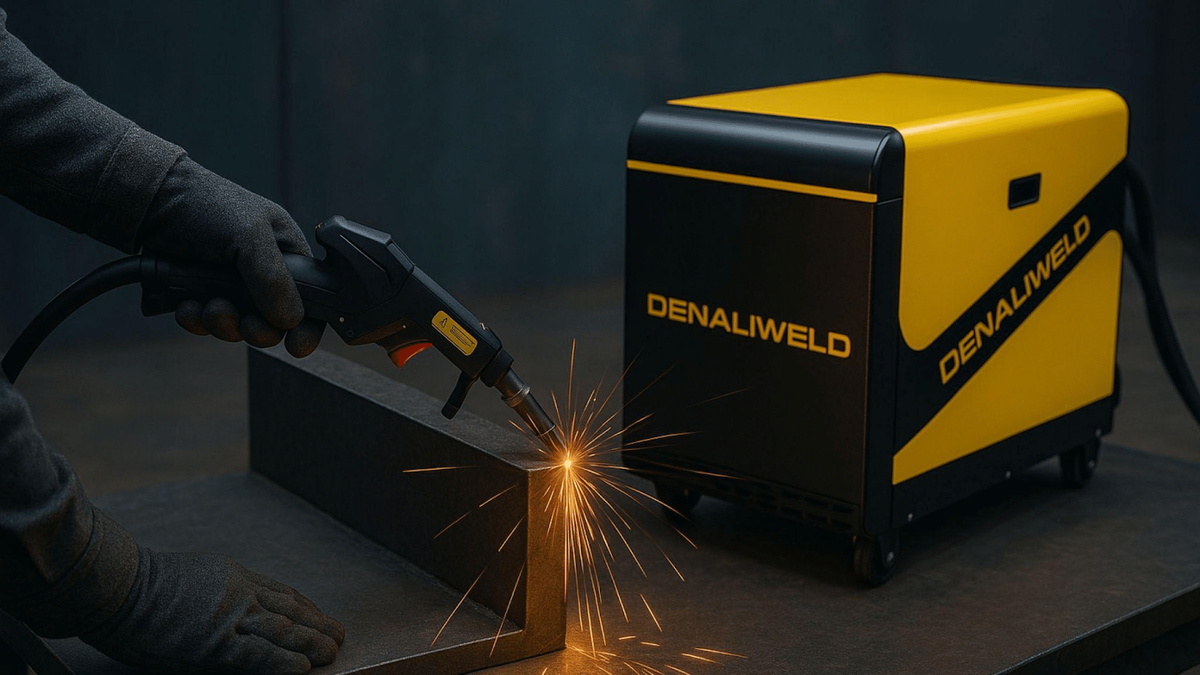
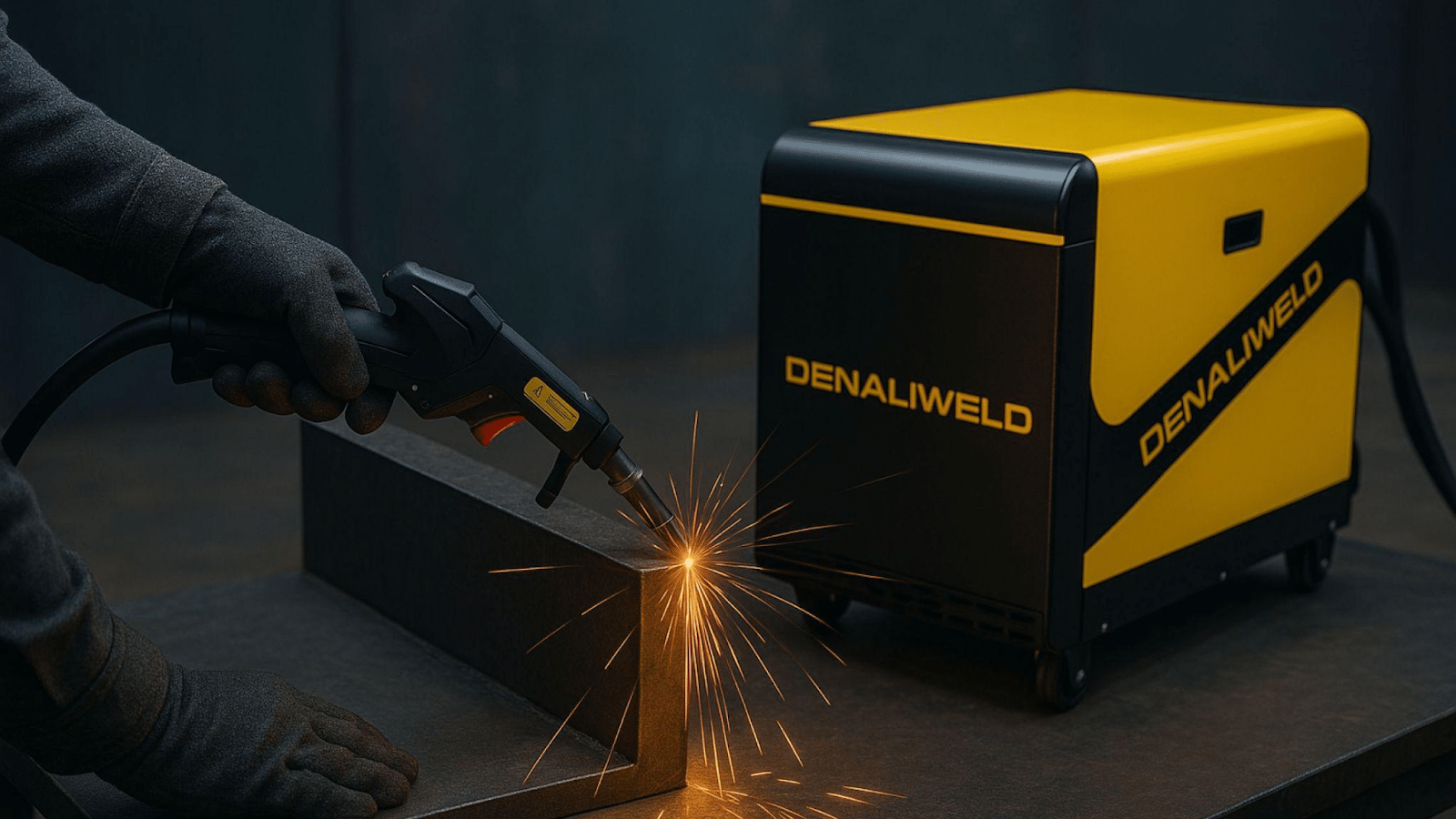
If you’re working with a brand like Denaliweld, you’ll likely notice their preference for fiber laser technology due to its efficiency and compatibility with metal applications. Their machines often balance price and performance in a way that makes high-quality results more accessible.
Now, beam quality might sound abstract, but it matters. A cleaner, more focused beam means sharper welds and less waste. Machines with high-end beam quality don’t come cheap, though—you’re probably looking at $2,500 or more. Lower-quality beams? Around $1,000. It’s all about how much precision your work really demands.
Functionality & Extras
Laser welder price also swings based on what the machine can actually do.
Let’s break it down:
Key Cost Factors
- Laser Type: CO₂ is generally cheaper. Fiber’s faster but pricier.
- Wattage: More watts = higher cost. Simple as that.
- Cooling: Water-cooled = better performance, higher price.
Add-ons That Matter
- Control Systems: More refined interfaces add a few hundred bucks.
- Safety Features: Stuff like auto shut-off and full enclosures bump up the cost, but they’re often worth it.
Ask yourself: Do you really need engraving? Fancy screens? Smart controls? Or are you okay with a solid, no-frills workhorse? Your answer could save—or cost—you thousands.
Total Cost of Ownership
Here’s the part most folks forget: it’s not just what you pay upfront. The total cost of owning a laser welder includes all the little (and not-so-little) expenses that pile up over time.
Let’s break it down:
- Initial Cost: From $200 for a basic 20W to $5,000+ for 100W or industrial types.
- Maintenance: Budget around $100–$500 a year to keep things running smooth.
- Parts Replacement: Lenses, diodes, and nozzles need replacing—expect $50 to $300 annually.
- Energy Use: Bigger machines drink more power. Look for energy-efficient models if you’re watching your electric bill.
If you’re welding regularly, or running a side hustle from your garage, a more expensive machine might save you time, stress, and money in the long run.
Budgeting & Tradeoffs
Let’s be real—nobody has an unlimited budget. So how do you pick the right machine without overspending?
Start here:
- Entry-Level: $200–$800, good for light tasks and learning the ropes.
- Mid-Range: $1,500–$4,000, perfect for serious hobbyists or small shops.
- Top-Tier: $5,000+, packed with power, features, and long-term durability.
But price isn’t the whole story. Maintenance, parts, and energy bills all add up. It’s worth thinking about what matters most to you: raw power? Portability? Precision? The right answer depends on your specific projects.
Shopping Tips for Home Users
Not sure where to start? Here are some human-to-human pointers:
- Set a Real Budget: Be honest with yourself. $200 might get you started, but don’t expect miracles.
- Figure Out Must-Haves: Engraving? Thick metal cutting? Cooling system? Decide what’s non-negotiable.
- Power Up Smartly: More watts means more capability, but don’t overpay for power you’ll never use.
- Know the Brands: Read reviews. Talk to other makers. Good support can be a game changer.
- Plan for Upkeep: Set aside money yearly for maintenance and parts. Even great machines need TLC.
Also, don’t just impulse buy from a flashy ad. Compare prices across platforms and ask about warranties. And if financing makes the difference between settling and getting what you actually need—explore your options.
Conclusion
So, where does that leave us?
The laser welder price depends on a whole mix of things—power, features, build quality, and brand reputation. The good news? There’s something for almost every budget.
Quick Snapshot:
| Model Type | Price Range | Power Level |
| Basic Models | $200 – $800 | 20W |
| Mid-Range Units | $1,500 – $4,000 | Around 50W |
| Advanced Options | $5,000+ | 100W or more |
Don’t Forget the Extras:
- Maintenance: $100–$500/year
- Replacement Parts: $50–$300/year
- Energy Use: Watch your bill
Take your time, do your homework, and really think about what you need. Because the “right” welder isn’t just the cheapest or the fanciest—it’s the one that works best for what you do.