

Being a dad is a big job. You handle work, bills, and family. Some days, it feels like you are running on empty. When you carry old hurt or stress, it is even harder to stay calm and present with your kids.

This is where trauma therapy comes in. It helps you heal the pain under the surface so you can show up as the dad you want to be. You get tools to feel safer inside and enjoy family time again.
What trauma looks like in dads
You may not call it “trauma,” but you can feel its weight. It can come from childhood, past relationships, the military, accidents, or big life changes like job loss or divorce.
Signs it is getting in the way:
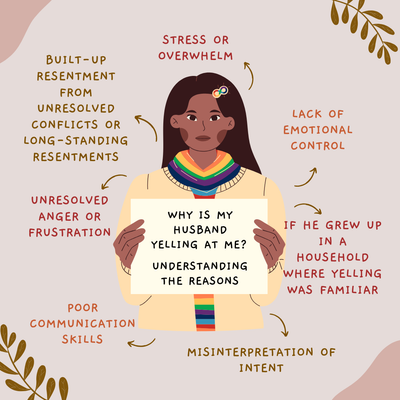
- You snap at your kids over small things.
- You shut down, zone out, or scroll your phone to escape.
- You feel guilt or shame after you yell.
- You struggle to sleep, relax, or feel joy at home.
A closer look at accelerated resolution therapy
One approach many dads find helpful is called accelerated resolution therapy. This is a newer form of trauma therapy that aims to bring relief in fewer sessions than many traditional methods. It uses guided eye movements and imagery to help your brain process painful memories in a safer way.
With accelerated resolution therapy, you do not have to share every detail of your trauma if you do not want to. You work with the therapist to “re-script” how your mind holds the memory so it hurts less and feels less intense in your body. Many people notice relief from symptoms like anxiety, nightmares, and anger after just a few sessions.
How healing makes you more present at home
When your nervous system calms down, everything at home starts to shift. You are not walking on eggshells inside your own mind. You can breathe, pause, and choose your response.
Here is what that can look like in real life:
- Your child spills milk. Instead of yelling, you take a breath and help clean up.
- Your teen rolls their eyes. You still feel annoyed, but you talk it out instead of slamming doors.
- Your partner brings up a problem. You stay in the conversation instead of shutting down or leaving the room.
Small moments like these build trust. Your kids start to see you as steady and safe. Your partner feels less alone in carrying the emotional load at home.
Simple tools you can start using today
Therapy is powerful, but you can also use small daily habits to support your healing and be more present. These simple tools pair well with trauma therapy and methods like accelerated resolution therapy.
Try these steps:
- Name what you feel
- Say to yourself: “I feel angry,” “I feel scared,” or “I feel sad.”
- Naming the feeling takes some power away from it.
- Use a breathing reset
- Breathe in through your nose for four counts, hold for 4, breathe out for 6.
- Do this 3–5 times when you feel like you are about to snap.
- Take a short pause, not a walkout
- Say, “I need one minute to calm down, and then I’ll come back.”
- Step away, regulate, and then return to your child or partner. This shows them you care and are trying.
- Plan “present time”
- Set 10–15 minutes a day as no-phone time with your kids.
- Play a game, talk, or just sit together. Your full attention matters more than big trips or gifts.
These small actions, done often, rewire your brain for safety and connection. They make it easier for therapy work to “stick” in real life.
When to reach out for help
You do not have to hit rock bottom to seek help. Therapy is not a sign of weakness; it is a sign that you care about your family and your future.
Consider reaching out to a trauma therapist if:
- Your anger feels out of control.
- You feel numb, checked out, or hopeless.
- You avoid your kids or partner because you are scared you will hurt them with your words.
- You have memories or experiences that still haunt you.
Look for someone who works with trauma and dads or parents, and ask if they offer accelerated resolution therapy or other trauma-focused approaches. Many therapists now offer online sessions, which makes it easier to fit healing into a busy dad's schedule.
Heal inside, show up at home
You deserve to feel calm in your own skin. Your kids need a dad who is listening and is there for them. When you get assistance and the right tools, you can turn old wounds into fresh starts.