
How to Safely Move or Relocate a Large Gun Safe Without Damage
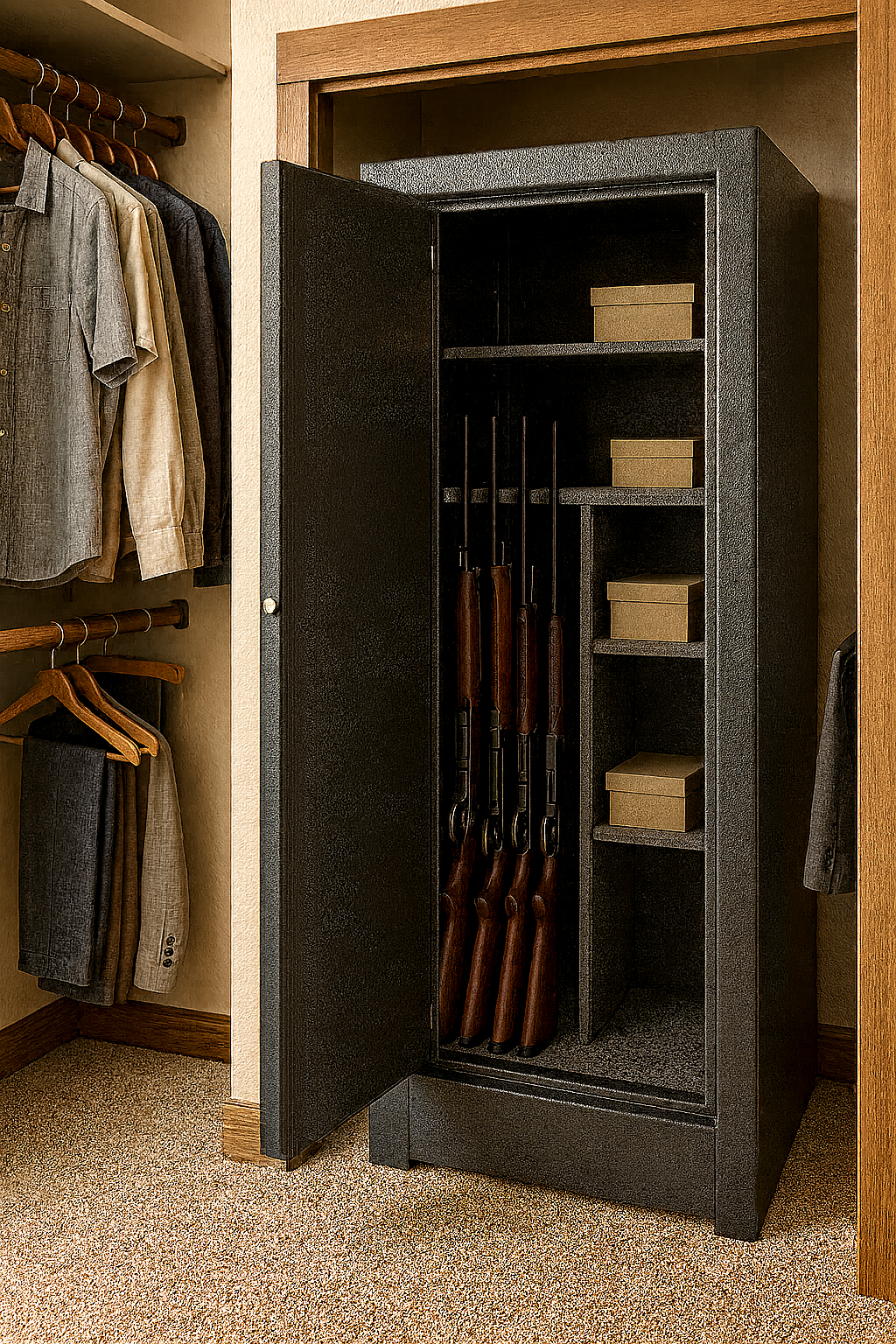
Moving a large gun safe blends preparation, coordination, and patience more than raw strength. The solid steel that protects valuables also resists careless handling, turning each inch of movement into a test of planning and control. Before anyone lifts or tilts, calculating the safe’s dimensions, weight, and balance turns a risky task into a predictable operation. Each measured choice—from mapping clearances to testing floor strength—builds confidence and control.
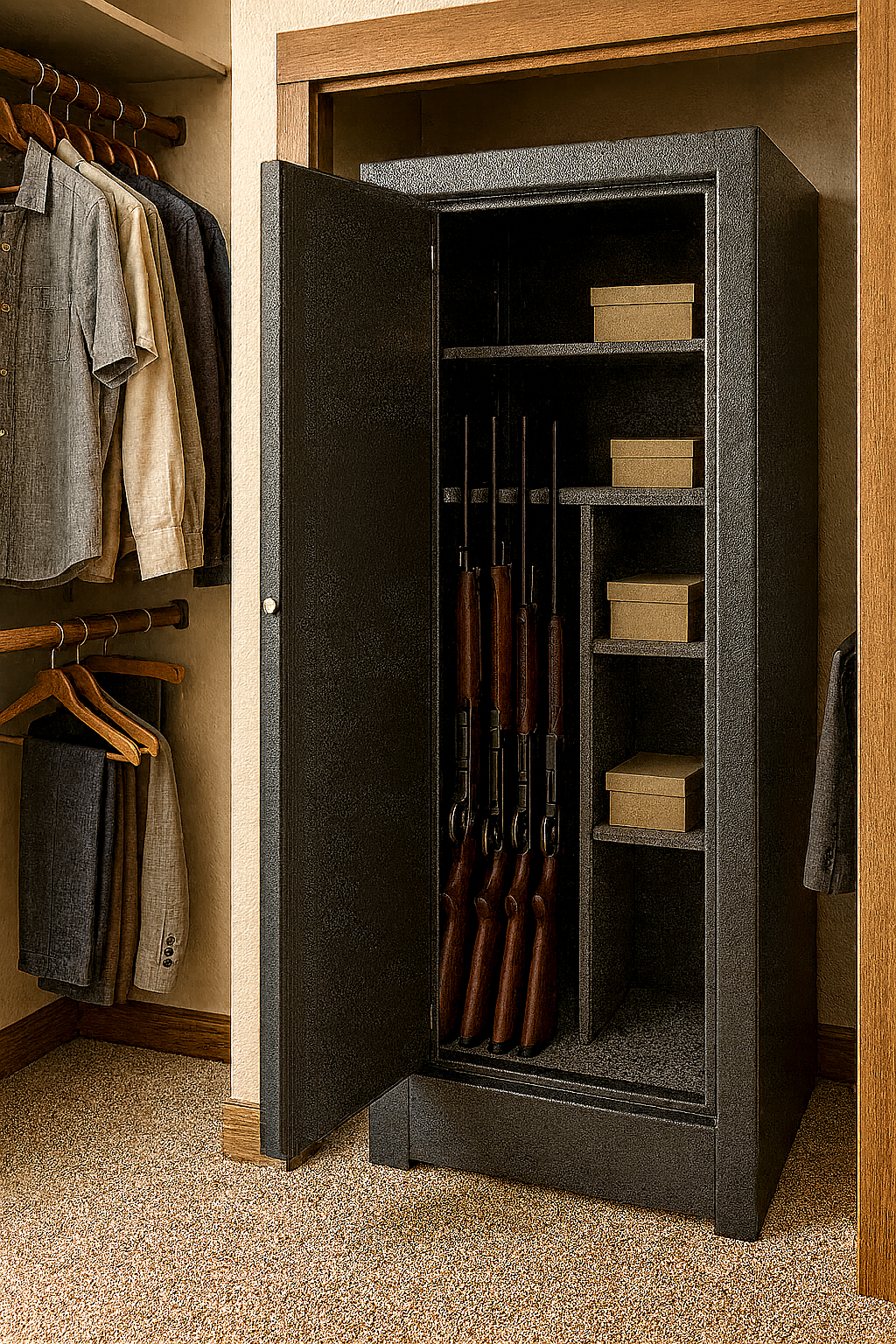
True preparation begins with people, tools, and timing. Selecting an appliance dolly rated for the load, protecting fragile flooring, and assigning clear verbal commands create order out of potential chaos. With steady focus and clear roles, moving a safe becomes not an ordeal, but a measured act of safety and precision.
Assessing Weight, Space, and Surface Conditions Before Moving
Accurate measurement forms the backbone of any safe relocation. Record width, depth, height, and total weight, using the manufacturer’s data or a verified scale. Add ten to twenty percent for bolts, liners, and interior contents. Check doorway widths, stair rises, and hinge clearance, noting swing radius and obstacles above or below. Sketch the path with all key numbers marked clearly to guide the gun safe smoothly through each stage of movement.
Before movement begins, evaluate surface strength and safety. Test joists or subfloors using a simple load check while someone observes from beneath. Concrete handles pressure better than aged framing. Empty the safe, labeling parts and storing firearms and ammunition in separate boxes. A clean, documented assessment makes every step predictable and stable.
Gathering Proper Equipment and Protective Materials
Preparation starts with well-chosen tools and clean organization. Set the dolly upright, straps neatly rolled, and blankets stacked near the entry point. Select an appliance dolly with a rating higher than the safe’s total weight and pair it with industrial-strength straps for secure restraint. Wrap blankets around every edge and add foam protectors to exposed corners before lifting begins.
Keep a compact toolkit within reach: socket set, wrench, spare anchor bolts, locking pliers, electrical tape, and lubricant for hinges or locks. Coil tie-downs neatly and use carpet tape to keep covers from slipping. Test strap tension once before the first move to confirm alignment and balance. Well-prepared equipment turns heavy motion into controlled progress.
Preparing the Moving Path and Protecting Your Home
Preparation starts with clear space and thoughtful layout. Remove rugs, tables, and wall hangings that narrow or obstruct the route. Secure interior doors open and verify each doorway’s width before the safe moves. When paths are open and lighting steady, teamwork stays calm and rhythm consistent. A controlled environment prevents sudden shifts, sharp turns, or unnecessary strain.
Next, safeguard the home itself. Lay plywood across delicate floors, taping seams to prevent catching. Non-slip mats under edges keep surfaces stable, while corner guards cushion walls near tight angles. These small steps protect structure and focus attention on coordination instead of correction. Measured setup turns what could be a chaotic lift into a smooth, professional-grade maneuver.
Moving Technique — Staying Stable and Coordinated
Once the path is clear, movement becomes a matter of rhythm and control. Keep the safe centered on the dolly, tilted slightly so the wheels carry the weight evenly. Run straps over the midpoint and anchor low, keeping them snug but flexible. Maintain steady hand pressure to guide turns without sudden correction or overcompensation.
On stairs or slopes, designate a lead at the top, a supporter below, and a spotter beside for balance. Let one voice command timing—counting steps or signaling pauses for rest. Move together in synchronized pace, breathing evenly to control momentum. Practiced coordination replaces force, transforming a demanding lift into confident, repeatable motion.
Setting the Safe in Place and Post-Move Checks
The final placement defines success. Lower the safe onto its prepared base with steady pressure, avoiding sudden drops or side shifts. Keep tools nearby until the level check confirms full stability. Use a long level across the top and face, shimming low corners with composite pads until alignment feels precise and solid.
Test door swing, bolt movement, and lock response for smooth function. Listen for scraping or tight resistance as signs of misalignment. Inspect hinges, paint, and anchor points for signs of stress. Replace or tighten hardware as needed using your toolkit. A few calm minutes spent on balance and inspection secure lasting protection and peace of mind.
Relocating a gun safe demands planning, teamwork, and respect for precision. Each careful action—from assessing dimensions to tightening the final anchor—turns danger into control. Proper equipment, deliberate pacing, and constant communication protect property and preserve composure. When the safe settles evenly on its new base and the lock turns cleanly, every ounce of effort proves worthwhile. True success lies in steady attention, not force. Each helper’s role, every strap’s placement, and every checked surface combine to keep balance intact. A safe move ends not with exhaustion, but with quiet assurance that strength served safety first.