
How to Compare Homes Beyond the Listing Price

Buying a home becomes clearer when you compare the complete ownership experience, not just the number at the top of each listing. Useful data-driven insights can help you narrow the field, but the strongest decision also accounts for monthly costs, location, condition, and the way each home supports your everyday life.
Table of Contents
- Why Price Alone Can Mislead Buyers
- Build a Realistic Monthly Budget
- Compare Location and Daily Convenience
- Review the Home's Condition
- Estimate Long-Term Ownership Costs
- Look Beyond the Property Lines
- Compare Financing Options Carefully
- Use a Home Comparison Scorecard
- Avoid Common Comparison Mistakes
- Final Home Comparison Checklist
Two properties may look similar online and even carry comparable prices, yet one may require far more cash, time, and compromise after closing. A practical comparison process helps you identify those differences before an offer turns a possibility into a commitment. It can also make conversations with lenders, agents, inspectors, and family members more focused because you will know which details matter most to your decision.
1. Why Price Alone Can Mislead Buyers
The listing price is important, but it is only the starting point. A lower-priced home may carry higher property taxes, insurance premiums, association dues, utility costs, or near-term repair needs. Price per square foot can also be useful for initial screening, but it does not measure layout, lot quality, renovation needs, or location.
For example, a home priced below comparable properties may seem like a bargain until an inspection reveals an aging roof, unreliable heating and cooling equipment, or outdated plumbing. The better value may be the slightly more expensive property with dependable systems and fewer immediate projects. Consider whether differences in price reflect meaningful advantages, such as an extra bathroom, a more functional kitchen, a quieter setting, or recent improvements that you would otherwise need to pay for yourself.
2. Build a Realistic Monthly Budget
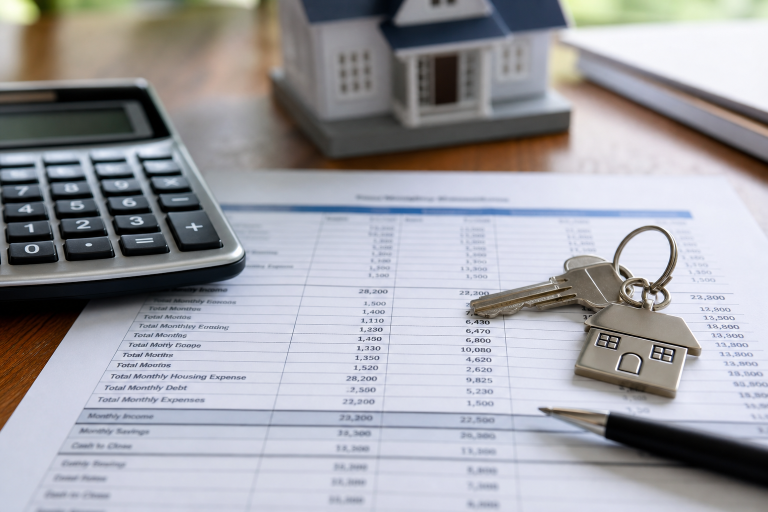
Your lender's approval amount is not automatically a comfortable spending limit. Build a monthly estimate that includes principal and interest, property taxes, homeowners insurance, mortgage insurance when applicable, association fees, utilities, and routine upkeep. Leave room for savings, existing debt, childcare, travel, retirement contributions, and the ordinary costs of living.
Before choosing a loan, use home-buying tools that explain loan costs and closing steps to compare offers with more confidence. A payment that works only when every month goes perfectly can make homeownership needlessly stressful.
Keep Cash After Closing
Closing costs, moving expenses, furnishings, and early repairs can arrive quickly. Set a personal minimum for cash reserves, then avoid treating every available dollar as part of the down payment. A smaller purchase budget may create a stronger financial position if it preserves an emergency cushion. Include realistic first-year expenses in this calculation, such as changing locks, buying window coverings, servicing equipment, purchasing basic tools, or addressing small issues that were not worth negotiating during the transaction.
3. Compare Location and Daily Convenience
A neighborhood should be evaluated through the routine you will actually live. Test the commute during typical traffic, not only during an open house. Consider access to work, schools, medical care, grocery stores, parks, transit, and major roads. Pay attention to sidewalks, parking, traffic patterns, noise, and the amount of usable outdoor space.
Visit more than once if possible. A street that feels peaceful on a weekend afternoon can feel very different during a weekday morning, evening rush hour, or after dark. Also consider local flood, wildfire, storm, or other environmental risks that could affect insurance, maintenance, and peace of mind. If practical, walk or drive the routes you expect to use most often and note details that do not appear in a listing, including difficult turns, train crossings, limited guest parking, or nearby noise sources.
4. Review the Home's Condition
Fresh paint, new hardware, and professional staging can improve a first impression, but they do not show whether major systems are in sound condition. During showings, note the apparent age and condition of the roof, heating and cooling equipment, electrical panel, plumbing, windows, insulation, and appliances.
Look for signs of moisture, uneven grading, drainage problems, foundation movement, or water damage. Ask for documentation of major repairs, permits when relevant, transferable warranties, and maintenance records. A professional inspection remains an essential part of understanding a property's condition and planning for repairs. Inspection findings should be considered in context: not every item is a deal breaker, but a pattern of deferred maintenance may indicate more time, expense, and uncertainty after closing.
5. Estimate Long-Term Ownership Costs
Create a simple two-year ownership estimate for each finalist. It does not need to predict every expense perfectly. Its purpose is to make likely costs visible before you commit.
- List repairs that may be needed soon, based on disclosures and inspections.
- Estimate routine maintenance for the home's size, age, yard, and systems.
- Confirm insurance estimates for the property rather than relying on a general average.
- Review association documents for dues, rules, reserves, and possible special assessments.
- Consider energy use, especially when windows, insulation, or equipment appear inefficient.
- Think about resale appeal if the layout, location, or features may limit future buyer interest.
Use ranges when exact costs are not available, and separate immediate expenses from items that may arise later. This approach is more useful than assuming a home will need either nothing or everything at once. A written estimate also helps you compare a move-in-ready property with one that has potential but requires gradual improvements.
6. Look Beyond the Property Lines
Your experience of a home extends beyond its lot. Review nearby construction, road projects, zoning, commercial development, school-boundary policies, community services, and neighborhood upkeep. Listing descriptions may highlight appealing nearby amenities, but they rarely provide the full context for future development.
Check local planning records and municipal resources directly when a nearby vacant parcel, busy corridor, or proposed project could affect your decision. If you want an impartial conversation about affordability or the buying process, approved housing counseling can provide guidance before you make a final commitment. It can also be helpful to distinguish between a short-term inconvenience, such as a temporary road project, and a permanent change that could affect traffic, views, noise, or access.
7. Compare Financing Options Carefully
The lowest advertised interest rate does not always produce the lowest overall borrowing cost. Compare loan estimates side by side, including the annual percentage rate, loan term, lender fees, discount points, mortgage insurance, rate-lock terms, and prepayment flexibility. Ask how long you would need to keep the loan for any upfront points to make financial sense.
Also compare the effect of different down payment amounts. A larger down payment can reduce the loan balance, but it should not leave you unable to handle repairs or emergencies. Choose financing that supports both the purchase and the life you expect to live after closing. Keep the comparison consistent by reviewing estimates for the same purchase price, loan type, and anticipated closing date whenever possible.
8. Use a Simple Home Comparison Scorecard
A scorecard gives each home a consistent review and reduces the chance that one attractive feature outweighs more important trade-offs. Rate every category from one to five, then add short notes explaining the score.
- Monthly cost: Does the total payment fit comfortably within your budget?
- Location: Does it support your work, routines, and preferred lifestyle?
- Condition: Are major systems likely to need attention soon?
- Layout: Does the floor plan work for daily life, storage, and future needs?
- Resale potential: Would the property appeal to a broad range of future buyers?
- Risk: Are there concerns involving insurance, repairs, traffic, or nearby development?
Complete the scorecard shortly after each showing, before details from several properties begin to blur together. Scores are not meant to replace judgment, but they can reveal whether a favorite home is winning because it truly fits your priorities or simply because its presentation made the strongest first impression.
9. Avoid Common Comparison Mistakes
Buyers often focus on finishes while overlooking costly systems, compare homes in very different locations as if they offer the same lifestyle, or use the full approved loan amount as the target budget. Other common mistakes include ignoring association costs, relying on a single online estimate, skipping a second visit, and assuming a larger home automatically provides better value.
Try not to make a decision based solely on urgency or fear of missing out. A competitive market may require prompt action, but a clear comparison process can still help you submit an offer that reflects both the home's strengths and the costs or risks you may be taking on.
10. Final Home Comparison Checklist
- Have you estimated all monthly housing costs?
- Have you compared the home with similar nearby properties?
- Have you reviewed the roof, HVAC, plumbing, and electrical systems?
- Have you confirmed property tax and insurance estimates?
- Have you considered nearby development and everyday travel needs?
- Will enough cash remain for repairs and emergencies?
- Does the home still make sense without the staging and décor?
Conclusion
A smart home comparison considers price, but it does not stop there. The right property is one that fits your budget, works for your daily routine, has manageable condition risks, and supports your future plans. Looking at the full ownership picture can help you choose a home with fewer costly surprises and more lasting value.


