
How to Choose the Right RV Storage Option for Your Needs
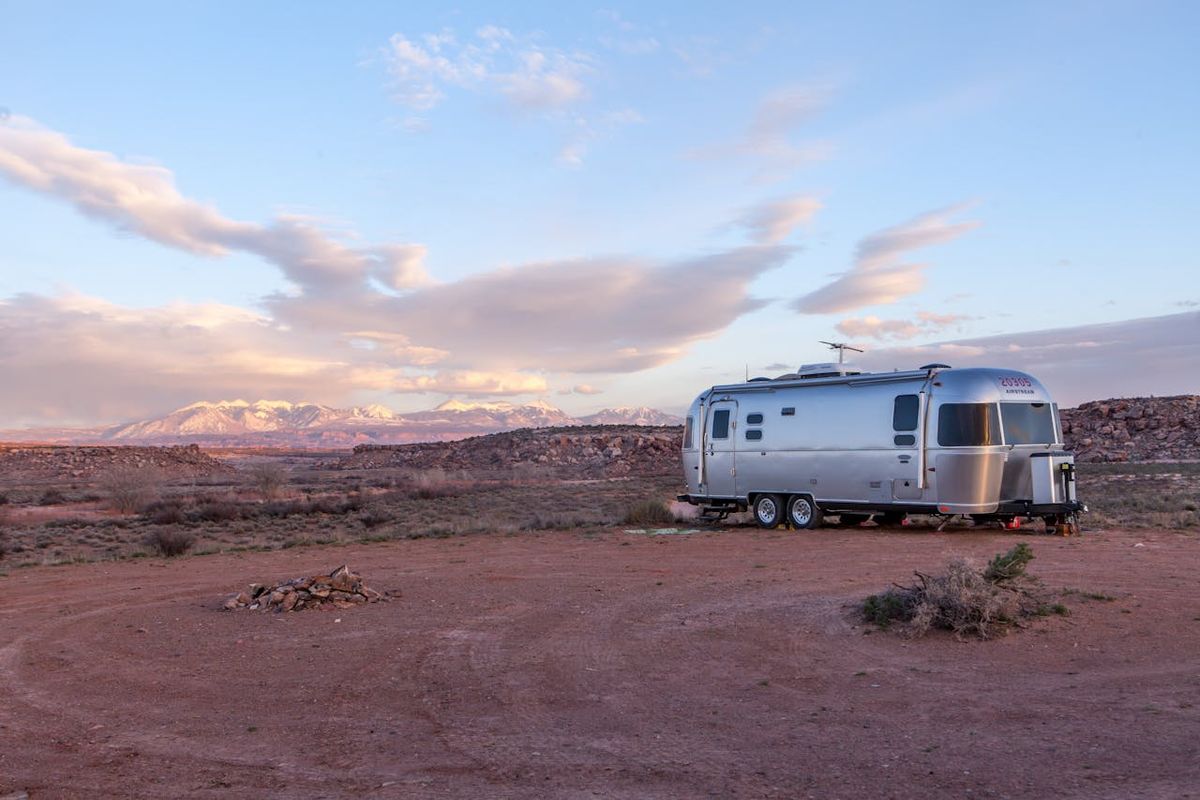
Have you ever wondered where your RV will rest safely when it's not on the open road? Many RV owners face the challenge of finding a secure and practical place to store their investment. Choosing the wrong option can lead to costly damage or unnecessary stress.
Weather, security, and budget all play big roles in this important decision. Thankfully, the right storage choice can protect your RV year-round. Each storage type offers its own benefits and drawbacks.
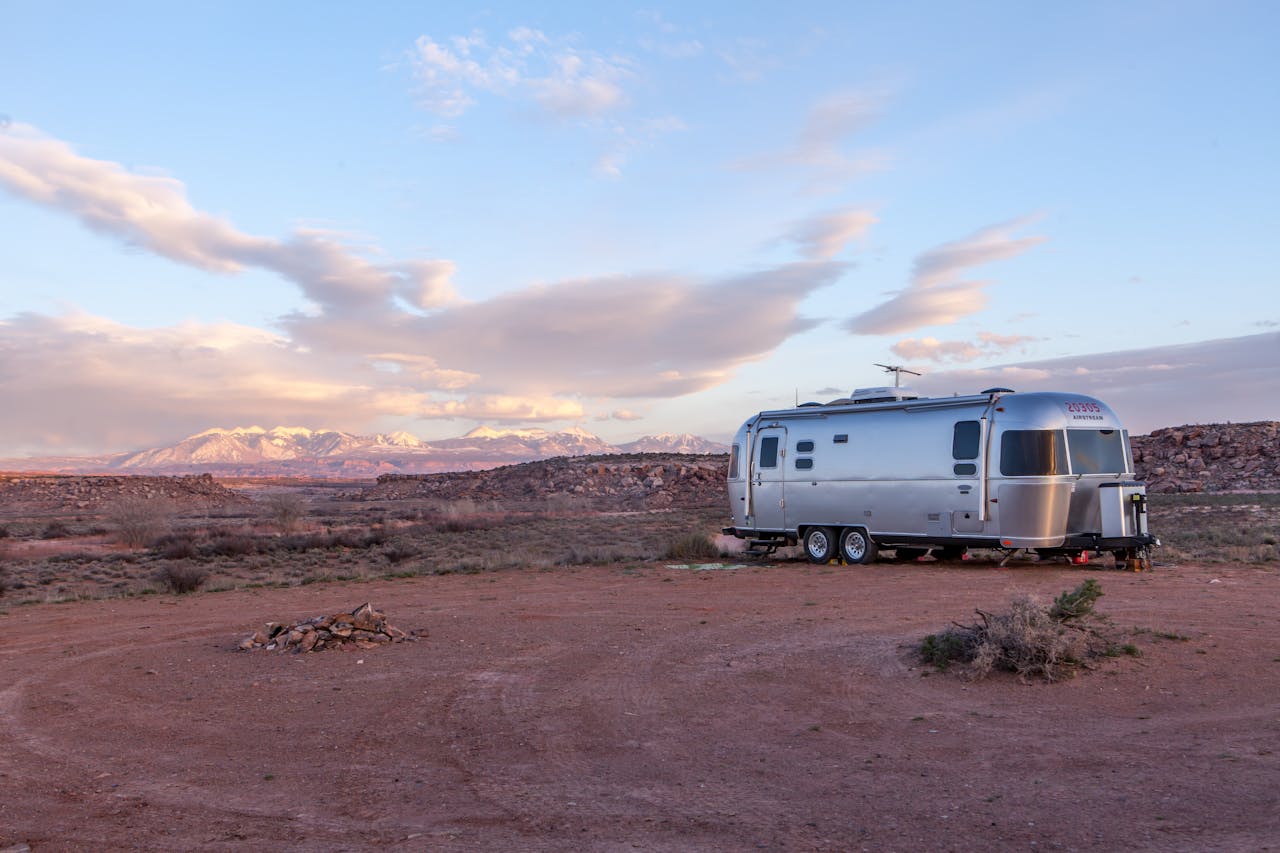
By the end of this post, you'll know exactly how to choose the right RV storage option for your needs. Read on!
Understanding Why Proper RV Storage Matters
It's important to take good care of your RV because it's like a home on wheels. Harsh weather can damage paint, seals, and tires if they are left outside without shade.
Getting too much sun can fade things, and too much water can cause rust and mold. Safe storage also helps stop theft and damage, which can be expensive to fix.
A well-thought-out storage plan will help keep the RV in good shape and increase its resale value. To put it simply, the right storage keeps your RV safe and your mind at ease.
Exploring Outdoor RV Storage
It is common for outdoor storage to be the option that is both cheap and easy to locate. Those who own recreational vehicles are able to park them in open lots, which typically have sufficient space for large rigs.
The disadvantage is that you are completely exposed to the elements, which can include anything from the sun to the wind to the rain. These conditions have the potential to shorten the lifespan of the paint and seals on the RV if it is not covered.
Outdoor areas need to have at least fencing and lighting in order to ensure basic safety. Even though it requires regular maintenance, outdoor storage is a good option for those who are working with a limited budget.
The Benefits of Covered RV Storage
A covered RV storage facility offers a step up from open lots by adding roof protection. This design shields the RV from direct sunlight, hail, and heavy rain.
The partial coverage helps extend the life of exterior finishes and reduces interior heat buildup. Though slightly more expensive than outdoor options, covered storage strikes a balance between cost and protection.
It's ideal for owners who live in areas with harsh weather or frequent storms. The added shade and shelter make a noticeable difference in the long-term condition of the RV.
Indoor RV Storage for Maximum Protection
If you want to store your RV safely, you should do it inside. The RV is protected from the weather, bugs, and vandalism by these fully enclosed spaces.
If you want to keep the temperature stable, some places even have climate control. For high-end types of RVs or older models with fragile interiors, this is especially helpful.
More expensive than outdoor storage, indoor storage is the best way to keep your things safe. This choice provides the best overall care for owners who care about safety and preservation.
Long-Term RV Storage Considerations
It's important to do the right things before putting your RV away for months or even the whole season. For long-term storage, the outside should be cleaned and all water systems should be drained so that the water doesn't freeze.
Batteries should be unplugged, and tires should be pumped up to avoid flat spots. Long-term solutions facilities often offer maintenance services to make things easier for you.
Safety should also be a top priority, especially if no one will be around to watch the RV. Choosing a facility that is supervised and has limited access will give you long-lasting peace of mind.
Seasonal Storage and Climate Concerns
Depending on the weather, storing an RV can be hard in some places. If you don't winterize your pipes and tanks properly, freezing temperatures can break them in cold places.
Mold and mildew can grow in damp places if there isn't enough airflow. Without enough shade, hot, sunny weather can fade paint and break seals. Options that are covered or inside help balance out these weather-related problems well.
Owners lower the risk of long-term damage by choosing storage that is right for the climate where they live. To store your RV wisely, you need to know what the weather is in your area.
Evaluating Security Features
When picking a place to store your RV, security features should never be an afterthought. A good building will have a gated entry, good lighting, and surveillance cameras.
Some even offer personal access codes or managers who work on-site to make things even safer. Insurance companies usually prefer storage units that are locked up because it lowers the risk of theft.
Also, owners should think about whether or not the building has perimeter alarms or locks for each unit. The RV will be safe even when no one is looking at it if you take the time to look at its safety features.
Accessibility and Convenience Factors
While protection is vital, accessibility matters too. Some facilities offer 24-hour access, which benefits owners who travel frequently.
Others may have limited hours that fit well for seasonal users. The facility's location should also be convenient, ideally close to major highways or home.
Wide driveways and large turning spaces make parking much easier, especially for big rigs. A storage option that balances accessibility with protection provides the most satisfying experience for RV owners.
Cost and Contract Details
The price of RV storage varies widely depending on location, features, and size. Outdoor lots are the most affordable, while indoor, climate-controlled units cost the most.
It's important to understand what's included in the rental fee, such as electricity or security monitoring. Contracts may require minimum rental periods or deposits, so always read the fine print carefully.
Some facilities offer discounts for long-term commitments or upfront payments. Balancing the budget with protection ensures you get the best value without unnecessary expense.
Tips for Selecting the Best RV Storage Options
Protecting your RV, staying within your budget, and ease of use are all important things to think about when choosing a storage option. Undercover and indoor facilities are better for keeping out the weather, but outdoor lots are a cheaper option.
Consider safety, ease of access, and location when making your final choice. Preparing your RV for storage can help it stay in good shape for years to come. Whichever choice you make, planning will give you peace of mind.
Did you like this guide? Great! Please browse our website for more!