
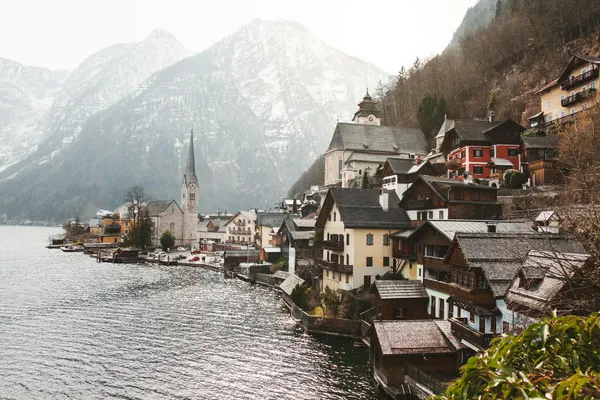
Austria’s old towns feel like living storybooks. Cobblestone lanes wander between mediaeval towers, pastel façades glow in soft Alpine light, and café terraces spill into elegant squares where history still whispers from every corner. Travelling through these cities is like retracing the footsteps of emperors, musicians, monks and merchants — people who built, shaped and guarded these places through the ages.

From fortified hilltop settlements to Baroque city centres bursting with cultural life, Austria’s old towns offer an extraordinary blend of atmosphere and authenticity. Whether you’re exploring as a family, a couple, or a solo wanderer eager to soak up local history, these cities reveal centuries of stories through architecture, traditions and everyday life.
Planning Your Austrian Journey
Many visitors begin with the country’s superb rail connections, using Austrian trains to hop seamlessly between old towns and city centres.
Reliable, clean and scenic, Austria’s rail network makes it easy to explore historic regions without driving.
Salzburg: Mozart’s Birthplace and a Baroque Masterpiece
Salzburg’s Old Town feels enchanted. Nestled between the Salzach River and steep clifftops, its skyline is pierced by church domes and the mighty Hohensalzburg Fortress, Europe’s largest mediaeval castle.
Hohensalzburg Fortress
A funicular glides up to this imposing stronghold, where battlements, courtyards and towers offer sweeping views over the city’s spires and mountains. Inside, mediaeval state rooms and museums bring centuries of power and conflict alive.
Getreidegasse
Perhaps the most charming shopping street in Austria, Getreidegasse features ornate wrought-iron guild signs, narrow passages and Mozart’s birthplace. It’s a wonderful place to browse small shops and admire pastel buildings that have stood for generations.
Baroque Beauty
Salzburg’s cathedral, Residenz Palace and Mirabell Gardens show the grandeur of the Baroque era — a time when music, faith and the arts flourished. Evening concerts held in historic venues create an unforgettable atmosphere.
Innsbruck: A Tale of Mountains and Mediaeval Streets
Surrounded by dramatic Alpine peaks, Innsbruck offers a striking contrast between rugged nature and centuries-old architecture. Its Old Town is compact, colourful and full of character.
Golden Roof
The city’s most iconic landmark, the Golden Roof, is a 15th-century balcony decorated with more than 2,500 gilded copper tiles. It once hosted royal appearances during imperial celebrations.
Maria-Theresien-Strasse
This lively boulevard leads into the historic centre, flanked by pastel Baroque buildings and framed by snowy mountain backdrops. Street cafés and market stalls give it a welcoming energy year-round.
Imperial Palace and Court Church
Both landmarks highlight Innsbruck’s deep ties to the Habsburgs. The court church features the famous cenotaph of Emperor Maximilian I, surrounded by larger-than-life bronze statues of kings, knights and warriors.
Travelling in Comfort and Style
For longer journeys, the modern Austrian Railjet service offers one of the smoothest ways to experience the country’s landscapes — from Alpine valleys to river plains.
With comfortable seating, panoramic windows and punctual schedules, it turns travel days into part of the adventure.
Graz: Austria’s Creative, Culinary Old Town
Austria’s second-largest city has one of the best-preserved old towns in Europe — a blend of Renaissance courtyards, red rooftops and Italian-influenced façades.
Schlossberg
Climb or take the funicular to this hilltop fortress for views over the terracotta roofs and winding lanes. The iconic clock tower stands proudly above the city, offering perfect photo angles.
Hauptplatz
Graz’s main square remains a lively hub lined with elegant buildings and a fountain dedicated to Archduke Johann. From here, wander into a maze of narrow streets filled with boutiques, cafés and historic courtyards.
Food Culture
Graz is a UNESCO City of Gastronomy, and its old town markets and taverns showcase Styrian flavours: pumpkin-seed oil, seasonal vegetables, hearty stews and locally produced wines.
Vienna: Imperial Grandeur and Timeless Charm
Vienna’s historic centre is a UNESCO World Heritage Site, where imperial palaces and classical music heritage intermingle with vibrant café culture.
St Stephen’s Cathedral
A masterpiece of Gothic architecture, this cathedral anchors the city centre with its multicoloured roof tiles and sharp spire. Climbing the towers gives unforgettable views of the historic streets below.
The Hofburg
Once the seat of Habsburg emperors, the Hofburg complex includes magnificent squares, museums and the Spanish Riding School. Even today, it feels like a functioning palace — elegant, enormous and full of history.
Café Tradition
Vienna’s old town cafés, from Café Central to Café Demel, offer a taste of tradition. Marble tables, chandeliers and coffee served on silver trays are reminders of an age when intellectuals, artists and political thinkers gathered here daily.
Linz: A Riverside Old Town with an Artistic Spirit
Though often overshadowed by Vienna and Salzburg, Linz has a quietly charming historical centre framed by the Danube River.
Hauptplatz
One of the largest squares in Austria, Hauptplatz is surrounded by Baroque buildings and anchored by the Holy Trinity Column. The colourful façades create a cheerful atmosphere for diners and pedestrians.
Old Cathedral and Castle Museum
Linz’s Old Cathedral and its nearby castle museum reveal centuries of religious and civic life, along with views over the river and rolling hills.
Modern Meets Mediaeval
Linz blends history with innovation — traditional streets sit alongside digital arts venues and creative hubs like the Ars Electronica Center.
Krems and the Wachau Valley: Riverside Romance
Just an hour from Vienna, the Wachau Valley is one of Austria’s most beautiful landscapes, dotted with vineyards, apricot orchards and mediaeval towns.
Krems Old Town
Krems features atmospheric stone arches, merchant houses and a relaxed riverside ambience. Its narrow streets lead to wine taverns where visitors can taste local Grüner Veltliner and apricot liqueur.
Dürnstein
Nearby, the fortified village of Dürnstein clings to the cliffs. Its blue and white church tower is iconic, and the ruins of the castle where Richard the Lionheart was held captive offer a scenic climb.
Why Austria’s Old Towns Feel So Special
Travelling through Austria’s historic centres reveals:
- architecture shaped by centuries of empire, trade and craftsmanship
- a blend of mediaeval, Renaissance and Baroque styles
- lively cafés, markets and festivals that keep traditions alive
- mountain and riverside views that frame every settlement beautifully
- efficient transport that makes exploring stress-free
Each town offers its own personality, from Salzburg’s musical elegance to Innsbruck’s mountain-city vibrancy, Vienna’s imperial grandeur and Graz’s creative energy.
Final Thoughts: Stories Etched in Stone
Austria’s old towns are time capsules — places where history hasn’t been fenced off, but instead lives on through daily life. You might hear church bells echo through narrow lanes, smell pastries drifting from centuries-old bakeries or spot frescoes peeking from the walls of ancient courtyards.
Whether you explore as a family, a curious traveller or a history enthusiast, these towns invite you to slow down, wander and let the centuries reveal themselves. And with reliable rail connections, breathtaking scenery and warm local hospitality, Austria makes discovering its historic hearts both easy and unforgettable.