
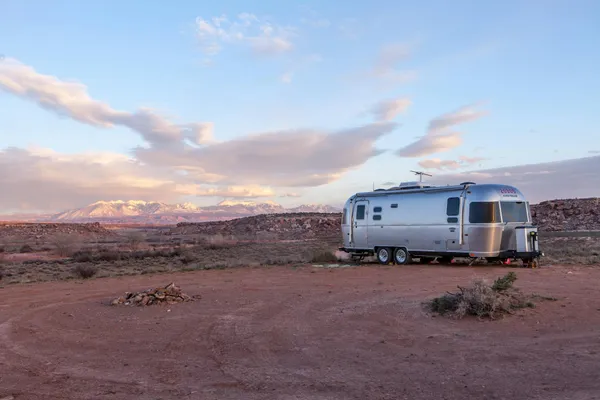
Going from a house or rental to full-time RV living is more than just a mental adjustment. It also means having to downsize. With significantly smaller square footage, downsizing your belongings is one of the most important obligations you’ll have to make.

If you’re looking for effective tips to declutter and scale back on your possessions, look no further. Below are some strategic words of advice you’ll want to consider.
1. Consider the Essentials First
Don’t wait to start the downsizing process. Before even speaking with RV dealers Utah, consider getting a head start.
Instead of thinking about what you want to keep, first think about what you need to keep. What you want and what you need are two completely different things.
So, make a list of all the things you consider essential to keep. For you, this might mean your microwave, food processor, TV, suitcase, filing cabinet, space heater, cordless drill, fitness equipment, or bicycle.
What you may need or find essential might be different from another person’s idea of what is a necessity. Your needs will also vary based on your personality, lifestyle, career, and specific circumstances, like whether you have pets and/or children.
2. Go Room by Room
After figuring out what you absolutely need to keep, you can start looking at what you don’t need or want. However, this is the part that many people struggle with. With so many belongings, they don’t know where to start.
Our advice is to focus on one room at a time. Maybe you’ll consider knocking out the smaller rooms first, like the laundry room and bathroom. Or, maybe you’ll prefer tackling the larger rooms first, like the living room and kitchen.
Breaking up downsizing by room can help you stay focused and celebrate progress step by step. It can truly make this big process seem smaller and less chaotic for anyone.
3. Ask Yourself if an Item Sparks Joy or Has Intent
While attempting to downsize, you may come across the issue of not knowing if you should get rid of a particular item or not. On one hand, you might believe a certain item should be kept. On the other hand, you remind yourself that maybe you’d do just fine without it.
When deciding whether keeping or getting rid of an item is the right decision, ask yourself:
● Does this item spark joy?
It should make you happy, excited, sentimental, or bring back memories. It might be associated with the past, a hobby you have, or something you love.
● Does this item have intent?
Items with intent don’t always have to be considered “necessities.” Rather, they have purpose and use, not just in general but to you in specific and preferably at this point in time. They may help you reach your goals or get things done more easily.
If you can answer no to both, then the item is likely worth getting rid of.
4. Sort Items into Different Categories
As you go through your belongings in each room, create different piles to place each item in. Have a “keep” pile along with piles for “trash,” “sell,” and “donate.” You may also consider having a “give away” pile with the intent to give those belongings to certain people in your life, especially items that are tied to memories.
When deciding whether an item belongs in the sell or donate pile, think of the quality and value of the item. Is it an expensive designer shirt? Consider selling or giving it to someone special you know. Or if it’s an item that has decent wear but is still functional and looks decent overall, donating might be the better option. For items that are rugged or broken, consider tossing.
5. Be Practical
One of the biggest reasons we hold onto a particular item isn’t just because of our emotional attachment to the item; we may also hold “hope” or have unrealistic “dreams” about the use of that item.
For example, say you have outdated pants from the 80s. Be realistic: are you going to be brave enough to walk out in those again?
Or, maybe you have a button-up shirt two sizes too small for you. Let’s be real: are you actually going to “wait” until if and when you lose weight to wear it again? And say you do lose weight: will it be years later, when you don’t even like the shirt anymore, or it’s no longer in style?
As another example, say you have a piece of furniture you love, but the style of it clashes with every other piece of furniture you own. Realistically speaking, you’ll probably never be able to incorporate it into your interior design unless you change out all your other furniture.
The point is, when determining whether to keep an item, you have to think logically. Does it serve you now or will it serve you in the future? Or, is it something that simply takes up space because you don’t have the courage to give it up just yet, even though you know deep down you don’t want or need it?
It’s okay to keep some items for collection purposes or even just in case. However, when “just in case” spans years, and you have a lot of just-in-case items, that’s when you have a problem.
6. Think About Getting a Storage Unit
There’s no shame in wanting to own a variety of belongings. It’s only natural to want and need different items, especially in our consumer culture today. But of course, the limited space of an RV doesn’t exactly make owning a lot of items possible.
If you’ve already done all the latter and still feel you need to scale back on more items, consider renting a storage unit to store any extra belongings.
Storage units are particularly helpful when storing sentimental possessions, vintage items, or items you’re collecting. Items you’re intending to sell but have yet to, can also be stored temporarily in a storage unit.
Conclusion
Permanently moving into an RV is not for everyone. It requires a lot of devotion, trade-offs, and full-on sacrifices. While downsizing to fit your entire life into one RV might seem impossible, there are ways to successfully achieve this. From thinking practically to getting a storage unit, there is a lot you can do to make RV life more strategic.