Foundations of Early Childhood Education

Age Eligibility and Transition Milestones from Toddlerhood to Pre-K
Understanding the right time for your child to begin their early learning journey can feel overwhelming. The years before kindergarten are incredibly important for a child's growth. Research consistently shows that high-quality early childhood education provides a strong foundation for their future academic and social success. This comprehensive guide aims to simplify the process for you.
We will explore the typical age ranges for pre-K programs, delve into state eligibility requirements, and discuss the key developmental milestones that signal readiness. We will also compare the differences between programs for three-year-olds versus four-year-olds, provide insights into application timelines, and highlight the crucial quality indicators to look for in a pre-K environment. Our goal is to empower you with the knowledge to make informed decisions for your child's foundational years.
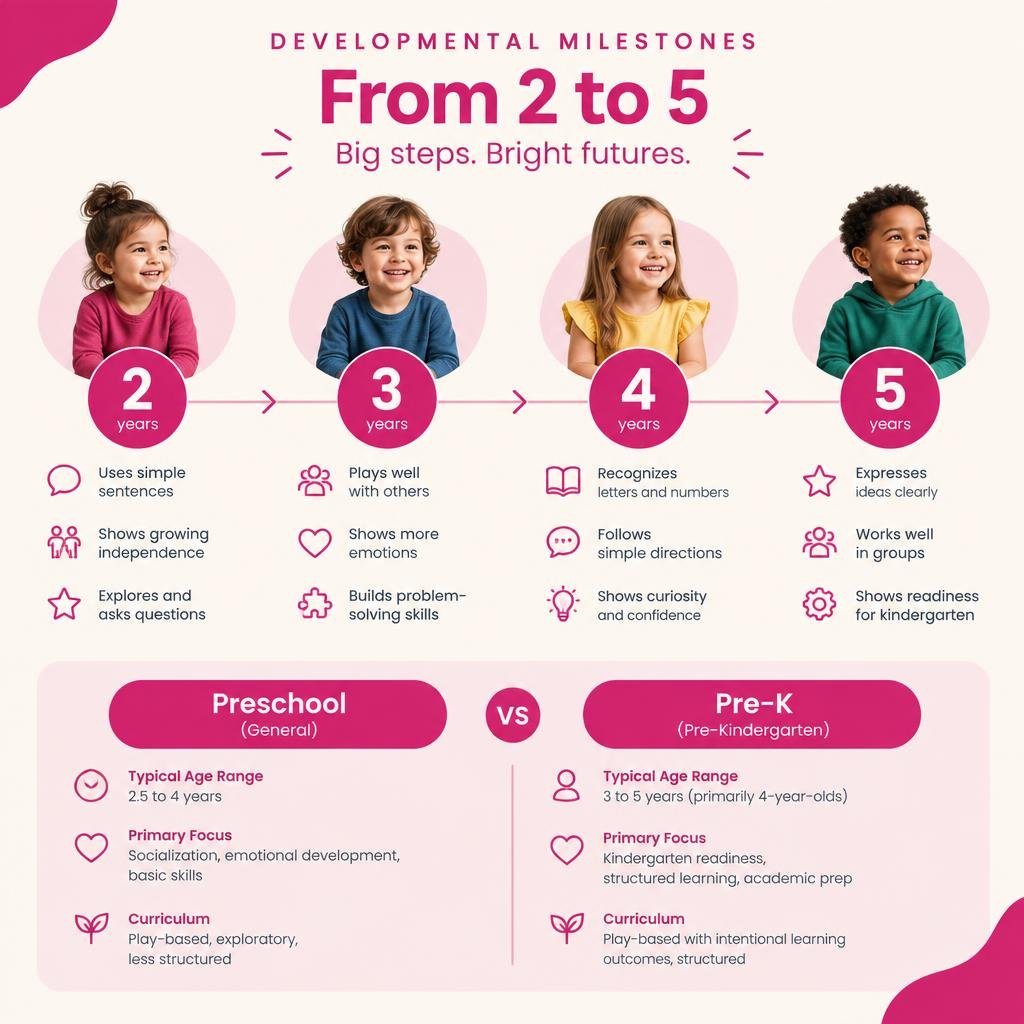
Determining the ideal age for a child to begin a pre-K program is a common concern for many families. While the term "preschool" often encompasses a broader age range (typically 2.5 to 4 years), "pre-K" specifically refers to programs designed for children in the year or two immediately preceding kindergarten. Most public pre-K programs in the United States target children who are four years old, though many private and state-funded initiatives also cater to three-year-olds.
Age eligibility depends on the program’s cutoff date. September 1 is used by some programs, but dates vary by state, district, and school. For the 2026–2027 school year, confirm the exact birthdate requirement directly with the program before applying. Ask about options if your child’s birthday falls after the cutoff.
Beyond a child's birthdate, developmental timing plays a significant role. Readiness for preschool or pre-K isn't solely about age; it also involves a child's desire to explore, engage socially, and test boundaries. Parents often observe that their child seeks more interaction with peers, shows curiosity about learning, or demonstrates a growing independence that suggests they are ready for a more structured, group environment. The transition from home to a pre-K setting is a significant step, and preparing children emotionally and practically can ease this process.
To clarify the landscape of early childhood programs, it's helpful to understand the distinctions between different models.
Preschool and Pre-K: Key Differences
- Preschool: Often serves younger children, emphasizing social development, independence, and learning through play.
- Pre-K: Usually serves children approaching kindergarten, combining play with intentional school-readiness activities.
- Program structure and funding: Age ranges, schedules, tuition, and public funding vary by provider and location.
Distinct Pathways for Three-Year-Olds and Four-Year-Olds
While both age groups benefit immensely from early learning, programs for three-year-olds and four-year-olds often have distinct focuses and structures.
For three-year-olds, the emphasis is heavily on toddler socialization and fostering independence. Many programs for this age, sometimes referred to as "preschool-3," prioritize developing self-regulation, managing separation anxiety, and encouraging independent exploration. Children at this age are learning to share, take turns, and navigate group dynamics, often for the first time in a formal setting. Potty training, while not always a strict requirement for enrollment, is often a developmental milestone that programs encourage children to achieve for greater independence and comfort within the classroom. The classroom environment for three-year-olds typically features more free play, sensory activities, and opportunities for parallel play that gradually evolve into cooperative play.
Four-year-olds, in "pre-K-4" programs, are generally more prepared for structured learning. While play remains central, the curriculum increasingly focuses on kindergarten preparation. This includes more intentional activities designed to build foundational literacy and numeracy skills, alongside continued social-emotional growth. Children are expected to follow multi-step directions, engage in longer group activities, and begin to develop early problem-solving skills. The goal is to ensure a smooth transition to kindergarten, where they will encounter more formal academic expectations.
Structuring Play-Based Early Childhood Education Frameworks
Regardless of the specific age group, high-quality pre-K programs universally embrace play-based learning. This approach recognizes that young children learn best through active engagement, exploration, and discovery. Within this framework, educators skillfully integrate specific developmental goals.
For instance, children engage in inquiry learning by exploring materials, asking questions, and experimenting. Fine motor skills are honed through activities like drawing, cutting, building with small blocks, and manipulating puzzles. Gross motor skills are developed through outdoor play, running, jumping, and balancing activities. These physical developments are crucial for overall growth and for later academic tasks like writing.
Executive function skills—such as attention, memory, and self-control—are nurtured through guided play. Teachers might set up scenarios that require children to plan, sequence, and adapt, like building a complex structure or organizing a pretend store. Language acquisition is continuously supported through rich conversations, storytelling, songs, and exposure to a wide range of vocabulary. Programs often use specific "Language of Instruction" vocabularies to help children internalize academic language, preparing them for the demands of kindergarten and beyond. This holistic approach ensures that children develop across all domains, not just academically, setting them up for success in their ongoing educational journey.
Core Developmental Domains in Early Childhood Education
High-quality early learning programs, whether for three-year-olds or four-year-olds, are meticulously designed to foster holistic development across several key domains. These domains include social-emotional, cognitive, physical, and language development, all interwoven into daily activities. Frameworks like the Core Knowledge Preschool Sequence and the Texas Prekindergarten Guidelines exemplify this comprehensive approach, ensuring that curriculum mapping targets a broad spectrum of skills essential for school readiness.
Social-Emotional Regulation and Independence
A cornerstone of early childhood education is the development of social-emotional skills. In pre-K, children learn emotional literacy—identifying and expressing their feelings appropriately. They acquire coping mechanisms for frustration, disappointment, and conflict, often through guided practice and teacher modeling. The ability to self-regulate, manage impulses, and follow classroom routines is paramount for success in a group setting.
Independence is also a major focus. This includes practical life skills like self-feeding, dressing, and tidying up. Potty training, while sometimes a prerequisite for certain programs, is more broadly seen as a developmental milestone that signifies a child's growing autonomy and body awareness. Programs actively encourage peer interaction, teaching children how to share, cooperate, and resolve minor disagreements. Through these experiences, children learn self-advocacy—the ability to communicate their needs and desires respectfully. Best practices emphasize clear, positive rules and consistent routines to help children feel secure and confident in their environment.
Foundational Literacy, STEM, and Interdisciplinary Concepts
Beyond social-emotional growth, pre-K curricula lay critical groundwork for academic learning, integrating foundational literacy, science, technology, engineering, and mathematics (STEM) concepts.
In literacy, children develop phonemic awareness (the ability to hear, identify, and manipulate individual sounds in spoken words), print concepts (understanding that print carries meaning, directionality of reading), and a love for books and storytelling. They engage with nursery rhymes, fingerplays, and early writing activities that build pre-reading and pre-writing skills.
STEM integration in pre-K is hands-on and inquiry-based. Children explore mathematical reasoning through patterns, classification, geometry, measurement, and early numeracy (counting, recognizing quantities up to four or five objects). Science involves observing the living and material worlds, asking "why" questions, and simple experimentation. Dedicated STEM labs, even at the pre-K level, foster curiosity and problem-solving. For instance, children might build structures with blocks (engineering), observe plant growth (science), or use simple tools (technology).
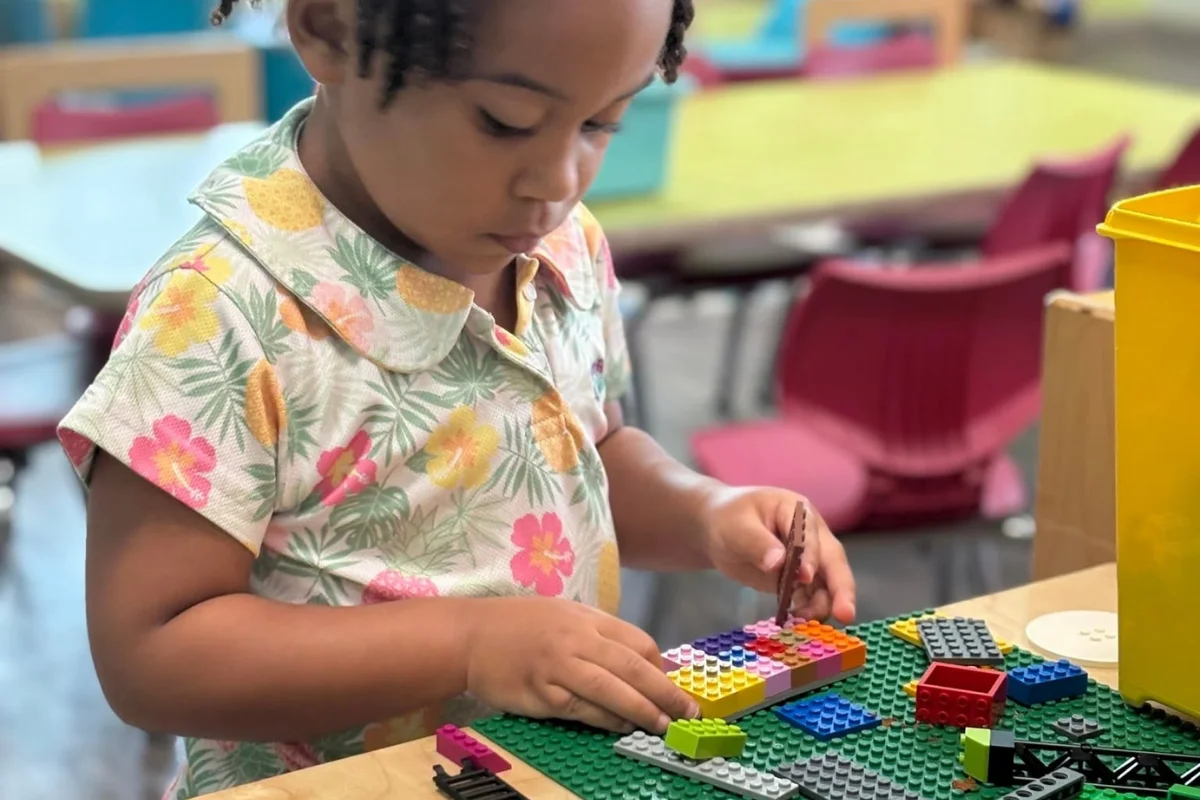
The beauty of a well-designed pre-K curriculum is its interdisciplinary nature. A block-building activity isn't just about fine motor skills; it also involves spatial reasoning (math), collaboration (social-emotional), and descriptive language (literacy). This holistic approach ensures that learning is engaging, meaningful, and deeply integrated, preparing children not just for kindergarten, but for a lifelong journey of discovery. For a deeper dive into the distinctions and benefits of various early learning programs, exploring resources on early childhood education can provide valuable insights.
State Initiatives, Program Funding, and Quality Standards
The landscape of pre-K programs across the United States is significantly shaped by state initiatives, funding models, and mandated quality standards. These elements collectively determine access, affordability, and the educational quality children receive. Many states recognize the profound impact of early learning and are investing in universal or targeted pre-K programs.
Michigan's "Strong Beginnings" program, for example, is a state-wide pilot that has seen rapid expansion, aiming to provide free, high-quality pre-kindergarten for three-year-olds. News reports from September 2026 highlight that this program is projected to serve 750 children across 50 classrooms, a 58% increase from the previous year. This expansion, funded through state efforts like the "PreK for All" strategy, is a testament to the growing understanding that an extra year of early learning before kindergarten yields significant benefits. Such initiatives often focus on underserved communities, partnering with Head Start sites and local districts to expand capacity and provide support services to families, including assistance with employment and education.
Similarly, New Jersey's long-standing Abbott program (now known as "Abbott districts") exemplifies a robust state-funded model that provides comprehensive pre-K for all three- and four-year-olds in qualifying high-need districts. These programs often receive substantial per-child investment, sometimes exceeding K-12 spending, to ensure high-quality services. The commitment to universal access in these districts demonstrates a proactive approach to educational equity, recognizing that early learning can significantly narrow achievement gaps.
Evaluating Quality Metrics in Early Childhood Education Settings
The quality of a pre-K program is not solely determined by its curriculum but also by its operational standards. Key quality metrics include:
- Staff-Child Ratios: Lower ratios ensure more individualized attention and support for each child. For instance, NC Pre-K programs require a 1:9 staff-to-child ratio, while some states might have slightly higher ratios for 4-year-olds.
- Educator Credentials: Highly qualified teachers are crucial. Many state programs, like New Jersey's Abbott, require pre-K teachers to hold a BA degree and certification in pre-K–3, with assistant teachers also meeting specific educational standards (e.g., high school diploma or CDA equivalent). Ongoing professional development is often mandated to keep educators current with best practices.
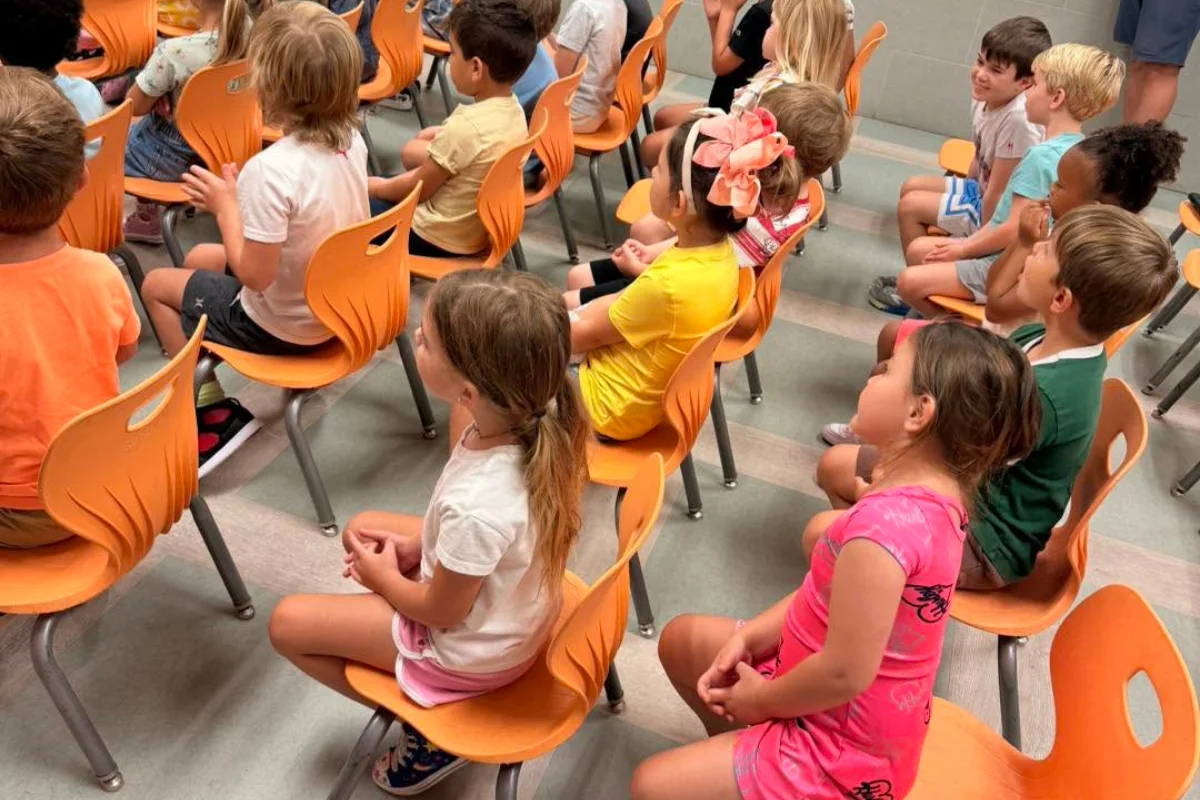
- Class Size: Smaller class sizes contribute to a more manageable and effective learning environment. Arlington ISD, for example, caps its full-day pre-K 4 classes at 22 students with one certified teacher and one teaching assistant, ensuring a favorable adult-to-child ratio.
- Accreditation Benchmarks: Programs that pursue accreditation from recognized bodies (e.g., NAEYC, APPLE in Florida) often exceed minimum state standards, demonstrating a commitment to excellence.
- CLASS Assessments: The Classroom Assessment Scoring System (CLASS) is a widely used observational tool that measures the quality of teacher-child interactions, which are critical for children's social and cognitive development. Programs often incentivize teachers to achieve high CLASS scores through bonuses and professional development opportunities.
Public Subsidies and Tiered Access Models
Access to pre-K programs often depends on a family's income and residency. Many states operate tiered access models:
- Universal Pre-K: Some cities and states, like New York City, guarantee a free pre-K seat for every four-year-old, regardless of income. Arlington ISD also offers free universal pre-K for all 4-year-olds.
- Income-Eligible Programs: Programs like NC Pre-K target families with incomes below a certain threshold (e.g., 75% of the State Median Income), with exceptions for children with risk factors such as disabilities or limited English proficiency. Head Start also serves low-income families, often providing comprehensive services beyond education.
- District Seats: Local school districts may offer pre-K programs, with enrollment priority often given to residents within the district boundaries.
- Extended-Day Services: For working parents, extended-day and year seats are crucial. These often come with additional eligibility criteria or fees, sometimes subsidized by federal grants or state funds, as seen in NYC's Pre-K offerings.
- Multilingual Support: Many programs recognize the importance of supporting emergent multilingual learners, offering bilingual classrooms or language support services to ensure all children can thrive.
- Community Partnerships: Collaborations between public school districts, private child-care centers, and community organizations are common strategies to expand pre-K capacity and reach more families, as exemplified by Michigan's Strong Beginnings.
Despite these efforts, challenges remain. In Brevard County, Florida, for instance, the Voluntary Pre-Kindergarten (VPK) program for four-year-olds, while required for eligibility, has faced significant wait-lists due to limited funding. As of October 2017, the wait-list comprised 936 children, highlighting the ongoing need for increased state funding to meet demand and ensure all eligible children have access to high-quality early learning opportunities.
Enrollment Timelines and Readiness Indicators for Incoming Families
Navigating the pre-K application process requires understanding specific enrollment timelines and recognizing key readiness indicators in your child. Application cycles for the 2027-2028 school year often begin well in advance, sometimes as early as the fall of 2026, with priority deadlines typically in December or January. For example, Sandy Spring Friends School's priority deadline for the 2027-2028 school year is December 15, 2026, with admission decisions released in February 2027. Online registration for the 2026-2027 school year in Arlington ISD, for instance, opened in April 2026. It's crucial to check your local district or preferred program's website for exact dates.
The application process often involves several steps: submitting an inquiry, completing an application form and paying a fee (though waivers are often available), providing teacher recommendations (if applicable from previous programs), and participating in parent/guardian interviews. Many programs also include a playgroup visit or screening assessment, such as the Brigance Early Childhood Screen III, to observe the child's developmental level and social interactions. Keeping track of application status through online portals and gathering all necessary registration records (birth certificate, proof of address, immunization records) are essential.
While age is a primary determinant, a child's developmental readiness is equally important. Experts and experienced educators highlight several signs that indicate a child is prepared for a pre-K environment:
- Independence: Can your child separate from you without excessive distress? Can they manage basic self-care tasks like eating independently, washing hands, and (ideally) being potty trained? Potty training is a common requirement for many programs, though some may offer flexibility.
- Social Interaction: Does your child show interest in playing with other children? Can they share toys and take turns, even with some guidance?
- Communication Skills: Can your child express their needs and wants verbally? Can they understand and follow simple instructions?
- Attention Span: Can your child focus on an activity for a short period (e.g., 5-10 minutes)?
- Curiosity and Desire to Learn: Does your child show eagerness to explore new things and ask questions?
- Ability to Adapt: Can your child adjust to new routines and environments with reasonable ease?
Establishing Home Routines and Transition Support
Preparing your child for pre-K extends beyond paperwork; it involves establishing supportive home routines and providing emotional transition support.
- Predictable Schedules: Begin to introduce a predictable daily routine that mimics a school day, including consistent meal times, playtime, and quiet activities.
- Sleep Hygiene: Ensure your child has a consistent bedtime and adequate sleep, as this significantly impacts their ability to focus and regulate emotions during the day.
- Open Houses and Visits: Attend open houses or schedule classroom visits with your child. Familiarity with the new environment and meeting the teachers can significantly reduce anxiety.
- Self-Dressing Skills: Encourage independence in dressing by selecting clothes that are easy for them to manage (e.g., elastic waistbands, slip-on shoes).
- Gradual Orientation: If possible, consider programs that offer a gradual orientation period, allowing children to attend for shorter periods initially or with a parent present, before transitioning to full-day attendance.
- Talk About Emotions: Discuss their feelings about starting school, both positive and potentially anxious ones. Reading books about starting school can also be helpful.
By proactively addressing these areas, families can create a smoother, more positive transition into the pre-K environment, setting their child up for success.
Frequently Asked Questions About Early Learning Programs
We understand that parents often have many questions when considering early learning programs for their children. Here, we address some of the most common inquiries to help you make informed decisions.
At what exact age should a child enter pre-K programs?
The exact age for pre-K entry can vary significantly depending on the program type, state regulations, and local district policies. Generally, most public pre-K programs are designed for children who are four years old by a specific cutoff date, most commonly September 1st of the enrollment year. For example, to enroll in a pre-K 4 program for the 2026-2027 school year, a child would need to turn four on or before September 1, 2026.
However, many private preschools and some state-funded initiatives, like Michigan's Strong Beginnings, also offer programs for three-year-olds. These programs might have a similar September 1st cutoff for three-year-olds. It's crucial to check with your specific state's department of education or local school district for their precise chronological age requirements. While chronological age is the primary criterion, a child's developmental maturity also plays a role in determining if they are truly ready for the structure and social demands of a pre-K environment.
What developmental signs show a child is ready for structured classrooms?
Beyond age, several developmental signs indicate a child's readiness for a structured pre-K classroom:
- Potty Training: While not always a strict requirement, being fully potty trained is a significant indicator of independence and self-control, and it often makes the transition smoother for both the child and the program.
- Routine Following: The ability to understand and follow simple routines and multi-step instructions is essential for classroom participation.
- Verbal Communication: The child can express their needs, wants, and feelings clearly enough to be understood by adults and peers. They can also engage in basic conversations.
- Social Interest: Showing a desire to interact with other children, share toys, and take turns (even with some prompting) indicates social readiness.
- Separation Comfort: While some initial separation anxiety is normal, the child should be able to separate from their primary caregiver for a few hours without extreme distress.
- Self-Help Skills: Basic independence in tasks like putting on a coat, opening a lunchbox, or cleaning up after themselves.
- Attention Span: The ability to focus on a task or listen to a story for a short period (e.g., 5-10 minutes).
Parents should consider these indicators in conjunction with age to determine the best fit for their child.
How do educator ratios and class sizes impact early learning outcomes?
Educator-to-child ratios and class sizes are among the most critical quality indicators in early learning programs, directly impacting children's developmental and academic outcomes.
- Individualized Instruction: Lower ratios (fewer children per adult) allow teachers to provide more individualized attention, tailor activities to each child's needs, and offer targeted support. For example, a 1:9 ratio, as seen in NC Pre-K, means each child receives more direct interaction and feedback.
- Behavioral Support: With fewer children, educators can more effectively manage classroom behavior, intervene in conflicts constructively, and teach social-emotional skills. This leads to a more positive and productive learning environment.
- Teacher Interaction Quality: Research, often measured by tools like the CLASS assessment, consistently shows that lower ratios correlate with higher-quality teacher-child interactions. These interactions are fundamental for cognitive growth, language development, and social competence. When teachers are not overwhelmed by large numbers, they can engage in more meaningful conversations, ask open-ended questions, and provide richer learning experiences.
- Safety and Well-being: Adequate staffing ensures better supervision and response to children's physical and emotional needs, contributing to a safer and more nurturing environment.
Conversely, high ratios and large class sizes can lead to less individual attention, increased behavioral issues, and reduced opportunities for meaningful learning, potentially diminishing the benefits of pre-K. Therefore, when evaluating programs, we strongly recommend inquiring about their specific staff-child ratios and maximum class sizes.
Conclusion
The journey through early childhood is a period of remarkable growth and discovery, and the decision of when and where to begin a pre-K program is one of the most significant choices families make. As we have explored, the "pre-K age" is not a singular, fixed point but rather a dynamic interplay of chronological age, state regulations, and, most importantly, a child's unique developmental readiness.
High-quality pre-K programs serve as a vital foundational investment, fostering not only academic preparedness but also crucial social-emotional skills, independence, and a lifelong love for learning. Whether a child starts at three or four, the benefits of a well-structured, play-based environment—characterized by low staff-child ratios, qualified educators, and a comprehensive curriculum—are profound. These programs nurture curiosity, build resilience, and equip children with the essential tools they need to thrive in kindergarten and beyond.
By understanding eligibility criteria, recognizing developmental milestones, and actively engaging in the application process, families can confidently navigate the options available. The commitment to providing every child with a strong start in early learning is a shared responsibility that yields immeasurable returns, shaping not just individual futures but the fabric of our communities.