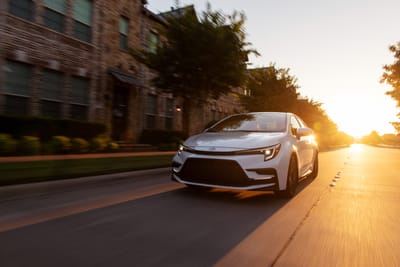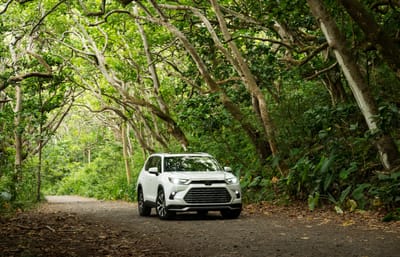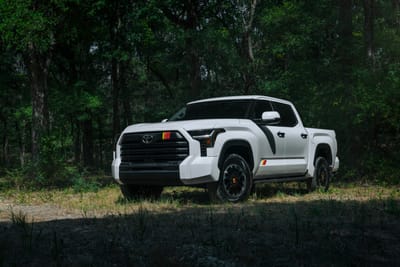

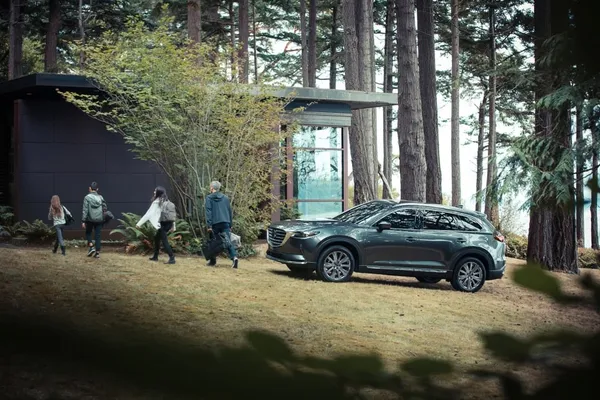
When you’re trying to balance family life and stick to a budget, finding something affordable, yet practical and reliable, can be a bit of a challenge. But with the right strategies, your second car doesn’t have to be expensive.
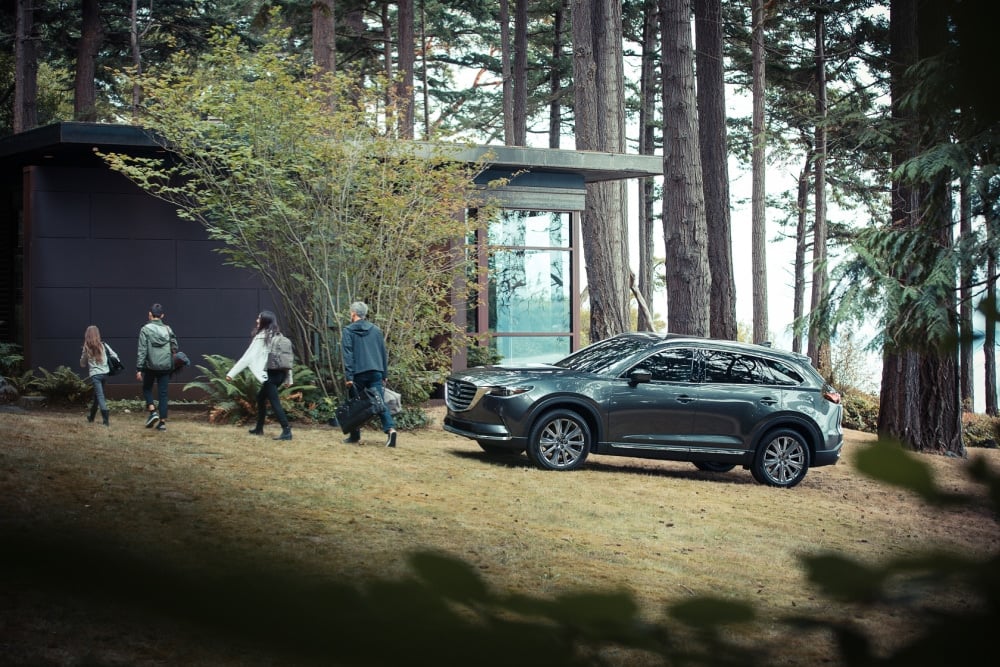
There are several ways to make your purchase work for you, particularly with the advantages of multi-car insurance, which can help offset some of the added expenses.
Here's how to get the most for your money.
Choose a Fuel-Efficient or Low-Tax Vehicle
Petrol prices can leave us wincing every time we fill up. Cars that fit into a lower Vehicle Excise Duty band due to low carbon emissions can make a huge difference, as you pay less tax. Consider smaller petrol models, hybrids or even electric cars, that are fuel efficient and have low carbon emissions, such as:
- Toyota Yaris Hybrid – Perfect for city driving.
- Honda Jazz Hybrid – Has roomy, flexible interior, which is perfect for families.
- Volkswagen Polo 1.0 TSI – Has a spacious boot, yet compact design.
- Hyundai Ioniq Hybrid – Known for its fuel efficiency, particularly in urban settings, it is comfortable and well-equipped for family days out.
Buy Nearly New or Certified Used Cars
The idea of a brand-new car can be tempting but new cars lose value fast. By picking up a car that’s a few years old, you’re dodging a massive depreciation hit. Be sure to look for certified used cars, which usually come with a warranty and have passed a thorough inspection.
Most dealerships offer flexible finance plans. A good one to look out for is 0% APR finance deals. These deals allow you to spread the cost without paying interest, which can save you a fair bit of cash over the term of the loan.
Compare Ownership Costs Beyond Purchase Price
Some cars may seem affordable initially but come with high running costs. You need to consider other costs like insurance, MOTs, maintenance, and repairs.
Reliable, budget-friendly family cars like a Skoda Octavia or Hyundai may cost a bit more upfront but save you money in the long run with cheaper parts and repairs. To get a clearer picture of long-term costs, you can use cost comparison tools online to estimate a car’s running costs.
Combine Insurance Policies for Greater Savings
A simple trick to save some extra cash is to bundle your car insurance. If you’re already insuring one car, adding the second car to your policy can save you a fair bit.
It’ll make life easier much easier. You’ll have one renewal date to remember, and managing your policies will be a whole lot simpler. Just make sure to shop around for the best multi-car insurance deals to get the most bang for your buck.
Schedule Routine Maintenance to Avoid Future Costs
No one wants to spend their weekend sorting out car repairs, especially when there’s a game or a family BBQ to get to. But keeping up with routine maintenance is key to avoiding those big, expensive surprises down the line. Consider creating a maintenance checklist for your car, and check:
- Oil and Filter Change as recommended in the manual
- Tyre Pressure monthly and before long trips
- Brake Pads every 12,000 miles or if you notice unusual sounds or performance
- Battery Health twice a year for corrosion and wear
- Spark Plugs every 20,000 to 30,000 miles
- Transmission Fluid every 30,000 miles (if applicable)
- Alignment and Suspension annually or if the car pulls to one side
So, there you have it. You can find a second family car that fits your budget and won’t leave you financially stressed. It’s all about being smart with your choices and looking at the long-term costs. Get the car that ticks all the boxes for your family without harming your finances, and with these tips, you’ll do just that.