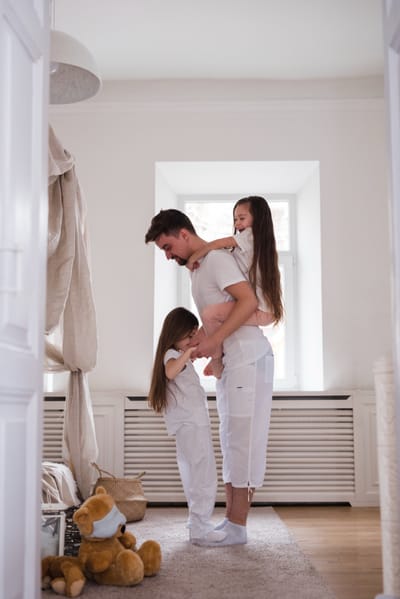


A morning’s comfort begins long before stepping outside. Fabric, cut, and color respond to the quiet language of the weather. Clothes shift with light, humidity, and habit, marking subtle turns of the year. The difference between strain and ease often lies in the small attention paid to temperature, movement, and the way layers breathe together.

Seasonal dressing makes repetition feel rhythmic. Warm months call for lightness, cold ones for structure, yet both reward curiosity more than rules. Choosing clothes by touch and timing brings ease to daily decisions and builds quiet confidence. When garments follow your climate and calendar, every day feels deliberate, not rehearsed.
Textures That Match the Moment
Breathable materials like cotton and linen keep warm-weather outfits light, drawing heat away while holding their shape. Texture matters as much as color—smooth finishes cool faster, while open knits move air freely across the skin. Light jewelry, such as silver or pearl studs, complements this balance, adding subtle brightness without distraction. Let the fabric’s structure set the pace, keeping each piece easy and refined without losing silhouette or comfort.
When days cool, wool, corduroy, and brushed cotton add quiet weight without bulk. Their denser textures insulate and create depth when paired with softer linings. Balance rough with smooth to prevent friction and maintain ease of movement. Store garments where air circulates and fibers relax, so each layer returns ready for the next rotation of the season.
Layering That Moves With You
Layering follows movement as much as temperature. Start with a soft base that wicks moisture and stays smooth against skin, then add mid-layers that flex through different parts of the day. Each piece should breathe and recover shape easily, keeping comfort steady without stiffness or sag. Think of balance, not bulk—let weight distribute naturally instead of stacking.
Outer layers finish proportion and presence: cropped jackets over long shirts, lighter overshirts beneath coats. Materials with stretch or articulated seams respond to how you move, not just how you stand. True layering feels quiet and composed, tracing motion with precision rather than restriction.
Color Shifts and Tonal Flow
A consistent palette carries style across shifting seasons. Select three to five neutrals that fit your rhythm—perhaps soft beige, navy, charcoal, or olive—then rotate accent tones as the light changes. Warm months invite sandy hues and pale blues, while cooler weather leans toward forest greens, rust, and slate. Metallic hints belong in fastenings or jewelry rather than clothing itself.
Refreshing color doesn’t require excess; adjust through smaller pieces instead. Scarves, socks, and belts introduce new energy without crowding the core. Keep each outfit focused on one accent to maintain calm expression. Variation within simplicity keeps repetition feeling intentional, not predictable, so tone shifts naturally with the light and season.
Footwear That Grounds the Look
Footwear influences how you move as much as how you appear. Summer calls for lightweight soles, open designs, and breathable linings that release heat and ease motion. Cold months benefit from firm stitching, thicker leather, and deeper tread for protection and grip. Function and silhouette should remain balanced—supportive, yet sleek enough to preserve proportion.
Tone matters too: shoes a shade deeper than trousers lengthen the leg and refine the line. Adjust materials to suit conditions—grained leather for damp days, suede or canvas for dry ones. Keep one dependable pair for each season’s rhythm, rotating them often to extend wear. Well-chosen shoes quietly define presence, turning movement into an expression of ease and confidence.
Maintenance Habits That Sustain Style
Caring for clothes makes ownership a quiet discipline. After each wear, air garments or spot-treat areas that show use so fibers recover their natural shape. Light steaming restores drape without stressing material, while gentle pressing sharpens seams. Fastening buttons, brushing lint, and smoothing cuffs extend both look and lifespan, keeping each item purposeful.
Store clothes and accessories where air circulates freely, giving them room to rest. Separate delicate pieces so they avoid snags or creases, and rotate knits or leather to maintain texture. After rain, wipe and condition shoes before they stiffen or crack. A short weekly ritual—repairing, reshaping, refreshing—keeps your wardrobe steady and dependable, revealing care through consistency rather than accumulation or display.
Dressing with awareness rewards attention more than abundance. The right materials, layered with purpose, move as the months shift, maintaining comfort and composure with subtle precision. Every decision—palette, footwear, texture—creates rhythm in daily life. A thoughtful wardrobe values balance over volume: pieces that work hardest, rest longest, and age gracefully. When clothes reflect both weather and temperament, dressing becomes an act of calm intention—steady, confident, and expressive. Through changing light and season, the same essentials adjust rather than repeat, proving that mindful choices keep style alive without excess, leaving individuality visible and comfortably grounded.