
On this page
Riding bikes with your family is one of the best decisions. It’s not only good for your health but also your overall happiness. But hitting the road without a plan can be dangerous, even if it’s only around the block.
Read on to learn the best ways to keep your family safe while bike riding.
Get the Right Helmet
Did you know that helmets can reduce the risk of head injury by 48-51% and serious head injury by 60-69%? That's significant protection for a simple piece of equipment.
When buying helmets, be sure to choose ones that have CPSC certification (that's the Consumer Product Safety Commission standard in the US). The helmet needs to sit level on your head, cover your forehead and shouldn't be able to move more than an inch in any direction when secured. You should replace your helmets if you’re involved in an accident. Since the foam compresses on impact, it won’t offer the same level of protection if you have another accident.
For kids, you can let them pick colors or designs they like. Having a helmet they want to wear will make them to wear it.
Visibility Is Everything
According to NHTSA data, approximately 53% of biking fatalities occur in dark conditions even though most cycling happens during daylight. Front white lights and rear red lights aren't optional for dawn, dusk or night riding. In fact, they're required by law in most places. Also add reflective tape to helmets, bikes and clothing. Bright colors help during the day, but reflective materials are what make you and your family visible in headlights.
Teach Road Rules Early
Cyclists have the same rights and responsibilities as drivers. That means riding with traffic (not against it), obeying traffic signs and using hand signals when turning.
You should teach your kids these rules when they’re young, even if they're only riding on sidewalks. Practice in empty parking lots before graduating to quiet neighborhood streets. The goal is building good habits that become automatic as they get older.
Choose Routes Wisely
Not all roads are created equal for cycling. Look for designated bike lanes, bike paths and low-traffic residential streets. Understand the different types of bike lanes and routes. Shared bike paths and protected bike lanes are good choices for families. A lot of places now have online maps showing bike-friendly routes. When planning a family ride, consider everyone's skill level. A strong adult cyclist can handle situations that would overwhelm a novice 7-year-old. Choose routes that offer good visibility, minimal traffic and few complex intersections until kids are more experienced.
Maintain Your Bikes
Mechanical problems can also contribute to bicycle crashes. Thankfully, they're preventable with basic maintenance. Before each ride, do a quick ABC check: Air (tires properly inflated), Brakes (working smoothly), Chain (lubricated and secure). Verify that the wheels are secure and there are no loose parts. You can teach older kids to do this themselves once they understand how to do it properly.
It’s equally important to have bikes professionally tuned at least once a year. It’s not that expensive, especially when you compare it to medical bills caused by brake failure.
The One-Bike-Length Rule for Kids
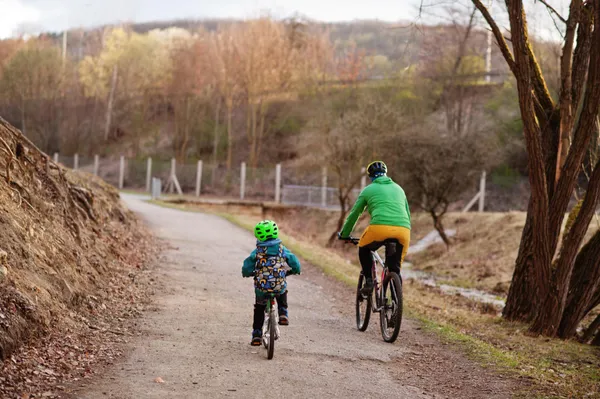
Young children lack the judgment to ride safely alongside traffic. Until the age 10, kids should always ride on sidewalks or on bike paths. When they do ride on roads, position yourself between them and traffic whenever possible. Teach them the "one bike length" rule: kids should stay at least one bike length behind you so you can monitor traffic ahead and signal any hazards or stops.
Practice Until It's Instinctive
Cycling safety isn't about memorizing rules; it’s about building the right reflexes. Practice emergency braking, looking over your shoulder while maintaining a straight line and hand signals until they're automatic.
The goal is creating confident cyclists who can handle unexpected situations calmly and quickly. It takes time, but the freedom and joy cycling brings your family makes every moment of practice worthwhile.