
A truly memorable garden is never still. Leaves sway, shadows shift, and somewhere in the background, wings shimmer past a row of flowers. While color and structure often take center stage in garden design, the element that transforms a beautiful space into a meaningful one is life. The movement of birds—their songs, their flashes of color, their seasonal rhythms—adds an emotional depth no sculpture or pergola can replicate.
Welcoming birds into your garden doesn’t require a dramatic redesign. Instead, it invites a gentle shift in thinking: to approach your outdoor space not only as a display of plants, but as a living environment where design and wildlife coexist. A bird-friendly garden is vibrant, balanced, and ever-changing, offering something new to admire every time you step outside.
Here’s how thoughtful design choices can bring life to your garden and turn your space into a dynamic landscape full of movement, harmony, and natural beauty.
Start With Structure: Layered Planting That Mimics Nature
In traditional garden planning, structure comes from hedges, pathways, trellises, or trees. In bird-friendly design, structure also includes habitat—the “architecture” of nature that invites wildlife to stay, not just pass through.
The most effective gardens for birds use layered planting, a technique inspired by woodland edges, meadows, and natural ecosystems. Each layer has a purpose:
1. Canopy Layer
Tall trees and large shrubs provide shelter, nesting sites, and vantage points. Oaks, maples, serviceberries, and even ornamental pears can serve as anchors.
2. Midstory Layer
Medium shrubs like viburnum, holly, and ninebark offer cover and berries birds depend on.
3. Flowering Layer
Perennials such as coneflowers, black-eyed Susans, salvia, and monarda provide nectar, seeds, and insect habitat.
4. Ground Layer
Leaf litter, low plants, and mulched areas support insects and offer foraging spots for ground-feeding birds like sparrows and towhees.
When these layers work together, birds feel safe enough to settle, feed, and return regularly—transforming the garden from decorative to alive.
Invite Movement With Thoughtful Use of Bird Feeders
Plants create habitat, but feeders create consistency. They provide reliable food sources that keep birds coming back, especially in transitional seasons when natural food is scarce.
The key is to treat feeders not as accessories, but as intentional design elements.
Use Feeders as Visual Anchors
A feeder positioned near a seating area or framed by windows becomes a focal point—not only for birds but for people. It turns everyday living into an experience.
Choose Designs That Complement Your Garden Style
From rustic wooden structures to sleek metal cylinders, feeders come in styles that suit cottage gardens, modern patios, woodland edges, and everything in between.
High-quality options like kingsyard bird feeders blend durability with visual appeal, offering clean lines and weather-resistant finishes that look cohesive in a variety of outdoor spaces.

Add a Touch of Magic With Hummingbird Feeders
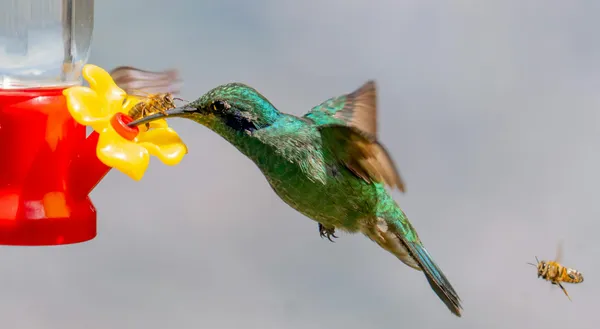
Few moments compare to the sight of a hummingbird hovering over a bloom, wings a blur of iridescent light. Adding well-placed kingsyard bird feeders for hummingbirds along with nectar-rich flowers (such as salvia, zinnias, and penstemon) instantly elevates the atmosphere of your garden.
Hummingbirds bring movement unlike any other bird—fast, delicate, and mesmerizing—and their presence adds a sense of elegance and wonder.
Let Water Bring Sound, Reflection, and Life
Water is a powerful design element that appeals equally to humans and birds. The presence of water softens the rigid lines found in many landscapes, while its sound and movement draw wildlife from a distance.
Even small water features make a difference:
- A shallow birdbath
- A bubbling fountain
- A ceramic basin with a drip attachment
- A small pond with stones for perching
Birds will visit water stations daily for drinking and bathing, often more frequently than feeders. Place water features where you can see them easily; they create moments of calm while offering birds a vital resource.
Use Color and Texture to Support Bird Activity
Bird-friendly garden design goes far beyond the functional. It’s also an opportunity to introduce thoughtful combinations of:
- Seasonal color
- Seed-producing flowers
- Nectar-heavy blooms
- Plants with movement, such as ornamental grasses
- Branches and stems with winter interest
Birds respond strongly to a landscape that feels familiar, layered, and alive. Coneflower seed heads provide food long after blooming, while grasses provide shelter and motion even in cold months.
Texture creates habitat—and habitat creates life.
Think Like a Designer, Place Like a Naturalist
A beautifully designed bird garden balances aesthetics with the instincts of wildlife. Strategic placement plays a significant role.
Place feeders near, but not inside, natural cover
Birds need quick escape routes, but feeders shouldn’t be hidden in dense shrubs where predators can ambush.
Use sightlines intentionally
Position feeders and water features where they can be enjoyed from indoors—kitchen windows, patios, or living rooms.
Create quiet zones
Birds thrive when they have calm areas free from foot traffic, loud play, or constant motion.
Avoid clutter
A clean, organized feeding area is not only visually appealing but safer for birds.
Support Seasonal Rhythms With Year-Round Choices
A garden that supports life in spring shouldn’t fall silent in winter. To create a landscape that stays lively all year, consider what birds need through each season:
- Spring: Nectar plants, nesting material, fresh water
- Summer: Shade, steady water supply, packet seeds, insects
- Autumn: Seed heads, berry shrubs, autumn blooms
- Winter: Suet, sheltering evergreens, unfrozen water
Your garden becomes part of the natural rhythm—an anchor in the changing seasons.
A Living Garden Is a Meaningful Garden
Ultimately, a garden is more than a composition of plants and pathways. It’s a space shaped by the light, the textures, and the creatures that inhabit it. When birds are part of your design, the landscape becomes a story—one filled with movement, color, and ongoing discovery.
By layering plants, choosing feeders thoughtfully, and creating a welcoming environment through water, texture, and seasonal planning, you transform your garden into a living landscape. One that grows, sings, and surprises you day after day.
And in the end, that’s the true beauty of outdoor spaces—not just how they look, but how alive they feel.