Are Squishy Toys Good for Kids? Benefits, Sensory Play & Safety
Are squishy toys good for kids? Here’s what parents should know about sensory benefits, calming play, fine motor skills, and safety.
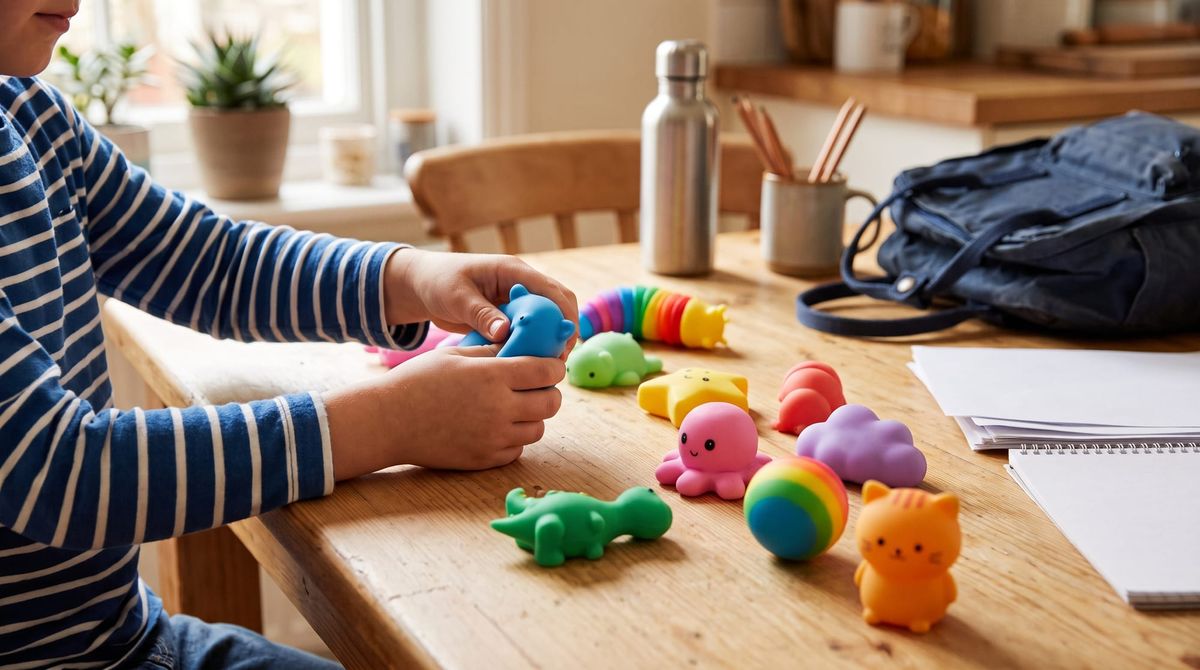
Squishy toys seem to be everywhere right now.
Some are shaped like fruit or food. Others are brightly colored blobs, animals, characters or stress-ball-style toys. Then there are the collectible versions that kids somehow know everything about, including which ones are hard to find and which ones apparently aren't cool anymore.
As a parent, though, I had a different question:
Are squishy toys actually good for kids, or are they mostly just another toy trend?
There may be a little bit of both going on.
Kids obviously like squishies because they're fun to squeeze, stretch and collect. But the basic action behind them isn't really new. Stress balls, putty, sensory toys and other objects kids can manipulate with their hands have been around for years.
I recently had a chance to ask Jen Wirt, CEO and founder of Coral Care, several questions about why kids are drawn to squishy toys and whether there may be sensory or developmental benefits behind all that squeezing.
Quick Answer: Are Squishy Toys Good for Kids?
For many children, squishy toys can be a perfectly good form of sensory and hands-on play.
They give kids different textures and levels of resistance to explore, something to manipulate with their fingers, and an easy way to keep their hands occupied. Some children may also find repetitive squeezing calming or helpful when they're concentrating.
That doesn't mean every child needs a squishy toy.
It also doesn't mean a $20 collectible squishy is somehow better for development than an inexpensive stress ball.
Sometimes a toy is just fun to play with — and that's okay too.
| Why Kids May Like Squishy Toys | What That Can Mean |
|---|---|
| Different textures | Provides tactile sensory input |
| Squeezing and pinching | Uses the hands and fingers |
| Repetitive movement | Some kids may find it calming |
| Fidgeting | Gives busy hands something to do |
| Collecting | Adds a social and play element |
Why Do Kids Like Squishy Toys So Much?
There is something oddly satisfying about squishing something in your hand and watching it slowly return to its original shape.
Wirt explained that part of the appeal comes from the sensory feedback kids get when they squeeze the toy. There's also a simple cause-and-effect element: squeeze it, watch it change shape, let go and watch it come back.
But with today's squishy craze, there's another factor that probably sounds familiar to parents.
Kids are collecting them.
Wirt has two daughters who trade squishies with friends and keep track of what everybody has. She compared some of today's excitement around squishies to the Beanie Baby craze many of us remember.
That comparison made sense to me.
There's the toy itself, but then there's also the fun of finding a particular one, trading with friends and building a collection.
Kids have been doing that forever. The collectible just changes every generation.
Are Squishy Toys Sensory Toys?
Many squishy toys can certainly function as sensory toys.
Kids get tactile input from the texture of the toy, while squeezing or kneading something with resistance gives their hands another type of physical feedback.
And not every squishy feels the same.
Some barely take any effort to squeeze. Others are much firmer. Some have smooth surfaces, while others have bumps, strands or textures that kids like to run through their fingers.
Wirt says her own children prefer different sensations depending on what they're playing with.
That doesn't mean a child who loves squishies automatically has a sensory need.
Some kids simply like how they feel.
But for a child who likes to have something in their hands while reading, doing homework, riding in the car or sitting still for a while, a squishy can be an easy and portable option.
Can Squishy Toys Help Kids Calm Down?
This is probably where sensory and fidget toys become most interesting for parents.
Some kids seem to relax when their hands have something repetitive to do.
They squeeze a stress ball. Twist a fidget. Play with putty. Tap a pencil. Doodle while they're listening.
A squishy isn't all that different.
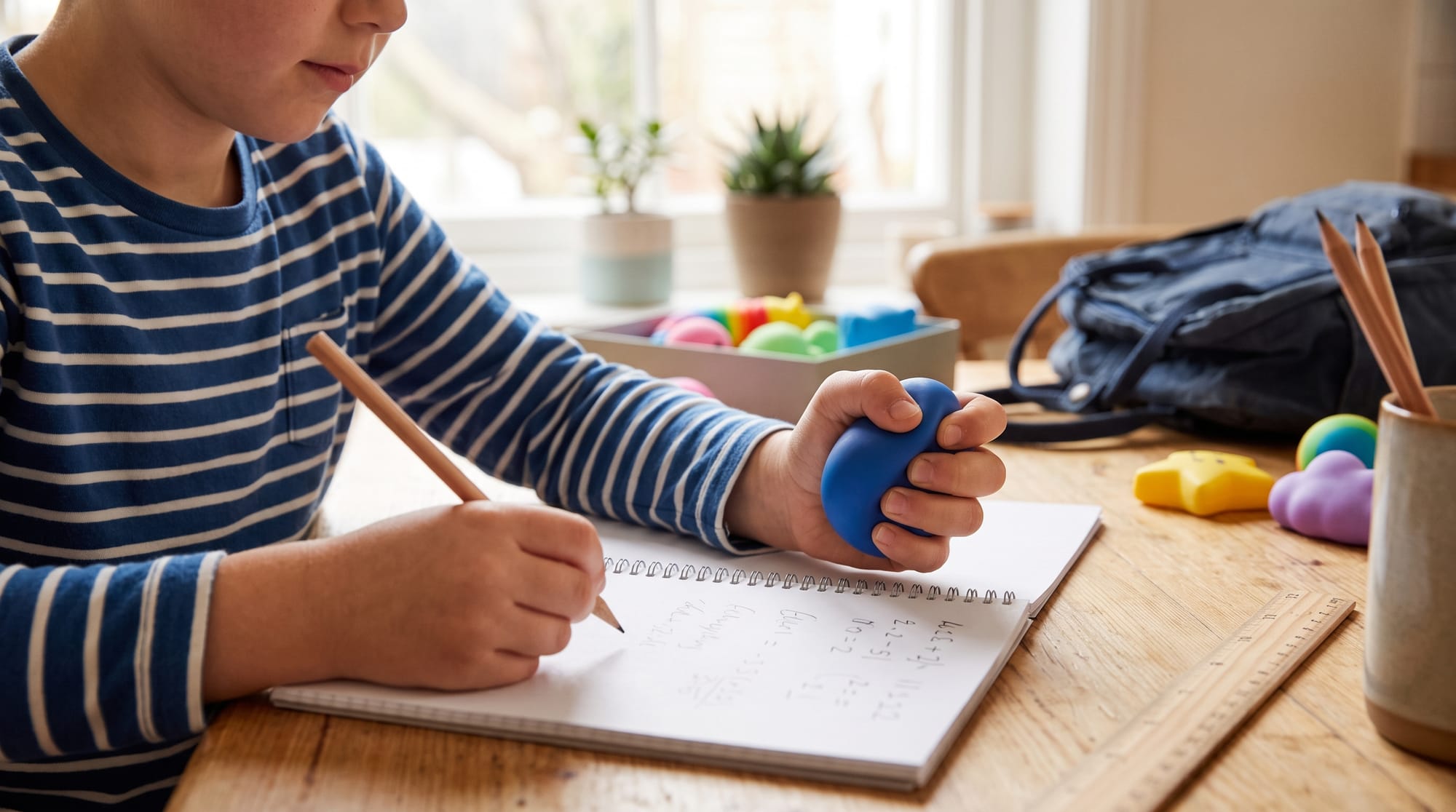
Wirt told me that after a difficult day, her daughters will sometimes pull out their squishy collection, organize them and quietly play. One of her daughters also likes keeping one nearby while doing homework.
That doesn't mean a squishy toy treats anxiety, stress or an emotional disorder.
I think that's an important distinction.
But if having something in their hands helps a child settle down, stay occupied or focus on homework, a squishy may be a useful little tool.
And sometimes that's all it needs to be.
Can Squishy Toys Help With Fine Motor Skills?
There's actually quite a bit happening in a child's hands when they're playing with one of these toys.
Depending on the squishy, kids may:
- Squeeze with their entire hand
- Pinch with individual fingers
- Pull or stretch the toy
- Knead it with both hands
- Pick up and sort smaller toys
- Manipulate different textures
Wirt points out that squeezing uses the hands and grip, while pinching involves the smaller muscles in the fingers. Playing with an object using both hands can also involve coordination between the two sides of the body.
Those basic movements show up in plenty of everyday childhood skills, including using scissors, writing, opening containers, pulling zippers and fastening buttons.
I wouldn't go out and buy a pile of squishies because you're worried about your child's handwriting.
Kids strengthen their hands through all kinds of everyday activities and play.
But if they already enjoy squishies, there's certainly nothing wrong with getting a little hand exercise while they're having fun.
What Ages Are Squishy Toys Good For?
This is one area where the individual toy matters more than the word "squishy."
Elementary-age kids seem to be right in the middle of the current craze. At that age, you get both sides of it: the sensory experience of playing with the toy and the social aspect of collecting or trading them.
Tweens and teenagers may use them more like stress balls or fidget toys.
Younger children require a little more thought.
Some squishy toys contain gels, liquids, beads or small components. If one tears open, those materials could become accessible to a young child.
That's why I'd pay attention to the manufacturer's age recommendation rather than assuming every squishy is appropriate for every age.
Supervision also matters with younger children, particularly kids who still put toys or other objects in their mouths.
A Squishy Toy Doesn't Have to Be Expensive
This was probably my favorite takeaway from my conversation with Wirt.
One of her daughters recently wanted a squishy that cost $17.99.
For a squishy.
I'm pretty sure every parent has experienced some version of that conversation.
Her point was simple: paying more doesn't automatically make the toy more beneficial.
A basic stress ball still gives a child something to squeeze.
What you're often paying extra for is the character, design, brand, rarity or collectible aspect of the toy.
And that isn't necessarily a bad thing.
If a child wants to use birthday money or allowance to buy one particular squishy, that can become its own little lesson about money.
Is this toy really worth $18 to you?
Sometimes letting them make that decision teaches more than simply saying no.
Are Squishy Toys Safe for Kids?
This is the part I think parents should pay the most attention to.
The squeezing itself generally isn't the issue.
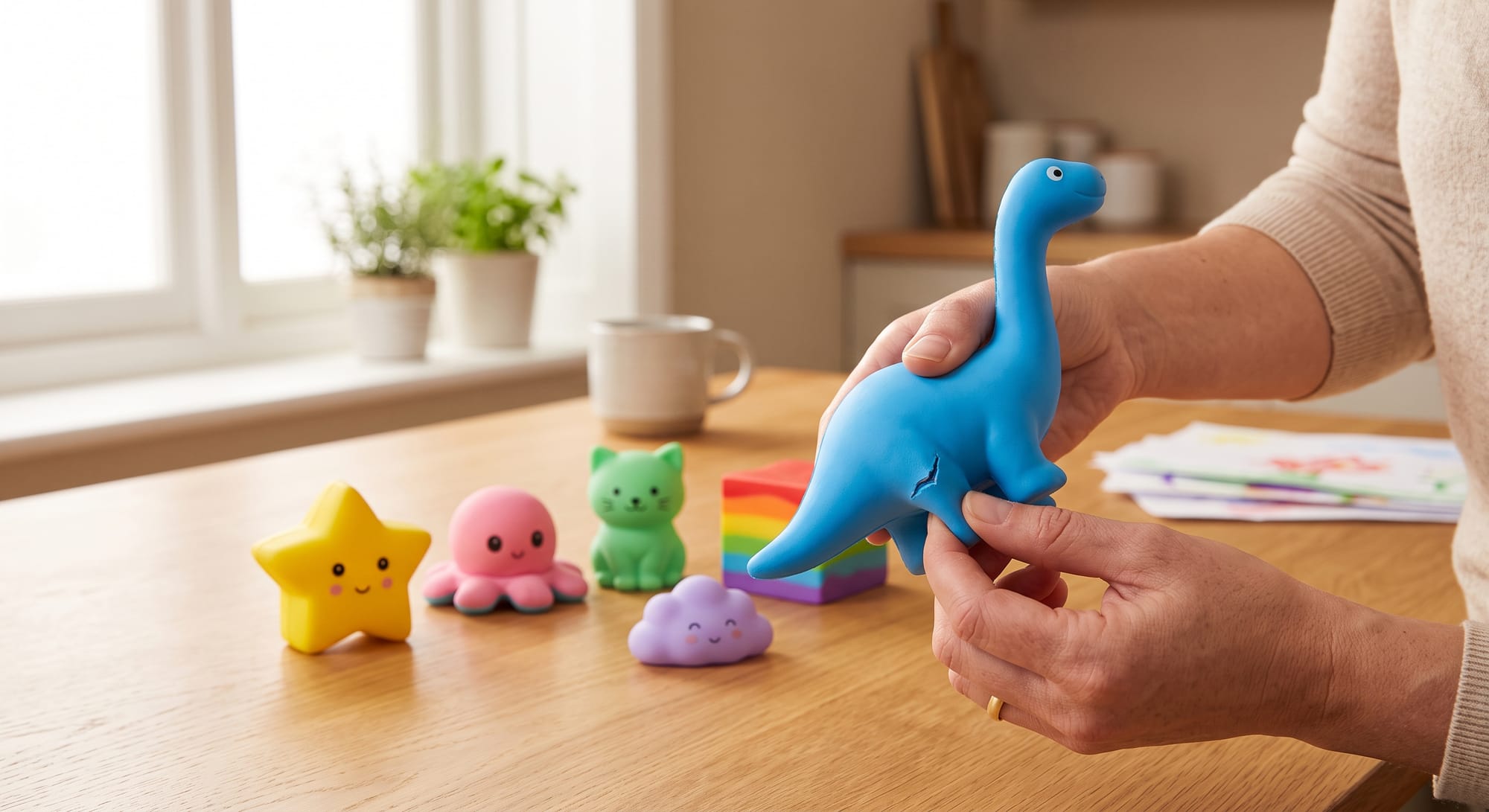
The bigger concern is what happens when a squishy becomes damaged, starts leaking or gets into the hands of a younger child who decides the strawberry-shaped toy looks good enough to taste.
Some squishies contain gels, liquids, beads or other fillings that aren't meant to be eaten.
Wirt recommends regularly checking the toys and getting rid of them when they begin to tear or leak.
That seems like a pretty simple rule to follow:
If the squishy starts coming apart, the squishy is done.
Watch for Tears, Leaks and Damage
Every once in a while, look through the squishy pile.
Get rid of toys that are:
- Torn
- Punctured
- Leaking
- Sticky or deteriorating
- Missing pieces
- Damaged enough that the filling is exposed
If one breaks open while a child is playing with it, take it away, dispose of it and have them wash their hands.
Don't Heat or Microwave Squishy Toys
Kids see a lot of strange things online, and sometimes those things turn into challenges or trends.
Squishy toys shouldn't be microwaved, boiled or heated unless a manufacturer specifically designed the product to be used that way and gives instructions for doing it.
That's probably worth mentioning to older kids and tweens even if you assume they already know better.
We've all been parents long enough to know how dangerous that assumption can be.
Be Careful With Knockoffs
Popular toys attract counterfeit versions pretty quickly.
When buying a squishy, look for basic information you'd expect from a legitimate children's product:
- Manufacturer information
- Recommended age
- Safety warnings
- Appropriate packaging
- A retailer or seller you recognize
Wirt also recommends avoiding toys with a strong chemical smell and choosing a texture or resistance that actually works for the child.
In other words, don't buy something just because it's the one everybody on social media is hunting for.
What Should Parents Look for in a Squishy Toy?
I'd keep the checklist fairly simple.
Look for a toy that is:
- Appropriate for your child's age
- Large enough that it isn't an obvious choking risk
- Made by an identifiable manufacturer
- Free from visible damage
- Comfortable for your child to squeeze
- Quiet enough if they plan to use it at school
- Durable enough for the way your child plays
And if your child doesn't care about the brand, there's no reason to assume the expensive option is better.
When Should Parents Ask About Sensory-Seeking Behavior?
Enjoying sensory toys doesn't mean there's something wrong with a child.
Kids touch things.
They squeeze things.
They spin things.
They sort things.
They repeat things over and over because apparently doing something 147 times is substantially more entertaining than doing it once.
That's childhood.
But if sensory-seeking or sensory-avoidant behaviors begin interfering with school, sleep, eating, getting dressed or other everyday activities, it may be worth asking a professional about it.
Wirt suggested speaking with a pediatric occupational therapist when sensory behaviors become significant enough to affect daily life.
Parents can also start with their child's pediatrician if they aren't sure whether what they're seeing is something that needs further evaluation.
So, Are Squishy Toys Worth It?
I don't think we need to make squishy toys more complicated than they are.
They can provide sensory input.
They give kids something to squeeze and manipulate.
They get the hands and fingers moving.
Some kids find them calming.
And a lot of kids just think they're fun.
All of those things can be true at the same time.
The biggest things I'd pay attention to as a parent are the child's age, what's inside the toy, whether it's starting to fall apart and whether you're paying $18 because the toy is somehow better or because your kid desperately needs the limited-edition croissant all their friends have.
Probably the croissant.
And sometimes that's okay too.
Frequently Asked Questions About Squishy Toys
Are squishy toys sensory toys?
Many squishy toys can be used as sensory toys because squeezing and manipulating them provides tactile input through texture, pressure and resistance. Some children simply enjoy the sensation, while others like having something to do with their hands.
Can squishy toys help kids calm down?
Some children find repetitive squeezing or fidgeting calming. A squishy can give a child something predictable to do with their hands, but it shouldn't be considered a treatment for anxiety or another medical or developmental condition.
Can squishy toys help with fine motor skills?
Playing with squishies can involve squeezing, pinching, pulling and kneading, all of which use muscles in the hands and fingers. Squishy toys are one of many types of play that can get children's hands moving.
Are squishy toys safe for toddlers?
That depends on the toy. Always follow the manufacturer's age recommendation. Small pieces, beads, gels and other fillings may present risks if the toy becomes damaged, so younger children should be appropriately supervised.
What should I do if a squishy toy starts leaking?
Stop using it and dispose of the damaged toy. Keep children from touching or ingesting the filling and have them wash their hands after contact with leaking material.
Do expensive squishy toys have more benefits?
There's no reason to assume a more expensive collectible provides greater sensory or developmental benefits simply because it costs more. A large part of the price difference may come from the brand, design or collectibility rather than what happens when a child squeezes it.