
Advancements in Anti-Aging and Aesthetic Treatments

Biological Drivers of Facial Aging and Tissue Descent
The quest to maintain a youthful appearance is as old as time, but the landscape of anti-aging and aesthetic treatments has transformed dramatically. We now live in an era where scientific advancements offer an incredible array of sophisticated options to help us age gracefully and maintain a vibrant look. This rapid innovation reflects a significant global demand, with millions of procedures performed annually as of 2023.
Understanding these advancements is key to making informed decisions for your personal aesthetic journey. Our comprehensive guide will demystify the science behind aging and explore the most effective treatments available today.
We will delve into the biological drivers of facial aging, differentiating between surgical and non-surgical interventions. From the latest injectables and energy-based devices to cutting-edge regenerative biologics, we aim to cover it all. Our goal is to equip you with the essential knowledge needed to navigate this evolving field and discover personalized solutions for anti-aging and longevity.
Understanding the root causes of facial aging is crucial for selecting the most effective treatments. Aging is a complex process driven by both intrinsic (genetic and biological) and extrinsic (environmental) factors. While we cannot stop time, we can certainly mitigate its visible effects by addressing these underlying mechanisms.
Intrinsic aging is a natural, chronological process characterized by a gradual decline in cellular function and tissue repair. This leads to changes like dermal thinning, reduced elasticity, and bone resorption. As we age, our bones, particularly in the midface and around the eyes, begin to recede, which contributes to a loss of structural support and a more sunken appearance.
Extrinsic aging, on the other hand, is primarily influenced by external factors, with photoaging (damage from UV radiation) being the most significant contributor. Sun exposure accelerates the breakdown of collagen and elastin, leading to premature wrinkles, pigmentation changes, and a rough skin texture. Other extrinsic factors include pollution, smoking, poor nutrition, and repetitive facial expressions.
The visible signs of aging—such as fine lines, wrinkles, sagging skin, and volume loss—are a direct result of these combined intrinsic and extrinsic processes. For instance, the loss of firmness and elasticity, often seen as droopy cheeks and jowls, is a hallmark of an aging face. Pigment changes, like sunspots, also become more prominent.

To effectively address these signs, it's helpful to consider the broad categories of treatments available.
| Feature | Surgical Aesthetic Modalities | Non-Surgical Aesthetic Modalities |
|---|---|---|
| Invasiveness | Highly invasive (incisions, general anesthesia) | Minimally invasive to non-invasive (injections, topical, energy) |
| Downtime | Significant (weeks to months) | Minimal to moderate (hours to days) |
| Longevity | Long-lasting (5-15+ years), but aging continues | Temporary (months to 2+ years), requires maintenance |
| Cost | Higher upfront cost | Lower per-session cost, but cumulative over time |
| Effect | Dramatic structural changes, skin excision | Volume restoration, wrinkle reduction, skin quality improvement |
| Risks | Higher (infection, scarring, anesthesia complications) | Lower (bruising, swelling, rare vascular complications) |
| Examples | Facelift, blepharoplasty, neck lift | Injectables (Botox, fillers), lasers, RF, HIFU, microneedling |
| Ideal for | Significant sagging, excess skin, deep structural changes | Fine lines, volume loss, skin texture, early to moderate aging |
Cellular Changes in Collagen and Elastin
At a cellular level, collagen and elastin are the fundamental proteins responsible for skin's structure, firmness, and elasticity. Collagen, the most abundant protein in the skin, provides structural support, while elastin gives the skin its ability to stretch and snap back into place.
Unfortunately, collagen production begins to decline by about 1% each year after the age of 25. This gradual reduction in fibroblast activity—the cells responsible for producing collagen and elastin—leads to a progressive weakening of the extracellular matrix. The extracellular matrix is the scaffold that supports skin cells, and its degradation results in structural laxity, fine lines, and wrinkles.
Simultaneously, the natural reserves of hyaluronic acid, a molecule crucial for skin hydration and plumpness, also diminish. This loss contributes to dehydration and a duller, less supple skin texture. The combined effect of declining collagen, elastin, and hyaluronic acid is a visible loss of skin integrity and resilience.
Subcutaneous Fat Redistribution and Deep Volume Loss
Beyond the skin's surface, changes in subcutaneous fat play a significant role in facial aging. The youthful face is characterized by well-distributed fat pads that provide plumpness and smooth contours. With age, these fat compartments undergo a dual process: some superficial fat pads diminish, while others shift and descend due to gravity and weakening connective tissues.
This phenomenon leads to a loss of volume in critical areas like the midface, resulting in flattened cheeks and more prominent nasolabial folds (smile lines). Concurrently, the downward migration of fat and skin contributes to the formation of jowls along the jawline and a less defined facial contour. This "facial deflation" and gravitational descent create shadows and an overall tired or aged appearance. Addressing these changes often requires restoring lost volume, which non-surgical treatments are particularly adept at achieving.
Core Non-Surgical Anti-Aging and Aesthetic Treatments
Non-surgical anti-aging and aesthetic treatments have revolutionized how we approach facial rejuvenation, offering effective solutions with minimal downtime compared to traditional surgery. These procedures focus on restoring volume, smoothing wrinkles, and improving skin quality, all while maintaining a natural aesthetic balance.
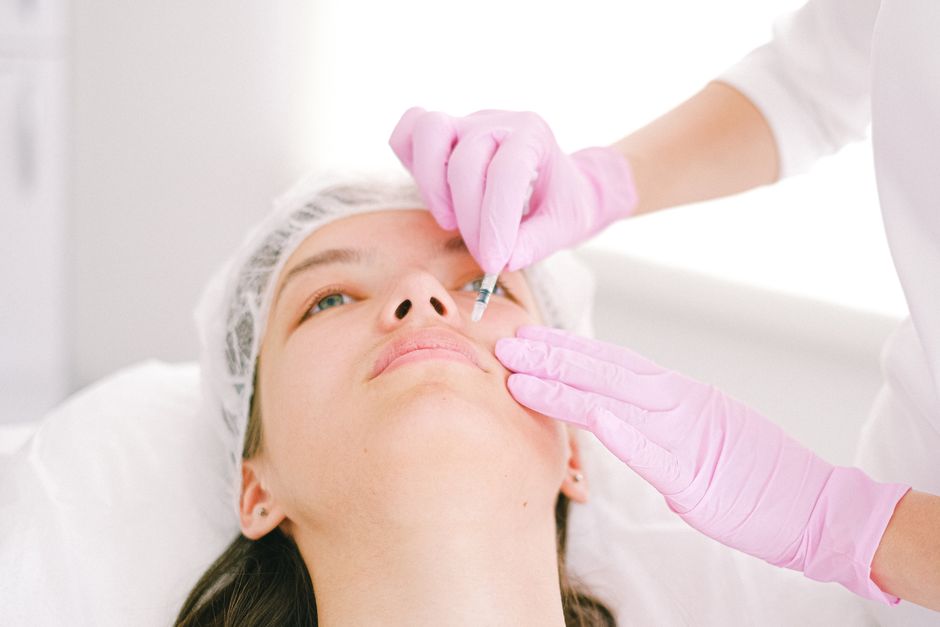
The success of these treatments hinges on precise application and a deep understanding of facial anatomy and safety protocols. We emphasize the importance of choosing a skilled and experienced practitioner to ensure optimal, natural-looking results and minimize potential risks.
Neuromodulators and Dynamic Wrinkle Reduction
Neuromodulators, such as Botulinum Toxin Type A (commonly known as Botox, Dysport, Xeomin, and Jeuveau), are the gold standard for treating dynamic wrinkles—those caused by repetitive muscle movements. These treatments work by temporarily blocking nerve signals to specific muscles, preventing them from contracting and, in turn, smoothing out the overlying skin.
The mechanism involves inhibiting the release of acetylcholine, a neurotransmitter, at the neuromuscular junction. This targeted action effectively reduces the appearance of glabellar lines (frown lines between the eyebrows), lateral canthal lines (crow's feet around the eyes), and forehead creases. In some cases, neuromodulators can also be used to subtly lift the brows or relax platysma bands in the neck.
The effects of neuromodulators typically become visible within a few days to a week, with peak results around two weeks. The duration of effect generally lasts between three to four months, after which muscle activity gradually returns, and repeat treatments are needed to maintain the desired outcome. For instance, most patients schedule touch-ups every 3-5 months.
Research into longer-lasting neuromodulators continues, but investigational treatments should not be confused with products approved for routine use. Ask your clinician which product is being used, whether it is approved for the intended purpose, and what evidence supports its expected duration. Results and maintenance schedules vary by individual.
Hyaluronic Acid Matrix Restorers
Hyaluronic acid (HA) fillers are among the most popular and versatile non-surgical treatments for restoring lost volume and smoothing static wrinkles. HA is a naturally occurring substance in the skin that attracts and holds water, providing hydration and plumpness. When injected, HA fillers replenish volume, soften lines, and enhance facial contours.
The rheological properties (flow and elasticity) of HA fillers vary, allowing practitioners to select the appropriate product for different facial regions and concerns. Thicker gels are used for deep volume restoration in areas like the cheeks and temples, while softer gels are ideal for fine lines, lips, and tear troughs. Common applications include filling nasolabial folds, marionette lines, and enhancing lip volume.
HA fillers also improve skin hydration and radiance, although they do not significantly change skin elasticity or pigmentation. The results are immediate and can last anywhere from 6 to 18 months, depending on the product, injection site, and individual metabolism.
Safety is paramount with HA fillers. While generally safe, potential risks include bruising, swelling, and, rarely, vascular occlusion—a serious complication where filler blocks a blood vessel. Prompt management of such complications with hyaluronidase (an enzyme that dissolves HA) is a critical safety protocol. We emphasize the importance of choosing a qualified and experienced injector who follows a consensus framework for HA filler selection and injection techniques to ensure both efficacy and safety.
Biostimulatory Injectables and Structural Regeneration
Biostimulatory injectables represent a distinct class of treatments that go beyond simple volume replacement. Instead of just filling, these products stimulate the body's own collagen production, leading to gradual and natural-looking rejuvenation. They are designed to improve skin quality, thickness, and elasticity over time.
Key biostimulatory agents include Poly-L-lactic Acid (PLLA, e.g., Sculptra) and Calcium Hydroxyapatite (CaHA, e.g., Radiesse).
- Poly-L-lactic Acid (PLLA): PLLA microparticles, when injected, trigger a controlled inflammatory response. This process recruits macrophages, which then release cytokines that stimulate fibroblasts to produce new collagen (neocollagenesis). This leads to a gradual increase in dermal thickness and improved skin texture. Studies show collagen type I synthesis can increase by up to 24%, and dermal and adipose thickness can increase by 26-27% over nine months. Results develop over several months and can last up to two years or more, making PLLA an excellent choice for long-term structural regeneration. It's often used for overall facial volume loss, improving skin laxity, and even for body contouring.
- Calcium Hydroxyapatite (CaHA): CaHA microspheres also act as a scaffold, stimulating fibroblasts to produce new collagen and elastin. It offers immediate volumization due to its gel carrier, followed by sustained collagen stimulation as the gel dissipates and the microspheres remain. CaHA is often used for deeper lines, volume restoration in cheeks, and jawline contouring. Its effects can last for about 12-18 months.
The main difference from traditional HA fillers is their mechanism: biostimulators focus on activating the body's natural healing and regenerative processes, leading to more profound and durable improvements in skin quality rather than just temporary filling. The combination of HA fillers with biostimulatory agents can yield both immediate volumization and long-term collagen stimulation, offering a comprehensive approach to facial rejuvenation.
Energy Devices and Cellular Biologics
Beyond injectables, advanced energy-based devices and cellular biologics offer powerful tools for skin tightening, rejuvenation, and regeneration. These technologies harness various forms of energy or the body's own healing capabilities to stimulate collagen, remodel tissue, and improve overall skin health.
These treatments work by inducing controlled thermal coagulation or micro-injuries, prompting the body's natural wound-healing response. This process leads to new collagen formation, tissue tightening, and improved epidermal integrity.
Comparing Energy Technologies in Anti-Aging and Aesthetic Treatments
Energy-based devices are highly effective for addressing skin laxity, texture irregularities, and fine lines. Each technology has a unique mechanism of action and is suited for different concerns:
- High-Intensity Focused Ultrasound (HIFU): Devices like Ultherapy and Sofwave use focused ultrasound energy to create thermal coagulation points at precise depths, including the superficial musculoaponeurotic system (SMAS) layer—the same layer surgeons target in a facelift. This deep heating triggers a wound-healing response, leading to collagen contraction and neocollagenesis, resulting in significant skin tightening and lifting. HIFU offers deep SMAS-layer stimulation with minimal downtime. Sofwave, for instance, uses parallel ultrasound beams with built-in cooling for deeper coverage and comfort, and is FDA-approved for eyebrow and neck lifting. While promising for eyelid and lip rejuvenation, more extensive dermatologic data is still being gathered for some applications.
- Radiofrequency (RF): RF devices deliver electrical energy that heats the deeper layers of the skin, stimulating collagen production and tightening existing collagen fibers. RF can be delivered non-invasively (e.g., Thermage) or invasively via microneedling (e.g., Morpheus8).
- Radiofrequency Microneedling (RFM): This combines traditional microneedling with RF energy. Tiny needles create micro-channels in the skin, while simultaneously delivering RF energy to the deeper dermis. This dual action significantly enhances collagen stimulation, improves skin texture, reduces fine lines, and can even target fat in some settings. Morpheus8, for example, can be applied to a wide range of body areas, not just the face, making it versatile for skin tightening and contouring.
- Fractional Lasers: Lasers use light energy to create controlled micro-injuries in the skin.
- Non-ablative fractional lasers (e.g., Fraxel Restore) stimulate collagen production without damaging the skin's surface, leading to milder results but minimal downtime.
- Ablative fractional lasers (e.g., Fraxel Re:pair) remove tiny columns of tissue, triggering a more aggressive healing response and significant skin resurfacing, but with more downtime. Lasers are excellent for improving skin texture, tone, pigmentation, and fine lines.
The choice of energy device depends on the patient's concerns, skin type, and desired downtime. Often, a combination of these technologies is employed for comprehensive rejuvenation.
Safety and regulatory context: The FDA has issued a safety communication about certain uses of RF microneedling. Discuss device-specific risks with a licensed clinician, including possible serious complications. The FDA has also not cleared microneedling devices for use with other products; combining a device with a biologic does not establish that the combination is safe or effective.
Autologous Biologics and Exosome Signaling
Autologous biologics utilize the patient's own biological material to stimulate regeneration, while exosome therapies leverage advanced cellular signaling. These treatments are at the forefront of regenerative aesthetics:
- Platelet-Rich Fibrin (PRF): Similar to Platelet-Rich Plasma (PRP), PRF is derived from the patient's blood. However, PRF is processed differently to create a fibrin matrix that traps platelets, leukocytes, and mesenchymal stem cells, releasing growth factors more slowly and over a longer period. This sustained release promotes enhanced collagen production, tissue repair, and skin regeneration. PRF is often used for under-eye rejuvenation, fine lines, and improving skin texture, sometimes in conjunction with microneedling.
- Polynucleotide Boosters (e.g., Rejuran Healer): These innovative treatments, often derived from salmon DNA, act as powerful dermal signals. Polynucleotides stimulate fibroblasts to produce new type-I collagen, remodel capillaries, and improve skin elasticity, hydration, and texture. They are typically injected intradermally in a grid pattern over several sessions, leading to gradual and natural skin quality improvement. The KFDA-cleared Rejuran Healer, for instance, has gained popularity for its ability to reduce pore size and improve overall skin health.
- Mesenchymal Exosomes: Exosomes are tiny vesicles released by cells, carrying proteins, lipids, and genetic material that act as messengers between cells. Adipose Mesenchymal Stem Cell-Derived Exosomes (ASC-Exosomes) are emerging as a powerful regenerative treatment. They deliver growth factors and signaling molecules that promote collagen synthesis, reduce inflammation, and enhance skin repair. A recent investigator-blinded, split-face trial found topical ASC exosomes to be non-inferior to PRP for improving photoaged skin, with comparable improvements in wrinkling, erythema, and texture. A key advantage of exosome treatment is that it eliminates the need for phlebotomy, reducing patient discomfort and office time, and may offer a more standardized composition of growth factors compared to autologous PRP.
These biologics are often combined with microneedling or other treatments to enhance their penetration and efficacy, offering synergistic benefits for collagen stimulation and overall skin regeneration.
Experimental treatments: The FDA states that there are no FDA-approved exosome products and has reported serious adverse events involving unapproved products. Early research is not proof of routine clinical safety or effectiveness. Clearance in another country does not establish U.S. approval. Discuss regulatory status, evidence, alternatives, and risks with a qualified clinician before considering these approaches.
Integrating Non-Invasive Procedures with Awake Body-Contouring
While facial rejuvenation often takes center stage, a holistic approach to anti-aging and aesthetics increasingly includes body contouring. Integrating non-invasive facial treatments with advanced body procedures allows for comprehensive structural definition and overall aesthetic harmony.
For individuals seeking to address localized fat deposits or refine body contours without the extensive downtime of traditional surgery, advancements in awake body-contouring procedures offer compelling solutions. These techniques, such as specific forms of liposuction performed under local anesthesia, can precisely remove unwanted fat from areas like the abdomen, flanks, or submental region (under the chin). This helps to sculpt and define the body, complementing the rejuvenated appearance of the face.
For example, a patient undergoing facial injectables and energy-based treatments for skin tightening might also opt for awake body-contouring to address stubborn fat pockets. This integrated approach ensures that the entire aesthetic presentation is cohesive, creating a more balanced and youthful silhouette. Deoxycholic acid injections, for instance, have shown significant improvement in submental contour, offering a minimally invasive option for targeting fat under the chin. By combining these modalities, we can achieve more comprehensive and satisfying results for our patients, addressing both facial and body aesthetic concerns.
Strategic Treatment Planning and Clinical Maintenance
Achieving optimal and lasting anti-aging results requires more than just individual treatments; it demands a strategic, multimodal approach tailored to each patient's unique needs. This involves careful patient assessment, thoughtful procedure sequencing, and a commitment to ongoing maintenance.
Formulating Personalized Anti-Aging and Aesthetic Treatments
A personalized anti-aging plan begins with a thorough consultation to assess intrinsic and extrinsic aging factors, skin type, lifestyle, and aesthetic goals. We often employ a "layered rejuvenation" strategy, combining different modalities to address various aspects of aging simultaneously.
For example, a patient with dynamic wrinkles, volume loss, and skin laxity might benefit from a combination of:
- Neuromodulators for dynamic wrinkles.
- Hyaluronic acid fillers for immediate volume restoration in the midface and lips.
- Biostimulatory injectables (like PLLA or CaHA) for gradual, long-term collagen stimulation and skin quality improvement.
- Energy-based devices (e.g., RF microneedling or HIFU) for skin tightening and texture refinement.
The sequencing of these procedures is critical. For instance, energy-based devices are often performed before polynucleotide boosters to avoid thermal damage to the newly placed product. Anatomical mapping ensures precise placement of injectables, while sequential intervals allow for proper healing and assessment of results before the next step.
Combination therapy often yields superior and more natural-looking results than single treatments alone. For example, the synergistic use of botulinum toxin with dermal fillers can improve patient satisfaction for both dynamic wrinkles and volume loss. However, evaluate patient-specific risk factors and ensure proper anatomical knowledge to minimize complications.
Lifestyle Integration and Sustained Results
While advanced aesthetic treatments can dramatically reverse the signs of aging, their longevity and effectiveness are significantly enhanced by consistent lifestyle habits and a robust skincare regimen. These daily practices are crucial for cellular maintenance and protecting the investment made in professional procedures.
Key lifestyle and skincare habits that help maintain and prolong the results of anti-aging treatments include:
- Photoprotection: Daily use of broad-spectrum sunscreen with an SPF of 30 or higher is non-negotiable. UV radiation is the primary driver of extrinsic aging, and consistent sun protection prevents further collagen breakdown and pigment changes.
- Topical Retinoids: Incorporating retinoids (e.g., retinol, tretinoin) into a nighttime skincare routine stimulates collagen production, improves cell turnover, and reduces fine lines and pigmentation.
- Antioxidant Defense: Using serums rich in antioxidants, such as Vitamin C and E, helps neutralize free radicals generated by environmental stressors, protecting skin cells from damage.
- Hydration: Maintaining adequate internal hydration by drinking plenty of water and using topical moisturizers supports skin barrier function and plumpness.
- Healthy Diet and Lifestyle: A balanced diet rich in fruits, vegetables, and lean proteins, coupled with regular exercise and sufficient sleep, contributes to overall skin health and cellular regeneration. Avoiding smoking and excessive alcohol consumption also plays a vital role.
These habits work synergistically with professional treatments, maximizing their benefits and contributing to overall well-being. For those interested in a deeper dive into the science of maintaining health and vitality, exploring resources focused on anti-aging and longevity can provide valuable insights into optimizing cellular function from within.
Daily Skincare Habits That Prolong Procedural Results:
- Morning Routine:Gentle cleanser
- Antioxidant serum (e.g., Vitamin C)
- Broad-spectrum SPF 30+ sunscreen
- Moisturizer (if needed)
- Evening Routine:Double cleanse (to remove makeup and impurities)
- Targeted serum (e.g., hyaluronic acid, niacinamide)
- Retinoid product (start slowly, 2-3 times a week, then increase frequency)
- Rich moisturizer
- Weekly/Bi-Weekly:Exfoliation (chemical or gentle physical)
- Hydrating mask
- Ongoing:Hydrate internally (drink plenty of water)
- Eat a balanced, nutrient-rich diet
- Get adequate sleep (7-9 hours)
- Avoid smoking and limit alcohol
- Protect from environmental pollutants
Frequently Asked Questions About Aesthetic Procedures
We understand that navigating anti-aging and aesthetic treatments can bring up many questions. Here, we address some of the most common inquiries to provide clarity and empower informed decision-making.
What is the primary functional difference between traditional fillers and biostimulators?
The core distinction lies in their mechanism of action and the nature of their results.
- Traditional Fillers (e.g., Hyaluronic Acid): These are primarily "volumizers." They work by physically adding volume to the injected area, immediately filling lines, folds, or hollows. The product itself provides the structural support. While some HA fillers may have a minor biostimulatory effect, their main role is immediate volumization. Their longevity is determined by how quickly the body metabolizes the filler material.
- Biostimulators (e.g., PLLA, CaHA, Polynucleotides): These are "regenerators." They work by stimulating the body's own cells (fibroblasts) to produce new collagen and elastin through a process called neocollagenesis. The product provides a temporary scaffold or a signaling mechanism, but the lasting aesthetic improvement comes from the patient's own newly generated tissue. Results are gradual, appearing over weeks to months, but they tend to be more natural-looking and can last longer due to the creation of new, endogenous tissue. They offer structural bio-scaffolding rather than just inert filling.
How long do non-surgical aesthetic results typically last?
The duration of results varies significantly depending on the treatment type, the product used, the treated area, individual metabolism, and lifestyle factors.
- Neuromodulators (e.g., Botox): Typically last 3-4 months. Some newer formulations or individual responses might extend this to 5-6 months.
- Hyaluronic Acid Fillers: Generally last 6-18 months. Thicker fillers in areas with less movement (e.g., cheeks) tend to last longer than softer fillers in dynamic areas (e.g., lips).
- Biostimulators (e.g., Sculptra, Radiesse): Results develop gradually and can persist for 18 months to over 2 years, as they rely on the body's collagen production. Maintenance treatments may be recommended periodically.
- Energy-Based Devices (e.g., HIFU, RF, Lasers): Initial results can be seen within weeks to months, with continued improvement over 3-6 months. Maintenance treatments are often recommended annually or bi-annually to sustain collagen stimulation and tightening effects.
- Autologous Biologics (e.g., PRF, Polynucleotides): A series of initial treatments is usually required, with results lasting 6-12 months after the initial cycle, followed by maintenance sessions.
Non-surgical treatments require ongoing maintenance to sustain results, as the natural aging process continues.
What are the key safety considerations and adverse risks for injectable procedures?
While non-surgical injectable procedures are generally safe when performed by qualified practitioners, potential side effects and complications can occur. Minimizing these risks relies heavily on practitioner expertise, adherence to sterile techniques, and patient education.
Common, temporary side effects include:
- Bruising: Occurs when a needle punctures a small blood vessel. Usually resolves within a few days to a week.
- Localized Edema (Swelling): A normal inflammatory response to injection, typically subsiding within 24-48 hours.
- Erythema (Redness): Also a normal, temporary response, resolving quickly.
- Pain/Tenderness: Mild discomfort at the injection site.
Less common but more serious risks include:
- Vascular Occlusion: This is the most serious complication with fillers, where filler material inadvertently enters or compresses a blood vessel, potentially leading to tissue necrosis (tissue death) or, rarely, visual loss. Prompt recognition and treatment with hyaluronidase (for HA fillers) are crucial. This risk underscores the importance of choosing a practitioner with advanced anatomical knowledge and emergency protocols.
- Nodules or Granulomas: Lumps that can form under the skin, sometimes requiring treatment.
- Infection: Rare, but possible with any break in the skin barrier. Strict aseptic technique is essential.
- Allergic Reactions: Very rare with HA fillers, but possible with other components.
- Spread of Toxin Effect (with neuromodulators): In very rare cases, botulinum toxin can spread beyond the injection site, leading to symptoms like dysphagia (difficulty swallowing) or respiratory issues. This risk is minimized by adhering to recommended dosages and injection sites.
To minimize these risks, always choose a board-certified dermatologist, plastic surgeon, or other highly trained medical professional with experience in aesthetic injectables. They should be able to discuss all potential side effects, provide clear aftercare instructions, and be equipped to manage any complications promptly and effectively.
Conclusion
The field of anti-aging and aesthetic treatments is a dynamic and rapidly evolving landscape, offering increasingly sophisticated and effective options for individuals seeking to maintain a youthful and vibrant appearance. From understanding the intricate biological drivers of facial aging to exploring the latest advancements in injectables, energy-based devices, and regenerative biologics, we have seen how evidence-based aesthetics is transforming patient care.
The journey towards rejuvenation is highly personal, and the most successful outcomes stem from a strategic, multimodal approach. By combining precise treatments like neuromodulators, hyaluronic acid fillers, and biostimulators with cutting-edge energy devices and cellular biologics, we can achieve comprehensive and natural-looking results. Furthermore, integrating these procedures with a commitment to consistent lifestyle habits and a robust skincare regimen ensures procedural longevity and sustained benefits.
As technology continues to advance, we anticipate even more refined regenerative protocols and innovative solutions. The focus remains steadfast on patient safety, personalized care, and achieving natural, harmonious outcomes that empower individuals to age gracefully and confidently.