
Weight gain can be frustrating, especially when you haven't made any changes to your lifestyle or eating habits. While it is normal, unexpected weight gain might suggest underlying issues.
Key Takeaways
- Unintentional weight gain can stem from hormonal changes, medication side effects, and sleep deprivation.
- Chronic stress and emotional eating can lead to weight gain through increased cortisol levels.
- Hidden calories in diet, such as sugary drinks and portion sizes, may contribute to weight gain without awareness.
- Recognizing these factors helps in adapting lifestyle choices for better weight management.
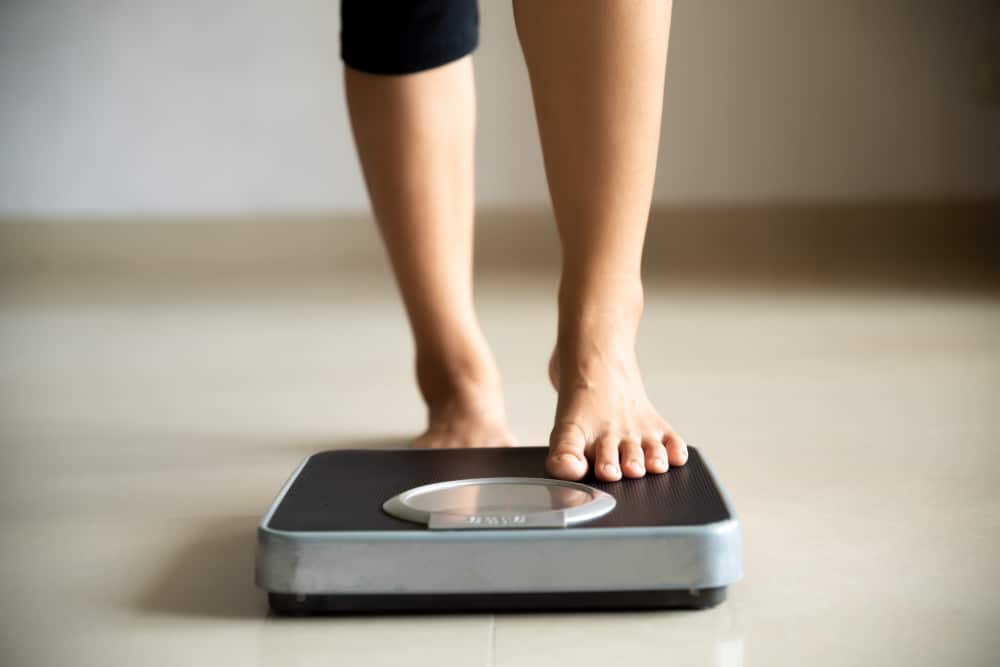
Table of contents
- 5 Common Reasons for Unintentional Weight Gain
- Hormonal Changes
- Medications
- Sleep Deprivation
- Stress and Emotional Eating
- Hidden Calories in Your Diet
- Endnote - Unintentional Weight Gain
5 Common Reasons for Unintentional Weight Gain
When you recognize the most frequent causes, it is much simpler to adapt to the changes and take the required action. The following are the five main reasons for unwanted weight gain.
Hormonal Changes
Hormonal changes directly affect fat storage, hunger, and metabolism. With an imbalance of hormones, it becomes easier to gain weight even without a calorie surplus during PCOS, thyroid issues, and even during menopause. One of the effects of menopause is the natural slowing of metabolism, making it easy to gain weight.
Hypothyroidism, or low levels of the thyroid hormone, has adverse effects on metabolism and brings with it fatigue, which leads to obesity. The same goes for insulin resistance. It makes the metabolism of sugar more difficult, resulting in fat storage.
Medications
As a side effect in the form of hunger changes, water retention, or slower metabolism, some medicines induce weight gain. Some of these drugs are antidepressants, beta-blockers, corticosteroids, and anticonvulsants like gabapentin. Under such medication, you should be aware of whether there will be any other effects, including on your weight, blood sugar level, and cardiovascular system.
While speculating on how to avoid weight gain on gabapentin, for instance, you should identify the best way, such as changing your lifestyle. You should also be better at monitoring your caloric intake and talking to your medical team about the alternatives.
Sleep Deprivation
Lack of sleep reduces leptin levels, the satiety hormone, and increases ghrelin levels, hence enticing you to eat more high-calorie snacks and meals. Eating more food and continuous weight gain without even being aware of it could result from these hormone swings over time.
Tiredness also has a tendency to diminish your exercise drive and has the proclivity to make you more likely to grab for simple, processed foods instead of preparing wholesome meals. Better sleep may result from regularizing bedtime, staying off late-day caffeine, and staying away from electronics at night.
Stress and Emotional Eating
The release of the cortisol hormone, which can cause fat buildup mostly in the abdominal area, is caused by chronic stress. Emotional eating results from stress; food provides comfort and respite from issues. Regrettably, fast food brings about instant weight gain through the excess amount of added sugar and fats.
It's essential to learn how to deal with stress, like meditating or going for walks. Work closely with a counselor who will instruct you in how to avoid triggers. This becomes a long-term approach to avoiding emotional eating.
Hidden Calories in Your Diet
Weight increase can occasionally come from little unnoticed eating patterns. Beverages, including alcoholic drinks, soda, sweet coffee, and flavored tea, increase total calorie intake.
Portion and monitoring control circumvent camouflaged calories. Small habits such as water and healthier drinks consumption over sugar-based drinks, moderate alcohol intake, or eating meals from portion control plates can make a huge difference in the long run. Unlike extreme dieting, these small changes assist in weight maintenance by inducing incremental weight gain without your awareness.
Endnote - Unintentional Weight Gain
Mostly unnoticed lifestyle decisions and health problems can be the main cause of unwanted weight gain. Should these fundamental causes be attributed to hormones, drugs, or actions, targeted interventions can help to control their weight appropriately. Over time, mindfulness, persistence, and little changes to food choices, exercise, rest, and stress can produce excellent outcomes.