

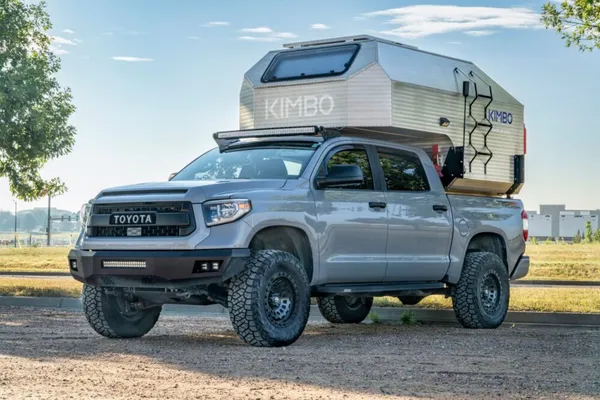
Setting up a four-wheel drive is never a one-size-fits-all process. The way a vehicle is equipped depends heavily on how it will be used, and this is where the choice of 4x4 accessories becomes critical. A touring setup designed for long-distance travel has very different requirements to an off-road-focused build aimed at tackling difficult tracks and obstacles. Understanding these differences helps ensure your vehicle performs safely, comfortably, and reliably in the conditions you plan to face.
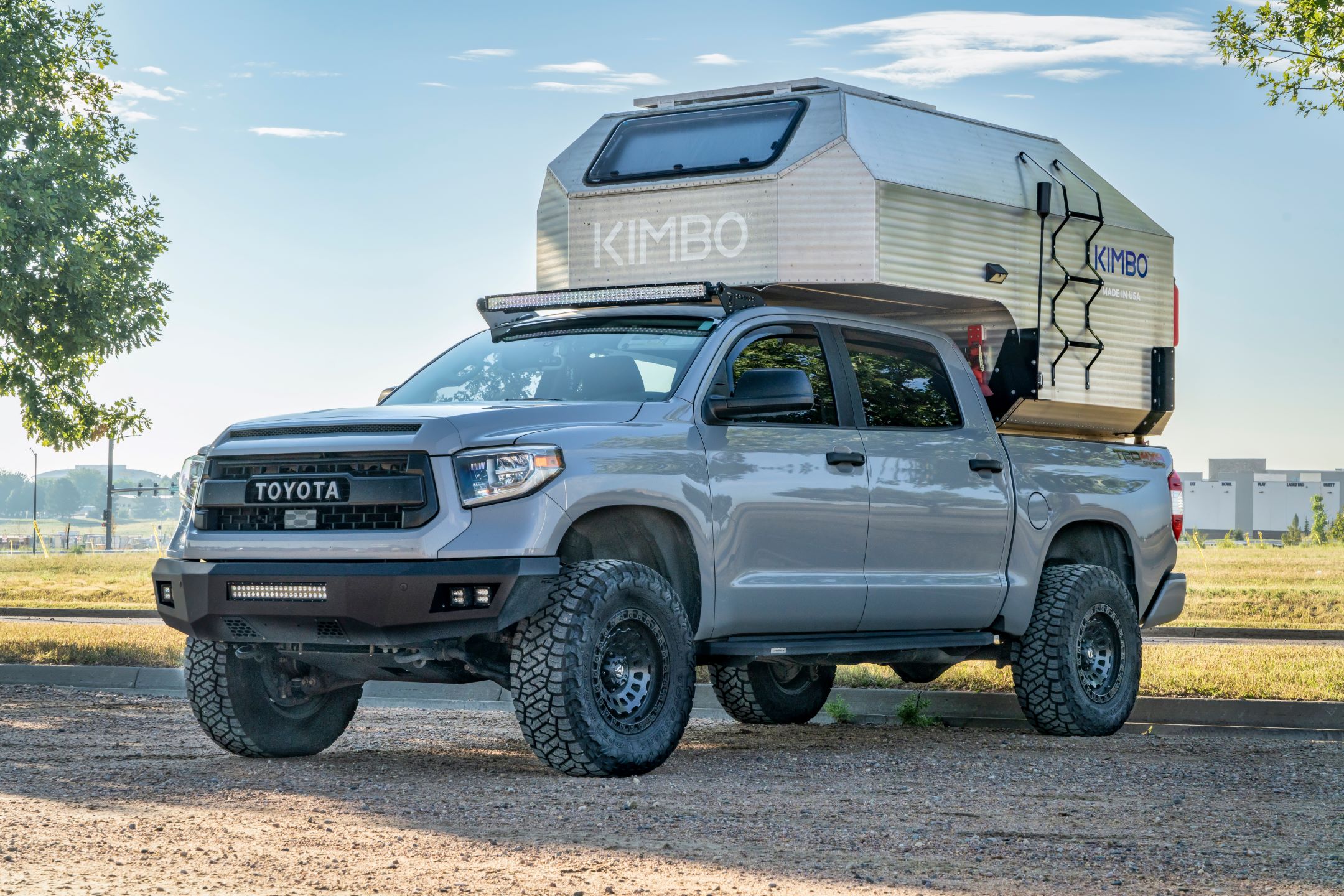
Understanding Touring 4x4 Setups
Touring setups are designed for long trips, often covering thousands of kilometres across highways, gravel roads, and remote areas. Comfort, reliability, and load-carrying capacity are the main priorities.
One of the most important touring 4x4 accessories is a quality suspension upgrade. Touring suspension is typically designed to handle constant loads from camping gear, water, fuel, and recovery equipment while maintaining ride comfort over long distances. Rather than maximum articulation, the focus is on stability and durability.
Storage solutions are another key component of touring setups. Drawer systems, roof racks, and cargo barriers help organise gear and keep weight evenly distributed. Roof racks are often used to carry lighter items such as swags, spare tyres, or recovery boards, while heavier gear is stored low inside the vehicle.
Touring vehicles also benefit from electrical upgrades. Dual battery systems, solar panels, and power management units allow travellers to run fridges, lights, and communication devices without draining the starting battery. These 4x4 accessories are essential for extended stays in remote locations.
Off-Road 4x4 Setups Explained
Off-road setups are built with performance and durability in mind. These vehicles are designed to handle steep climbs, deep ruts, rocky terrain, and challenging obstacles. The emphasis is on strength, clearance, and traction.
Suspension upgrades for off-road use focus on increased articulation and ground clearance. Lift kits, heavy-duty shocks, and reinforced components allow the vehicle to navigate uneven terrain without bottoming out. While comfort is still important, off-road suspension is often firmer to handle impacts and prevent damage.
Tyres are one of the most critical off-road 4x4 accessories. Aggressive all-terrain or mud-terrain tyres provide improved grip in loose, muddy, or rocky conditions. Tyre choice has a significant impact on off-road capability and is often paired with beadlock rims or reinforced sidewalls for added protection.
Protection accessories are also central to off-road builds. Bull bars, rock sliders, skid plates, and underbody protection help shield vital components from damage. These accessories add weight but are essential when tackling technical tracks.
Key Differences Between Touring and Off-Road Builds
While there is some overlap, touring and off-road setups differ in several important ways. Touring vehicles prioritise load management, fuel efficiency, and comfort over long distances. Off-road vehicles prioritise clearance, strength, and traction in short, challenging sections.
Touring 4x4 accessories are often chosen to reduce fatigue and improve convenience, such as upgraded seats, long-range fuel tanks, and navigation systems. Off-road accessories focus more on survivability and performance, including winches, diff locks, and recovery points.
Weight distribution is also handled differently. Touring setups aim for balanced, evenly distributed loads to maintain stability at highway speeds. Off-road setups accept added weight in exchange for protection and capability but must still be carefully managed to avoid overloading.
Can You Combine Touring and Off-Road Accessories?
Many modern 4x4 owners want a vehicle that can do both. Combining touring and off-road 4x4 accessories is possible, but it requires careful planning.
A balanced suspension setup that supports touring loads while offering adequate articulation is a good starting point. All-terrain tyres are often chosen as a compromise, providing reasonable off-road performance without excessive noise or wear on the highway.
Modular accessories are also popular. Removable roof racks, adjustable drawer systems, and detachable awnings allow the vehicle to be adapted for different trips. This flexibility helps owners avoid unnecessary weight when it is not needed.
Choosing Accessories Based on Your Driving Style
The best way to choose 4x4 accessories is to be honest about how you will use your vehicle. Frequent long-distance travellers will benefit more from touring-focused upgrades, while weekend off-road enthusiasts may prioritise clearance and protection.
It is also important to consider legal requirements and vehicle load limits. Over-accessorising can negatively impact handling, braking, and fuel consumption. Quality installation and professional advice can help ensure safety and compliance.
Making the Right Setup Choice
Whether you are building a touring rig or an off-road weapon, understanding the purpose of different 4x4 accessories is essential. By tailoring your setup to your driving style and travel goals, you can create a vehicle that performs reliably, handles safely, and enhances every adventure.